





Understanding the 30-Day Visa-Free Rule
In a move to clarify its entry policies, the Thai cabinet on July 14, 2026, confirmed that Indian passport holders will continue to receive visa-free entry. However, the permitted stay has been adjusted. Previously, Indians were eligible for a 60-day
visa-exempt stay, but this has now been standardized to 30 days. This decision was made to align with the typical travel patterns of Indian tourists, who on average visit for about a week. The change also addresses confusion that arose from an earlier proposal to end the visa-free scheme, which had led to a drop in arrivals from India, a key tourism market for Thailand. This 30-day visa-free entry replaces the previous visa-on-arrival option for Indians, streamlining the process at the border.
Mandatory Digital Arrival Card
One of the most critical steps for any foreign national entering Thailand is completing the Thailand Digital Arrival Card (TDAC). This online form has replaced the paper-based TM6 arrival/departure card and is mandatory for all visitors. You must complete the TDAC via the official immigration portal within 72 hours before your flight. The process is free; be wary of unofficial websites that charge a fee. To complete the form, you'll need your passport details, flight information, and the address of your accommodation in Thailand. Once submitted, you will receive a QR code, which you must present to the immigration officer upon arrival. This digital system is designed to speed up immigration clearance.
Key Documents for Border Checks
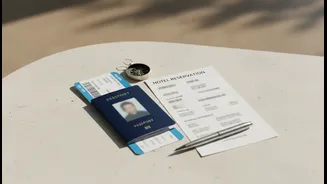
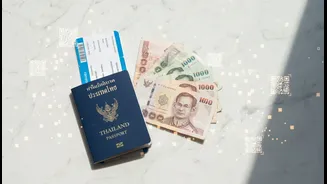
While the visa-free rule simplifies entry, immigration officers can still request supporting documents at their discretion. Being prepared is key to a smooth arrival. Ensure your passport is valid for at least six months from your date of entry. You must also have a confirmed return or onward flight ticket to prove you intend to leave within the 30-day period. Additionally, be ready to show proof of accommodation, such as hotel bookings for your stay. Immigration may also conduct random checks for proof of sufficient funds. The recommended amount is at least 10,000 Thai Baht per person or 20,000 Thai Baht per family. While not always checked, having these documents readily available can prevent unnecessary delays or complications at the border.
The Immigration Process on Arrival
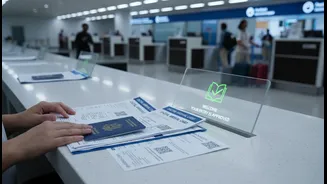
Upon landing in Thailand, you will proceed to the immigration counters. Have your passport and your TDAC QR code ready to present to the officer. The officer will inspect your documents, scan your QR code, and, if everything is in order, place an entry stamp in your passport. This stamp will clearly state the date you are "permitted to stay until". It is crucial to check this date before leaving the counter to ensure it reflects the correct 30-day period. An overstay, even by a single day, can result in fines and, in more serious cases, arrest, detention, and a ban from re-entering Thailand. Carrying a physical or digital copy of your passport's identification page and the entry stamp is also recommended while travelling within the country.
Need More Than 30 Days?
If your travel plans require a stay longer than 30 days, you have options. The 30-day visa-exempt entry can be extended once for an additional 30 days. This extension must be applied for at a local immigration office in Thailand before your initial 30-day permission expires. The standard fee for this extension is 1,900 Thai Baht. It's advisable to apply for the extension about a week before your current stay permit ends. For those planning much longer stays, such as for remote work, retirement, or other purposes, it is best to apply for the appropriate long-term visa, like the Destination Thailand Visa (DTV) or a Non-Immigrant visa, from a Thai embassy or consulate before your trip.