


First, What Are Proteins and Amino Acids?
Think of protein as a vital nutrient responsible for building and repairing virtually everything in your body, from muscle tissue to enzymes and hormones. Proteins themselves are made of smaller units called amino acids. Our bodies use 20 different amino acids,
but nine of them are considered "essential" because we cannot produce them on our own. We must get these nine essential amino acids from the food we eat, making them a crucial focus of a healthy diet.
The Myth of 'Incomplete' Plant Protein
You may have heard that animal products are "complete" proteins while plant sources are "incomplete." A complete protein is one that contains all nine essential amino acids in sufficient quantities. While it's true that animal proteins like meat and eggs fit this description, the term "incomplete" for plant foods can be misleading. Most plant-based foods actually contain all nine essential amino acids, but they are often low in one or two, making that amino acid a "limiting factor." This doesn't make them inferior; it just means we need to be a little strategic.
The Case of Lentils and Rice
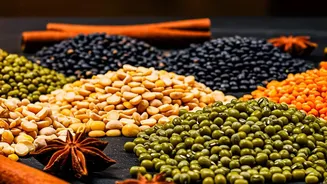
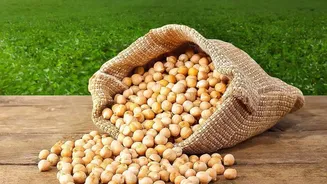
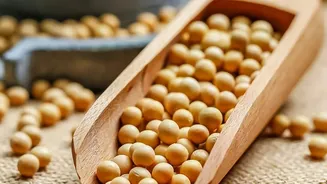
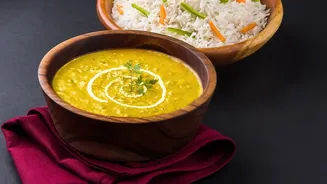
This brings us to our star pairing. Lentils, like most legumes, are nutritional powerhouses packed with protein and fiber. However, they are relatively low in two sulfur-containing essential amino acids: methionine and cysteine. On the other hand, grains like rice are often low in a different essential amino acid: lysine. Rice, however, contains the methionine and cysteine that lentils are missing. You can probably see where this is going.
Nutritional Synergy on a Plate
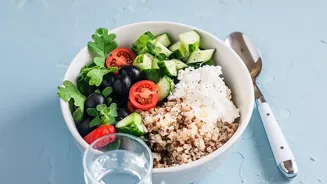
When you eat lentils and rice together, their amino acid profiles complement each other perfectly. The abundant lysine in the lentils makes up for the shortage in the rice, and the methionine in the rice fills the gap left by the lentils. The result is a meal that provides your body with all nine essential amino acids in the right proportions, creating a high-quality, complete protein source. This concept, known as protein complementation, is the reason why combinations like dal-chawal have been a cornerstone of Indian cuisine for centuries. It’s ancient wisdom backed by modern science.
Do They Have to Be Eaten Together?
In the past, nutritionists believed you had to eat complementary proteins in the very same meal for the benefits to count. However, current understanding shows that this isn't strictly necessary. As long as you consume a variety of plant protein sources throughout the day, your body can pool the amino acids to get what it needs. So, if you have dal for lunch and roti or rice for dinner, you're still achieving that powerful protein synergy. Eating them together is just a simple and delicious way to ensure it happens.
Other Powerful Protein Pairings
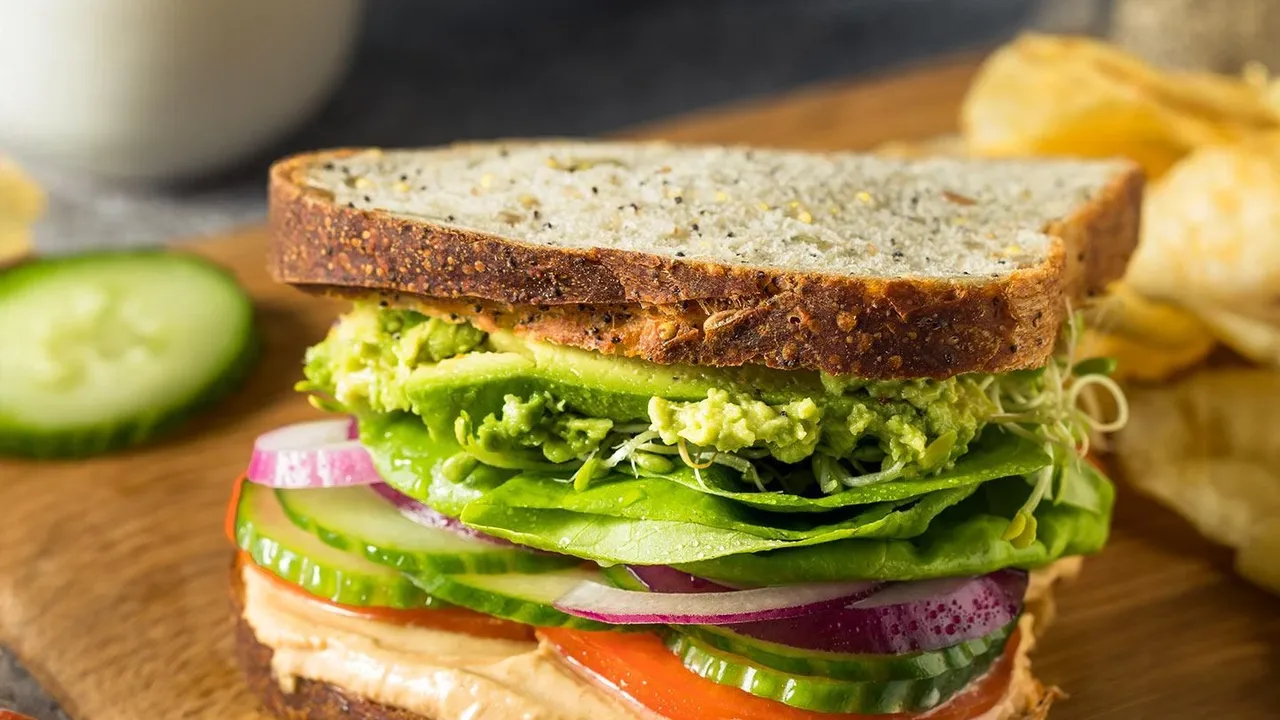
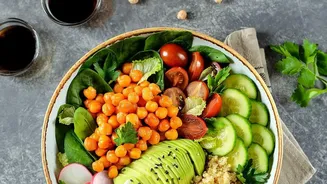
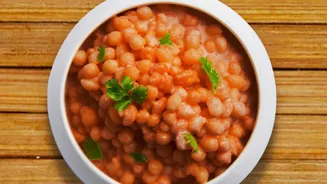
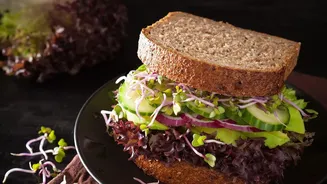
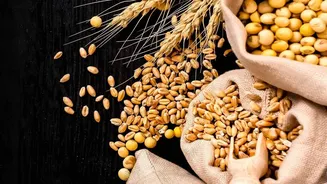
The lentils and rice principle applies to many other food combinations that are staples in cuisines around the world. By mixing and matching legumes, grains, nuts, and seeds, you can easily meet your protein needs on a plant-based diet. Some other classic examples include: Beans and rice (as seen in rajma-chawal).; Hummus (chickpeas) with pita bread (wheat).; A peanut butter sandwich on whole-wheat bread.; Roti (wheat) with any dal.