




The Calorie and Sugar Question
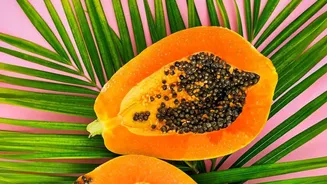
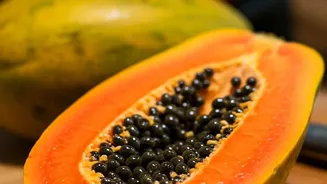
When managing weight or sugar intake, the numbers matter. A 100-gram serving of papaya contains roughly 43 calories and about 7.8 grams of sugar. In contrast, the same amount of mango has around 60 calories and approximately 13.7 grams of sugar. For those
seeking a lower-calorie, lower-sugar fruit, papaya has a clear advantage. Its higher water content, at around 88%, also makes it incredibly hydrating. Mango is sweeter and more energy-dense, making it a great natural energy booster, but something to enjoy in moderation if you're tracking sugar closely.
A Showdown of Vitamins
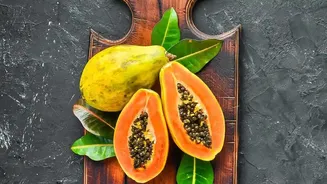
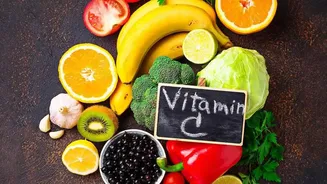
Both fruits are vitamin powerhouses, but they shine in different areas. Papaya is a vitamin C champion, with a 100-gram serving providing over 100% of the daily recommended intake. This makes it an excellent choice for boosting your immune system. Mango also offers a significant amount of vitamin C, but its real strength lies in vitamin A. Mango provides substantially more vitamin A, mostly in the form of beta-carotene, which is crucial for eye health, skin integrity, and immune function. Mango also tends to have higher levels of vitamin E, vitamin K, and folate.
Fiber and Digestive Health
Good digestion is fundamental to overall wellness, and both fruits can help. Mango and papaya contain similar amounts of dietary fiber, with roughly 1.6 to 1.7 grams per 100 grams. Fiber is essential for maintaining regular bowel movements and supporting a healthy gut microbiome. However, papaya has a secret weapon: an enzyme called papain. Papain is a proteolytic enzyme, meaning it helps break down proteins, which can ease digestion, reduce bloating, and soothe an upset stomach. Raw papaya is particularly noted for its digestive benefits due to this enzyme. Mango also contains enzymes, like amylase, that aid in the digestion of carbohydrates.
Unique Antioxidant Compounds
Beyond the standard vitamins, both fruits contain unique compounds with powerful health benefits. Papaya is rich in antioxidants like lycopene, which is also found in tomatoes and is studied for its potential to reduce the risk of certain chronic diseases. Mango's standout compound is mangiferin, a potent polyphenol found in the fruit, peel, and leaves. Research suggests mangiferin has strong antioxidant, anti-inflammatory, and even antiviral properties. It has been studied for its potential role in protecting against heart disease and other conditions.
Incorporating Both into Your Diet
The best part about mango and papaya is how easy they are to enjoy. Their differences make them complementary rather than competitive. You can start your day with a papaya smoothie to aid digestion and get a massive vitamin C boost. Add chunks of papaya to yogurt or have it as a refreshing mid-day snack. Because it is lower in sugar, it can be a go-to fruit for daily consumption. Reserve mangoes for when you crave a sweeter, more decadent treat. They are perfect in desserts, lassis, or sliced fresh. Use mango's natural sweetness in a salsa to pair with grilled fish or chicken. Since mango is more seasonal, enjoying it as a special highlight when it's at its peak makes it even more of a treat.