







The Social Media Gold Rush
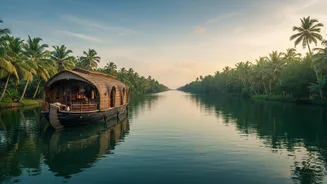
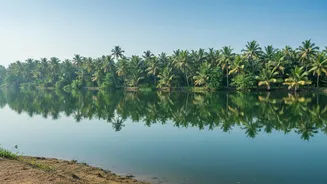
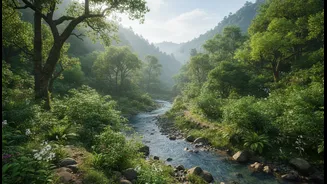
It starts with a single, breathtaking photo. A hidden meadow in Uttarakhand, a serene backwater in Kerala, or a colourful lane in Fontainhas, Goa. The post goes viral, amplified by influencers and travel accounts. Suddenly, a place known only to locals
becomes a trending 'hidden gem'. Studies show that a vast majority of young Indian travellers, particularly those aged 18-35, turn to platforms like Instagram and YouTube for travel inspiration. This digital word-of-mouth can transform a location overnight, as the hunt for 'Instagrammable' experiences drives tourist footfall to previously untouched areas. The desire isn't just to see a place, but to capture and recreate the exact same photo that sparked the trend, turning natural landscapes into crowded photo queues.
When Paradise Gets Crowded
This sudden surge in popularity, often called overtourism, comes at a significant cost. Hill stations like Shimla, Manali, and Kasol are now grappling with severe environmental and infrastructural strain. Unregulated tourism leads to mountains of plastic waste, traffic congestion that chokes narrow mountain roads, and critical water shortages. Fragile ecosystems are trampled, wildlife is disturbed, and the very peace that made these places special vanishes. For local communities, the impact is a double-edged sword. While tourism can bring income, it often disrupts their way of life, strains resources, and can lead to a loss of cultural authenticity as the area commercialises to cater to a checklist-driven tourist mindset.
The Problem with the Pin
The core of the issue often lies in a simple, seemingly harmless feature: the geotag. By pinning the exact coordinates of a delicate location, users create a digital treasure map for thousands to follow, without context or guidance on how to visit responsibly. This has led to a counter-movement of 'digital silence', where ethical travellers and bloggers deliberately avoid geotagging specific spots to protect them. The goal is not to gatekeep beauty, but to encourage genuine exploration and prevent the kind of overwhelming traffic that fragile places simply cannot handle. A single viral post can accelerate littering, put pressure on ecosystems, and fundamentally alter a neighbourhood forever.
Shifting from Location to Experience
The solution isn't to stop sharing our travel stories, but to change how we tell them. Instead of focusing solely on the 'where', responsible sharing emphasizes the 'how' and 'why'. It's about describing the feeling of the place, the interactions with local people, and the beauty of the landscape without necessarily providing a GPS coordinate. This encourages others to find their own hidden spots, spreading the tourist load more evenly. Organizations like the Responsible Tourism Society of India are actively promoting practices that prioritize sustainability, community benefit, and environmental conservation. The future of travel lies in this shift—from consuming destinations to connecting with them.
How to Be a Mindful Explorer
Preserving India's hidden gems is a collective responsibility. As travellers, we can make conscious choices that have a significant impact. Consider sharing the general region or state instead of the exact waterfall or trail. Focus your content on the cultural experience, the local food, or the feeling of the journey. Support homestays and local businesses that are invested in the community's well-being and practice sustainability. Buy authentic, handmade souvenirs to help keep traditional crafts alive. And most importantly, always follow the 'leave no trace' principle: take nothing but pictures, leave nothing but footprints. By embracing a more thoughtful approach, we can ensure that India's most beautiful and secluded places remain that way for generations to come.