
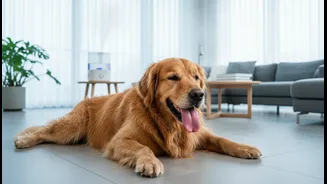
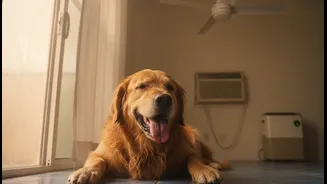
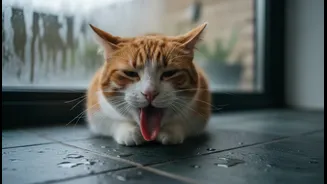


The Humidity Danger Explained
We often focus on temperature, but high humidity is a unique danger for pets. Dogs and cats cool down primarily by panting, which allows moisture to evaporate from their lungs and tongue. When the air is already saturated with moisture, this evaporation
process slows down dramatically. This means that even on a day that feels moderately warm, high humidity can prevent your pet from cooling itself effectively. Their internal body temperature can rise quickly, leading to heat exhaustion and potentially fatal heatstroke, even indoors. Pets with flat faces, like Pugs and Persian cats, as well as senior, overweight, or very young animals, are at an even greater risk.
First: Check Your Pet's Condition
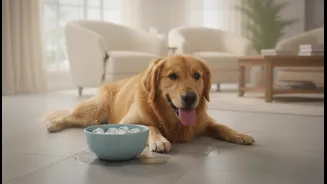
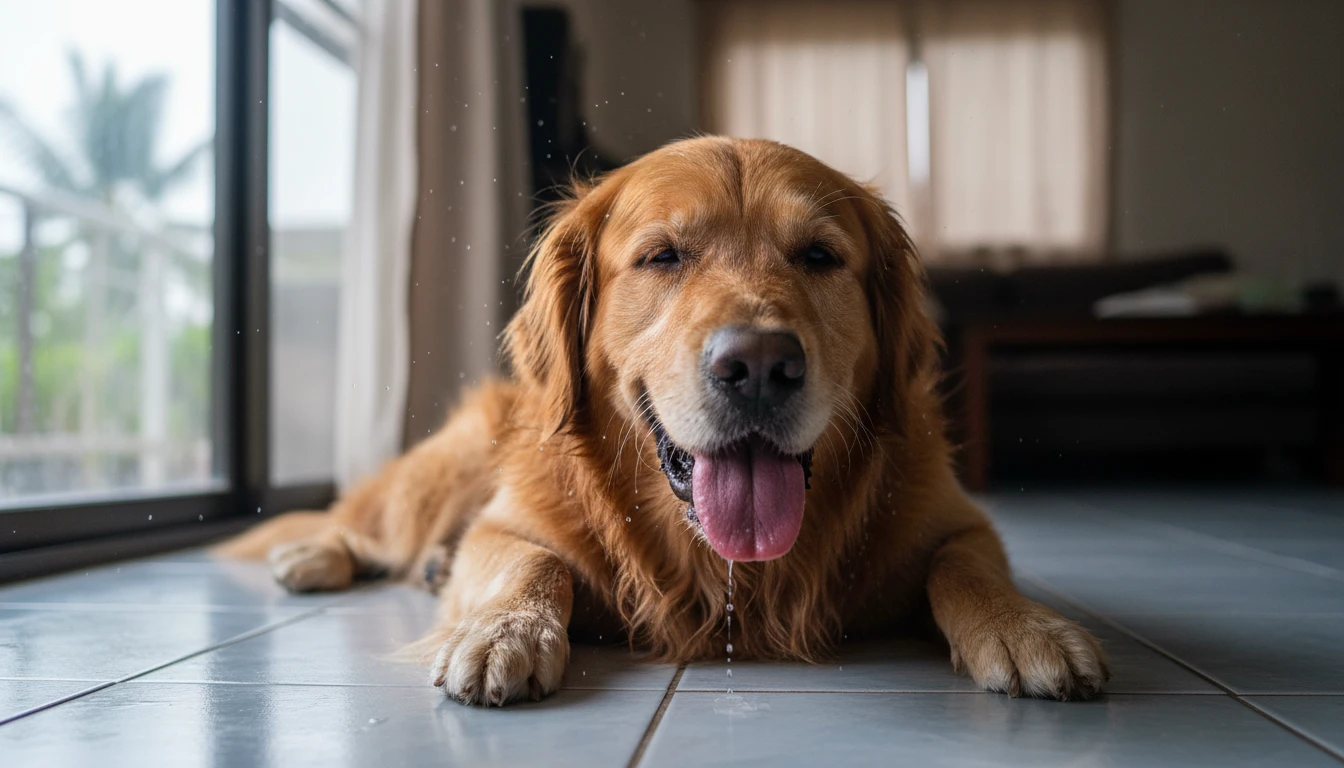
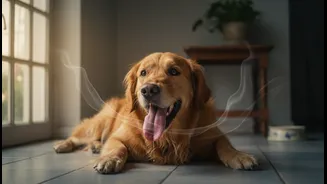
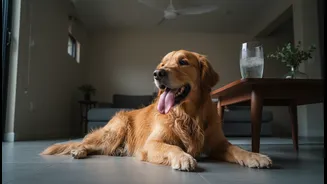
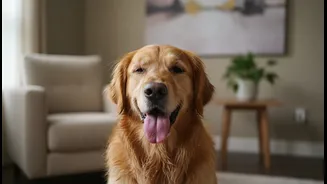
Before you do anything else, you need to assess your pet. Look for the key signs of overheating, which can range from subtle to severe. Early signs include excessive or heavy panting that doesn't stop, drooling more than usual, restlessness, and seeking out cool spots on the floor. As the situation worsens, you might notice their gums and tongue turning bright red. More severe symptoms are a cause for immediate alarm and include weakness or stumbling, confusion, vomiting, diarrhoea, and in the worst cases, collapse or seizures. Cats are masters at hiding illness, so any panting from a cat is a major red flag and should be treated as an emergency.
Next: Your Immediate Action Checklist
If you see any of the signs above, act immediately. Your goal is to start cooling your pet safely while preparing to contact a veterinarian. First, move your pet out of the sun and into the coolest, best-ventilated area of your home, preferably a room with air conditioning or a fan. Next, use cool—not ice-cold—water. Soaking their paws and applying cool, wet towels to their belly, neck, and groin area is effective. Do not submerge them in ice water, as this can cause shock and make the situation worse by constricting blood vessels, which traps heat. Offer them small sips of cool water, but do not force them to drink. Pointing a fan at your damp pet can help increase evaporative cooling.
Then: Check Your Home's Environment
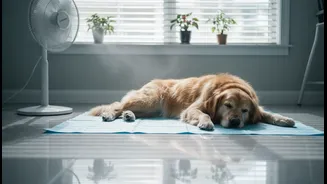
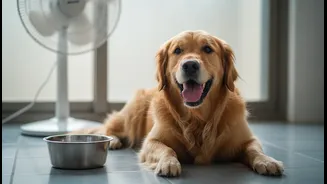
While you are helping your pet, quickly assess the environment that contributed to the problem. Is the room stuffy? Is there enough air circulation? During India's humid seasons, simply opening a window may not be enough and can sometimes make things worse. Check that fans are on and creating a breeze across the floor where your pet lies. If you have an air conditioner, ensure it is set to a reasonable temperature, ideally between 20-25°C. Tiled or stone floors are much cooler than carpets or rugs, so ensure your pet has access to these surfaces. Consider investing in a cooling mat, which can provide a consistently cool surface without electricity. Most importantly, ensure multiple bowls of fresh, clean water are always available in different spots around the house.
Finally: Check Your Routines and Prevent Future Issues
Prevention is the most important step. Adjust your daily habits during hot and humid months. Avoid intense indoor play sessions during the hottest part of the day. Ensure your pet is well-groomed, as matted fur can trap heat, but avoid shaving double-coated breeds, as their coat can provide insulation from heat. Be mindful of enclosed spaces like balconies or sunrooms that can heat up quickly. For high-risk breeds, it's crucial to maintain a cool indoor environment consistently. Even after your pet seems to have recovered from an overheating episode, it is vital to take them to a vet. Heatstroke can cause internal organ damage that may not be immediately obvious. A professional check-up is the only way to be sure they are truly safe and well.