

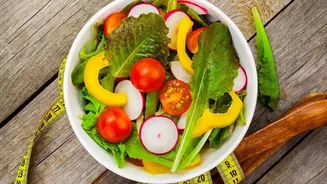

The festive season brings joy, family, and an abundance of delicious food. But navigating the endless feasts without feeling guilty or unhealthy can be a challenge. The secret isn't about avoiding your favourite treats, but learning a smarter approach.
The Power of When You Eat
We often focus on what we eat, but when we eat can be just as crucial for our health. This is the core idea behind chrononutrition, a field that studies the interaction between our body's internal clock, or circadian rhythm, and our meals. Our metabolism isn't static; it's more active during daylight hours and slows down as we approach the evening. Eating large, heavy meals late at night can disrupt this natural rhythm, leading to poorer metabolic health, higher blood sugar spikes, and increased fat storage. During festival season, dinners and social gatherings often run late. While a single late meal won't derail your health, consistently eating this way can make a difference. Whenever possible, try to have your main festive meal earlier in the evening. This gives your body ample time to digest before you sleep, which can improve both your sleep quality and how your body processes the food.
Mastering the Art of Portion Control
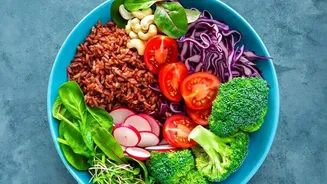
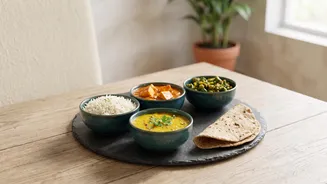
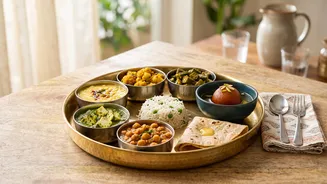
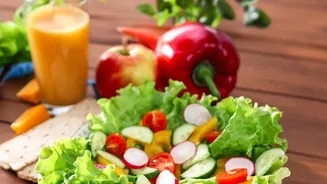
Festive buffets are a test of willpower. With so many tempting dishes, it's easy to overfill your plate. This is where portion control becomes your most valuable tool. Instead of trying to sample everything, which often leads to overeating, be selective. Prioritise the dishes you truly love and look forward to all year. A simple trick is to use a smaller plate; this visual cue can help you automatically take less food. Another effective strategy is the 'plate method'. Aim to fill half of your plate with vegetables or salad first. This high-fibre base provides volume and helps you feel full with fewer calories. Dedicate one-quarter of your plate to a protein source like dal, paneer, or chicken, which enhances satiety. The final quarter can be for carbohydrates, including your favourite festive treats like biryani or special breads.
Plan Ahead Before the Party
One of the worst things you can do is arrive at a celebration ravenously hungry. Skipping meals earlier in the day to 'save calories' for the party almost always backfires. It often leads to overeating, bloating, and consuming far more calories than you intended. A much smarter strategy is to have a small, nutritious snack about an hour before you leave home. Opt for something rich in protein and fibre, like a handful of nuts, a bowl of yoghurt, or a piece of fruit. This simple act helps curb your appetite, allowing you to make more mindful and controlled choices when faced with a feast. Staying hydrated throughout the day is also key. Often, our bodies mistake thirst for hunger, so drinking plenty of water can prevent unnecessary snacking.
Navigating Sweets and Snacks
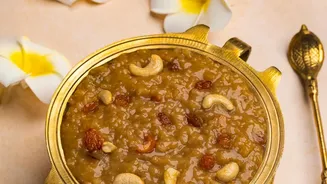
Festivals in India are synonymous with mithai and fried snacks. Depriving yourself completely can lead to feelings of resentment and eventual overindulgence. A more sustainable approach is mindful enjoyment. Instead of mindless sampling, follow a 'one-sweet rule' by picking your absolute favourite dessert and savouring it slowly. When it comes to snacks, be conscious of fried items. If baked or roasted alternatives are available, opt for those to significantly reduce your oil intake. Sharing desserts or taking smaller servings allows you to partake in the joy without going overboard. The goal is to relish the special treats of the season without guilt, and portioning is the key to achieving that balance.