



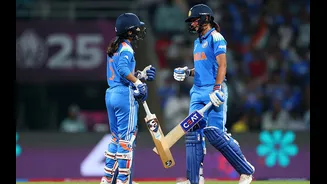


The Undefeated Run
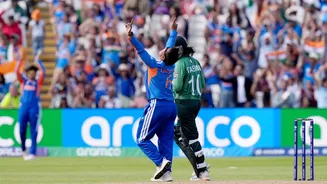
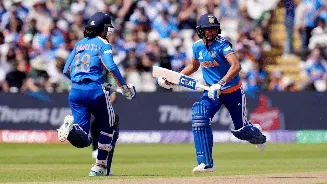
Before the final heartbreak, there was a dream run. The Harmanpreet Kaur-led side entered the tournament as contenders but played like champions from the very first ball. They kicked off their campaign against the mighty hosts and defending champions,
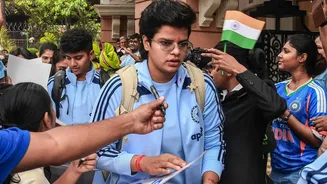
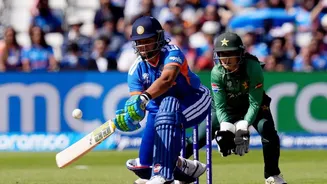
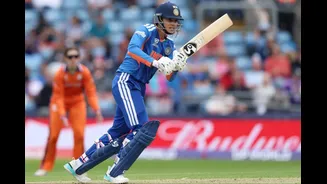
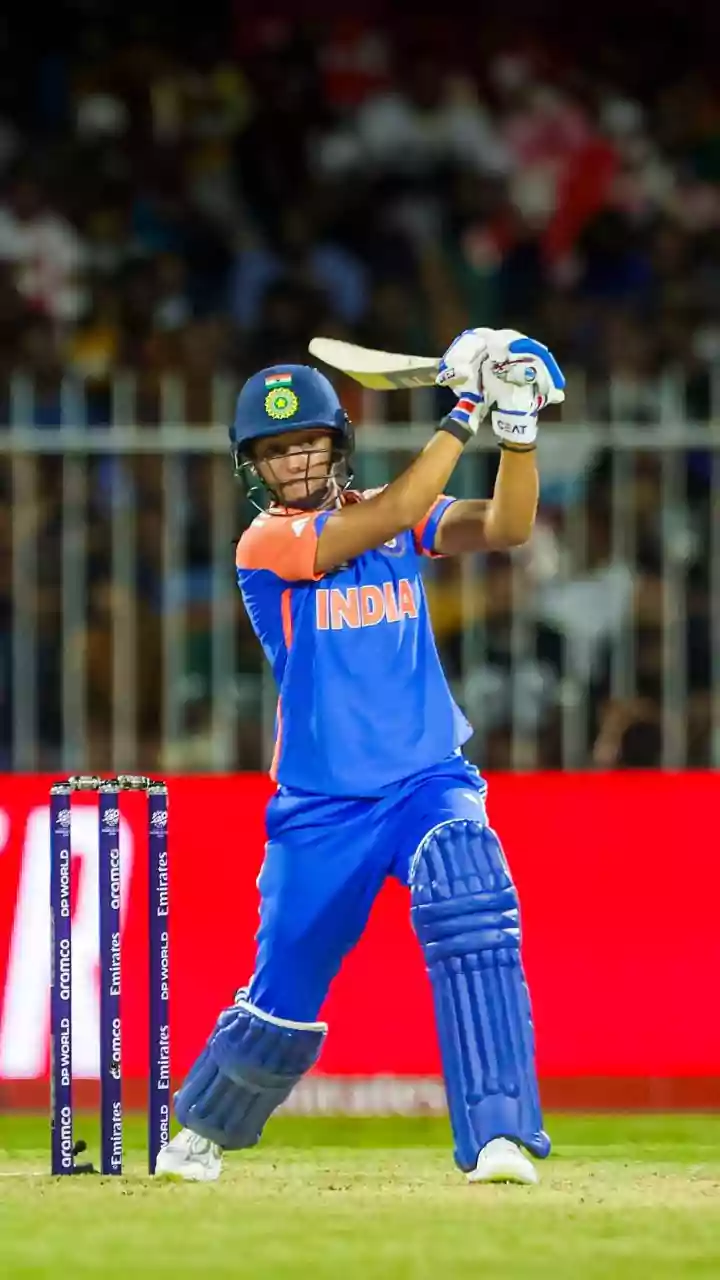
Australia. In a stunning display, leg-spinner Poonam Yadav spun a web around the Aussie batters, her four-wicket haul scripting a memorable 17-run victory. This wasn't just a win; it was a statement. The momentum carried them through the group stage. Bangladesh, New Zealand, and Sri Lanka were all dispatched with a combination of fearless batting from 16-year-old prodigy Shafali Verma at the top and a disciplined, varied bowling attack. Verma, with her explosive starts, became the face of India’s campaign, while the spinners, led by Yadav, consistently choked oppositions.
A Fortuitous Path to the Final
India topped Group A, remaining the only unbeaten team in the tournament. Their semifinal was scheduled against England in Sydney. However, destiny, or rather the weather, had other plans. Persistent rain washed out the entire match without a single ball being bowled. According to tournament rules, the team with the better record in the group stage would advance in case of a washout. Having won all four of their group matches, India progressed to their first-ever Women's T20 World Cup final. It felt pre-ordained, a strange and anti-climactic way to reach the summit clash, yet it only amplified the feeling that this was finally India's year.
The Grandest Stage, The Greatest Pressure
The final was more than just a cricket match. It was a global event, a celebration of women's sport held on International Women's Day at one of cricket's most iconic venues. The atmosphere was electric. But for a young Indian team, most of whom had never experienced such a stage, the sheer scale of the occasion was immense. They were up against Australia—a team they had beaten, but a team that knew how to win finals, playing in front of their home crowd. The pressure was palpable. For Australia, it was a chance at redemption; for India, it was a tryst with destiny.
The Australian Onslaught
Australian captain Meg Lanning won the toss and chose to bat, a decision that would prove decisive. Openers Alyssa Healy and Beth Mooney walked out with clear intent. Healy, in particular, was in a destructive mood. She launched a breathtaking assault on the Indian bowlers, who had been so dominant throughout the tournament. The first sign of trouble for India came when Shafali Verma dropped a straightforward catch off Healy in the very first over. It was a moment that shifted the momentum irrevocably. Healy went on to smash 75 off just 39 balls, while Mooney anchored the innings with an unbeaten 78. They propelled Australia to a mammoth 184/4, the highest-ever total in a Women's T20 World Cup final. The chase was daunting; the Indian shoulders had already begun to droop.
A Chase That Never Took Off
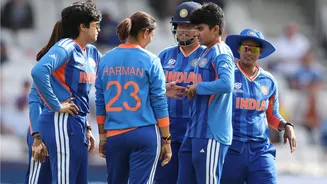
All of India's hopes rested on the young shoulders of Shafali Verma to provide another explosive start. It wasn't to be. She was dismissed for just two runs on the third ball of the innings, caught behind off Megan Schutt. The life was sucked out of the Indian chase before it had even begun. The experienced middle order, which had been under-tested through the tournament, crumbled under the scoreboard pressure. Smriti Mandhana, Jemimah Rodrigues, and Harmanpreet Kaur all fell cheaply. From 30/4, there was no way back. India was eventually bundled out for just 99, slumping to a crushing 85-run defeat. The dream had turned into a nightmare in the space of three hours.