








From In-Store Swatch to Selfie Scan
Remember the days of wandering into a department store, swatching endless stripes of foundation on your forearm, and still walking out with a shade that’s slightly too orange or ashy? That ritual is rapidly being replaced by a much more futuristic one:
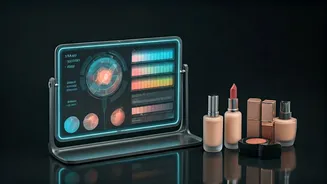
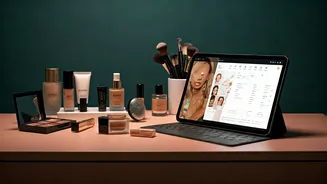
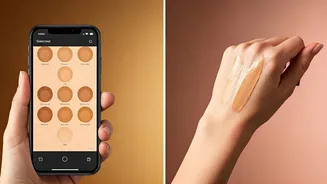
the selfie scan. The traditional method of finding foundation was a pain point for consumers and a source of costly product returns for retailers. [2] Now, a new wave of online skin matching tools promises to eliminate the guesswork. Brands like L'Oréal, Maybelline, and platforms such as Myntra are integrating Augmented Reality (AR) and Artificial Intelligence (AI) directly into their websites and apps. [7, 14] Instead of a physical swatch, you now use your phone's camera for a virtual try-on, allowing technology to analyse your face and recommend your 'perfect' match in seconds. [9]
How the Digital Magic Works
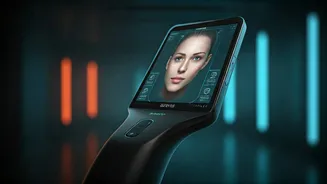
So what’s happening behind the screen when you're asked to scan your face? It's a combination of sophisticated technologies. First, computer vision algorithms map your face, often using multi-spectral imaging to see details the naked eye can't, like subsurface pigmentation or texture. [5] Then, AI models, which have been trained on vast datasets containing thousands of diverse skin tones, get to work. [3] They analyse not just your overall skin colour but also your undertones (cool, warm, or neutral), which are crucial for a perfect match. [2] Some tools use a simple quiz about your skin concerns, while more advanced ones use your phone’s camera to analyse your skin in real-time, claiming to account for lighting conditions to provide an accurate recommendation. [4, 6] Companies like ModiFace and Perfect Corp are major players behind the enterprise technology powering many of these virtual try-on features for top brands. [2, 7]
The Real Hook: It’s More Than Just a Match
While the promise of a perfect shade is the initial draw, the term 'hook' in the headline is key. This technology is a powerful business tool. For brands, it's not just about selling one bottle of foundation; it's about engagement, data, and building a long-term relationship. [18] These tools dramatically increase the time you spend on a brand’s app or website. Myntra, for instance, reported a 2X jump in conversions for products using its virtual try-on feature. [7] By offering a personalized analysis, brands gather valuable data on your skin type, concerns, and preferences. [6, 24] This allows them to create hyper-personalized marketing, suggesting not just foundation but a whole routine of cleansers, serums, and concealers tailored just for you. [12] This feeling of being understood and catered to builds significant brand loyalty. [23]
The Imperfect Algorithm: Can You Trust It?
Despite the impressive technology, online skin matching is far from foolproof. The biggest challenge is variability. The quality of your phone's camera, the angle at which you hold it, and, most importantly, your lighting can drastically alter the results. [10, 13] A selfie taken in the warm glow of a lamp will yield a very different recommendation than one taken in cool, natural daylight. [8] Many users on forums like Reddit report getting wildly different shade suggestions from the same tool on different days or across different brand websites. [16] While the technology is particularly lauded for its potential to improve inclusivity by helping brands cater to a wider range of skin tones, its accuracy is still dependent on the diversity of the data it was trained on. [2, 3] If the training data is lacking, the recommendations can fail, especially for less common undertones.
The Smart Consumer’s Guide
So, how should you approach this new technology? Think of it as a highly sophisticated starting point, not the final word. To get the best results, always use the tool in natural daylight, near a window, with a clean camera lens and no existing makeup. [8] Don't rely on a single brand's tool; cross-reference your results using universal platforms like Findation.com, which matches shades across different brands based on a product you already use. [8] Most importantly, use these tools to create a shortlist of two or three potential shades. Then, look for real-world swatches from reviewers or influencers with a similar skin tone. Whenever possible, take advantage of samples or mini sizes before committing to a full-size product. The technology is a guide, but your own judgment remains your best asset.