


Why the Monsoon Changes the Rules
We've all done it: left a pot of dal or a bowl of sabzi on the counter to cool before putting it in the fridge. In dry weather, this might be fine. But during the monsoon, high humidity and warm ambient temperatures create an ideal environment for bacteria
to thrive. The air is heavy with moisture, which helps harmful microbes multiply at an alarming rate on the surface of your food. This combination significantly shortens the window during which cooked food is safe to eat. Bacteria grow fastest in the 'Danger Zone', a temperature range between 5°C and 60°C. Leaving food out on a warm, humid day keeps it in this zone for longer, increasing the risk of food poisoning.
The Two-Hour Rule and Its Monsoon Exception
Most international food safety agencies, including the FSSAI in India, recommend the 'Two-Hour Rule'. This guideline states that perishable food should not be left at room temperature for more than two hours. However, this rule comes with a critical exception: if the ambient temperature is above 32°C (90°F), the window shrinks to just one hour. During the Indian monsoon, when temperatures often hover in this range along with high humidity, it is much safer to adopt this 'One-Hour Rule' as a standard practice for all cooked leftovers. This simple shift can make a huge difference in preventing the growth of illness-causing bacteria.
Special Care for High-Risk Foods
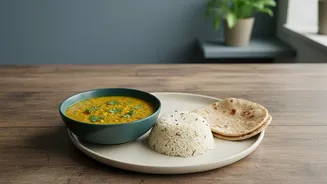
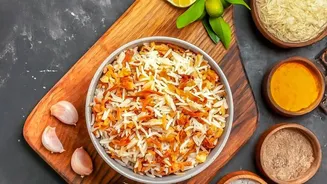
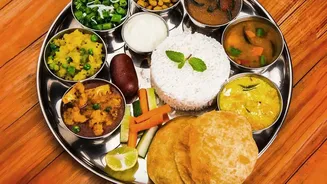
Not all foods are created equal when it comes to spoilage. Some, especially staples of Indian cuisine, are particularly high-risk during the monsoon. Cooked rice is a major culprit; it can harbour a bacterium called Bacillus cereus, which produces toxins that are not destroyed by reheating. For this reason, cooked rice should be refrigerated within an hour and consumed within 24 hours. Other high-risk foods include lentil-based dishes (dals), curries made with coconut or dairy (like paneer), meat, poultry, and seafood preparations. These protein- and moisture-rich dishes are magnets for bacteria and require prompt and proper refrigeration.
The Right Way to Store and Cool
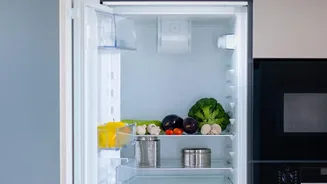
Simply putting food in the fridge isn't enough; how you do it matters. Never place a large, steaming hot pot directly into the refrigerator. This can raise the internal temperature of the fridge, putting other stored items at risk and forcing the appliance to work overtime. Instead, cool food quickly. Once it stops steaming, divide large quantities into smaller, shallow, airtight containers. This increases the surface area and allows the food to cool down much faster, moving it through the 'Danger Zone' quickly. Spreading rice on a plate to cool for a few minutes before packing it is another effective technique. Always use clean, airtight containers to prevent cross-contamination.
Reheating for Maximum Safety
When it's time to eat your leftovers, reheating them properly is your final line of defence. While some foods can be eaten cold, reheating Indian dishes like curries and rice is recommended to kill any bacteria that might have developed during storage. Make sure to reheat food until it is steaming hot throughout, reaching a temperature of at least 74°C (165°F). Avoid reheating the same batch of food multiple times. Instead, only take out and reheat the portion you plan to eat. If refrigerated leftovers have been stored for more than two to three days, or if you're ever in doubt about their freshness—judging by smell, texture, or colour—it is always safest to discard them.