




The Double-Edged Sword of Monsoon Travel
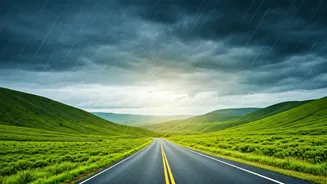
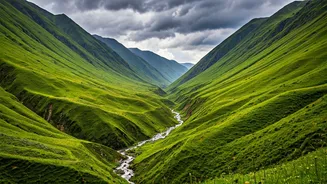
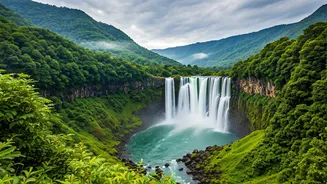
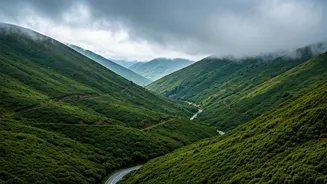
The monsoon season, typically from June to September, transforms India. Parched landscapes turn into verdant paradises, waterfalls cascade with full force, and the air becomes clean and fresh. For travellers, this means fewer crowds, off-season discounts,
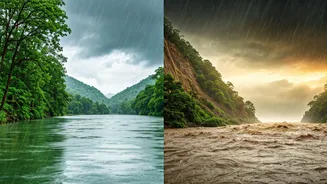
and a chance to see nature at its most dramatic. [15] However, this beauty comes with inherent risks. Heavy rains can trigger landslides, flash floods, and widespread travel disruptions, turning a dream holiday into a nightmare. [16] The key isn't to avoid monsoon travel altogether, but to choose your destination with care and knowledge.
Destinations That Shine in the Rain
Certain regions of India become particularly enchanting and remain relatively safe during the monsoon. These destinations offer the beauty of the rains without the extreme hazards.
Rajasthan: While known as a desert state, places like Udaipur, Bundi, and Mount Abu receive just enough rainfall to cool the climate and fill the lakes, creating a romantic, crowd-free atmosphere. [11, 18] Mount Abu, the state's only hill station, becomes a green haven. [23]
The Deccan Plateau: Regions in the rain shadow of the Western Ghats, like Hampi in Karnataka or Orchha and Mandu in Madhya Pradesh, are excellent choices. [12, 18] These historical sites see fewer tourists, and the surrounding landscapes become lush without the intense downpours that lash the coast. [15] The Betwa River in Orchha swells, making the ancient town look even more majestic. [18]
The Western Ghats (with caution): While the high ranges can be risky, places in the foothills and plains like Kerala’s backwaters or the highlands of Coorg and Wayanad can be stunning. [20, 25] The key here is to stick to lower altitudes and well-connected areas. Fort Kochi, for instance, offers a cinematic rainy-day experience away from landslide-prone zones. [3]
High-Risk Zones: Approach with Caution
Some of India’s most popular summer destinations become hazardous during the monsoon. Heavy rainfall in these regions often leads to dangerous conditions and should be avoided by all but the most prepared travellers.
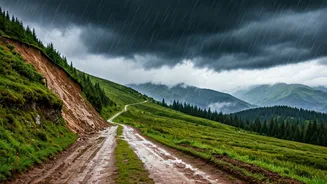
The Himalayas (Uttarakhand & Himachal Pradesh): Hill stations like Shimla, Manali, Mussoorie, and Nainital are extremely prone to landslides, road blockages, and flash floods. [3, 13] The route to pilgrimage sites like Kedarnath and Badrinath becomes particularly treacherous. [20] The geologically young and fragile nature of the Himalayas makes them highly unstable during periods of intense rain. [17, 19]
Sikkim & Darjeeling: Similar to the western Himalayas, this region in the east experiences some of the heaviest rainfall in the country, leading to frequent landslides that can cut off access for days. [6, 10] The famous Darjeeling Himalayan Railway often suspends services during the peak monsoon. [10]
Coastal Floodplains: While a rainy day at the beach sounds appealing, cities like Mumbai and states like Orissa can experience severe urban flooding, bringing life to a standstill. [6, 14] Many beaches in Goa are also considered unsafe for swimming due to rough currents during the monsoon. [7, 9]
Essential Monsoon Travel Tips
Regardless of where you go, travelling during the monsoon requires extra preparation. Prioritizing safety will ensure your trip is memorable for the right reasons.
1. Stay Updated: Regularly check weather forecasts from reliable sources like the Indian Meteorological Department (IMD). [4, 8]
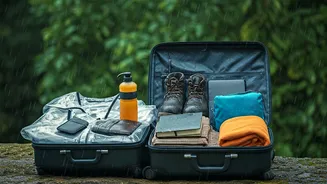
2. Pack Smart: Opt for quick-drying synthetic clothes over cotton or jeans. A reliable raincoat, waterproof footwear with good grip, and a waterproof cover for your backpack are non-negotiable. [4, 5] Keep electronics in sealed zip-lock bags. [8]
3. Plan Flexibly: Build buffer days into your itinerary. Delays due to weather are common, so avoid tight connections and late-night road travel in hilly areas. [4, 9]
4. Health & Hygiene: Be cautious with street food to avoid waterborne illnesses. Stick to bottled water and eat at clean, busy establishments. Carry a basic first-aid kit with insect repellent. [4, 5]
5. Drive Safe: If on a road trip, ensure your vehicle is in good condition. Drive slowly, avoid unexplored routes, and never attempt to cross flooded roads or streams. [24]