




The Foundation: Complex Carbs for Lasting Energy
The primary goal of your pre-fast meal is to provide slow-releasing energy that will keep you feeling full and prevent energy crashes. Complex carbohydrates are your best friend here. Unlike simple sugars found in pastries or sugary drinks that cause
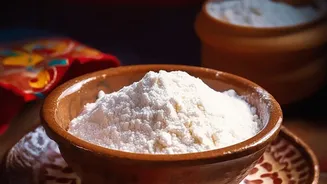
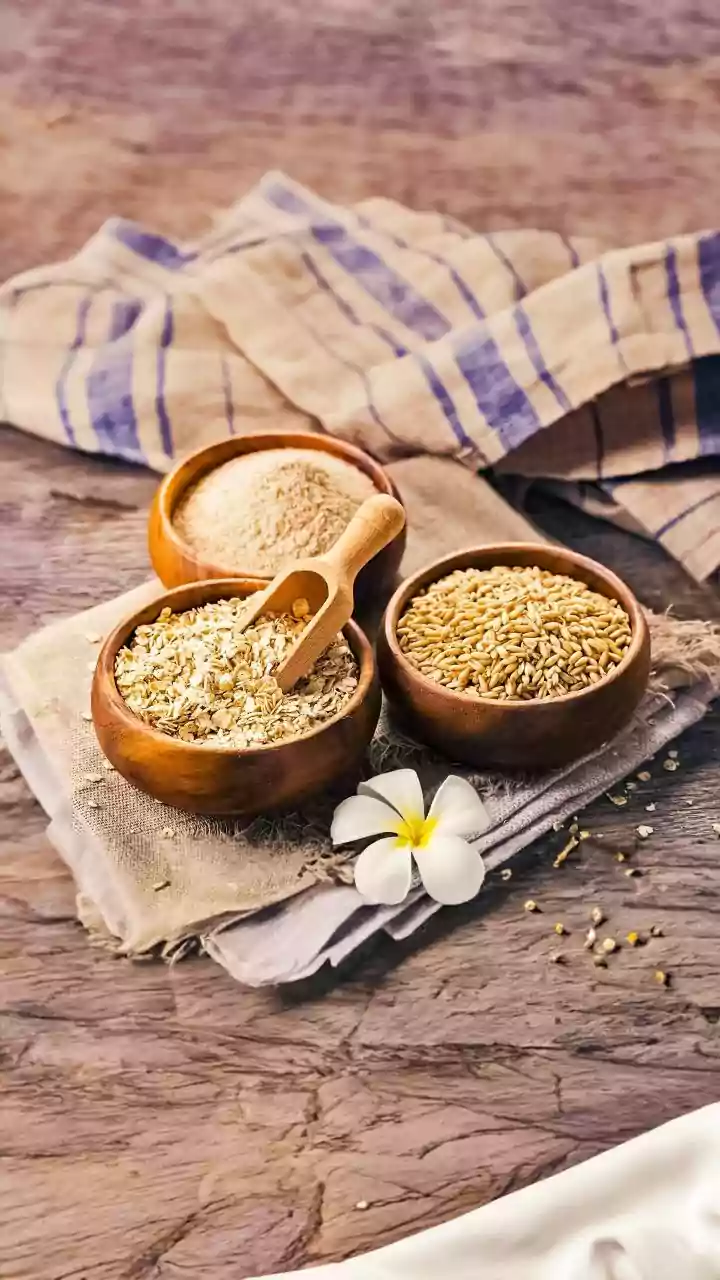
a quick spike and fall in blood sugar, complex carbs digest slowly. Excellent choices that are also Navratri-compliant include sama rice (barnyard millet), sweet potatoes, and sabudana (tapioca pearls). A small bowl of sama rice khichdi or a roasted sweet potato can provide the steady fuel your body needs to get through the day. It is wise to avoid refined carbohydrates like white flour and sugary snacks.
Power Up with Protein
Protein is essential for satiety, helping you feel fuller for longer and preventing nagging hunger pangs. Dairy products are a fantastic and widely permitted source of protein during Navratri fasts. A bowl of homemade curd (yoghurt), a glass of milk, or some paneer (cottage cheese) can significantly enhance your meal's staying power. Nuts and seeds like almonds, walnuts, and peanuts are also excellent sources of both protein and healthy fats. Combining a carbohydrate with a protein, such as sabudana khichdi with peanuts, helps to slow digestion and prevent blood sugar spikes.
Incorporate Healthy Fats
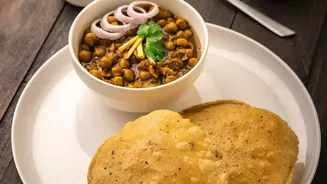
Healthy fats are another key component for sustained energy and fullness. Including sources like nuts, seeds, and avocado in your pre-fast meal is a smart strategy. A handful of soaked almonds or walnuts can provide long-lasting energy. When cooking, opt for healthy fats like ghee (clarified butter), groundnut (peanut) oil, or coconut oil in moderation. It's best to avoid deep-fried items like pakoras or puris, as they can make you feel lethargic and heavy. Instead, choose lighter cooking methods like roasting, steaming, or baking.
Hydration is Non-Negotiable
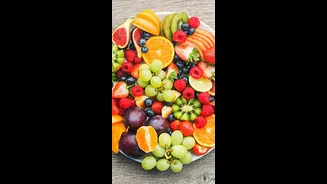
Starting your fast well-hydrated is just as important as the food you eat. Dehydration can lead to fatigue, headaches, and dizziness. Begin with a large glass of water. Other excellent hydrating options include coconut water, which helps replenish electrolytes, or a glass of buttermilk (chaas). While fruits are a great source of vitamins and hydration, be mindful of overly sweet fruit juices. It is also advisable to avoid or limit caffeine from tea and coffee before starting your fast, as it can have a diuretic effect and contribute to dehydration.
Putting It All Together: A Sample Meal
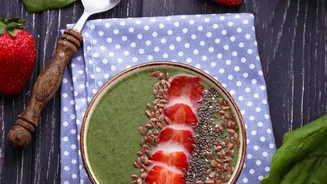
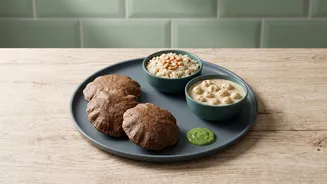
So, what does a balanced pre-fast plate look like? Aim for a combination of the elements discussed. A small bowl of samak rice khichdi cooked with vegetables like bottle gourd (lauki) and peanuts is an excellent option. Pair this with a side of plain curd or a cucumber raita. Another idea is a couple of kuttu (buckwheat) or rajgira (amaranth) rotis with a simple pumpkin sabzi and a small bowl of paneer. You could also have a fruit and nut yoghurt bowl, combining the goodness of protein from yoghurt with fibre and energy from fruits like bananas and apples, and healthy fats from almonds and walnuts.
Foods to Strictly Avoid
Just as important as what to eat is what to avoid. Steer clear of heavily processed, overly salty, and fried foods. These can cause thirst, indigestion, and sluggishness, making your fast more challenging. Refined sugars and sweets should also be limited, as they can lead to an energy crash. The focus should be on whole, nutrient-dense, and sattvic foods that are easy to digest and provide lasting nourishment.