







The Rise of the Fourth Meal
The traditional three-meals-a-day structure is becoming a relic for many. Shifting work schedules, the rise of hybrid and remote work, and evolving lifestyle habits have untethered us from rigid eating times. This has given rise to what some call the 'fourth
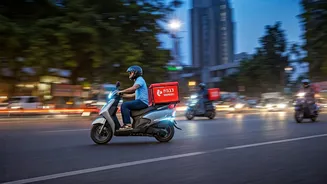
meal'. In India, late-night food delivery has doubled over the past year, with orders between 11 pm and 3 am surging. This isn't just a fleeting trend; it reflects a fundamental change in daily routines. Younger consumers, in particular, are adopting later sleep schedules, pushing dinner and subsequent snacking times well past 9 pm. This growing population of late-night eaters, once an afterthought for food brands, now represents a lucrative and untapped demographic. For many, this late meal is driven by genuine hunger, stress, or simply a desire for a comforting moment to unwind after a long day. Recognizing this, brands are moving to formalize the midnight snack.
Not Just Any Snack
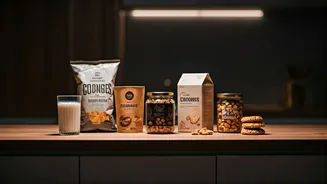
The new wave of midnight snacks isn't just about repackaging cookies and chips. The key innovation is the concept of 'functional' snacking. Companies are developing products specifically formulated to be 'sleep-friendly'. These snacks often contain ingredients like tryptophan, an amino acid that helps the body produce melatonin and serotonin, as well as magnesium, chamomile, and lavender to promote relaxation. Brands like Nightfood in the US, for instance, have developed ice cream and cookies with fewer calories and less sugar, designed for people who already snack before bed but want a healthier option. The goal is to offer a snack that satisfies cravings without disrupting sleep patterns, a stark contrast to the high-sugar, high-fat options that have traditionally dominated late-night eating. This approach merges indulgence with wellness, catering to health-conscious consumers who still want a treat.
Who's in the Game?
Both established food giants and nimble startups are entering the fray. Large corporations like Nestlé (with Goodnight chocolates) and Post (with Sweet Dreams cereal) have launched products aimed at the evening consumer. In India, the surge in demand is being met by quick-service restaurants like McDonald's and Domino's, which are extending their delivery hours to as late as 3 am in many cities. Dairy giant Amul has reported a demand spike of up to 40% for products like ice cream and frozen snacks during late-night hours, facilitated by the growth of quick-commerce platforms. Alongside these major players, dedicated brands like Insomnia Cookies, which specializes in delivering warm cookies late into the night, have built their entire business model around this consumption moment. This mix of legacy brands and specialized newcomers signals a broad recognition of the market's potential.
The Health-Conscious Conundrum
While the idea of a 'sleep-friendly' snack is appealing, the trend exists in a delicate balance. Nutritionists have long cautioned against eating large meals close to bedtime. The new market category navigates this by focusing on smaller, nutrient-dense portions. The ideal bedtime snack often combines protein and complex carbohydrates to help regulate blood sugar and promote sleep. Options like a banana with almond butter, a small bowl of oatmeal, or yogurt are often recommended. The new packaged snacks aim to replicate these benefits in a convenient format. However, the line between a functional food and a cleverly marketed indulgence can be thin. The success of this category will depend on whether consumers perceive these products as genuinely beneficial for their sleep and wellness, or simply as a guilt-free excuse to continue a habit that has long been considered unhealthy.