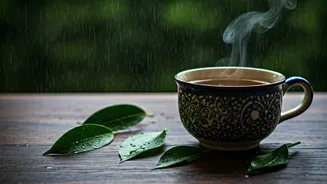





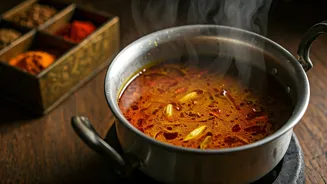



The Monsoon Wellness Ritual
Kadha is not a new invention; it's a timeless wellness secret passed down through generations in Indian households. It’s a traditional decoction, an Ayurvedic drink made by simmering a variety of herbs and spices in water. While it’s been a go-to remedy
for coughs and colds for centuries, it’s now seeing a major resurgence as a daily preventative habit, especially when the skies turn grey. The logic is simple: the monsoon brings a drop in temperature and an increase in humidity, creating a perfect breeding ground for bacteria and viruses. A warm, spiced Kadha is seen as the first line of defence, a way to keep your body’s internal fire strong against the damp chill outside.
Why It’s Perfect for the Rains
During the monsoon, our immunity can take a hit. The change in weather often leads to a rise in common ailments like the flu, sore throats, and digestive issues. Kadha’s power lies in its ingredients, which are chosen for their potent antimicrobial, anti-inflammatory, and immunity-boosting properties. The warmth of the drink itself is soothing for an irritated throat and can help loosen congestion in the chest and sinuses. Think of it as an internal raincoat, helping your body fortify its defences so you can enjoy the season without being bogged down by constant illness. It’s less of a medicine and more of a comforting, proactive wellness ritual.
The Power Players: What’s Inside?
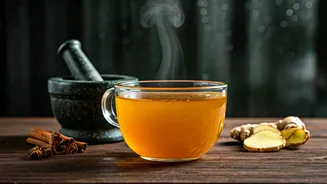
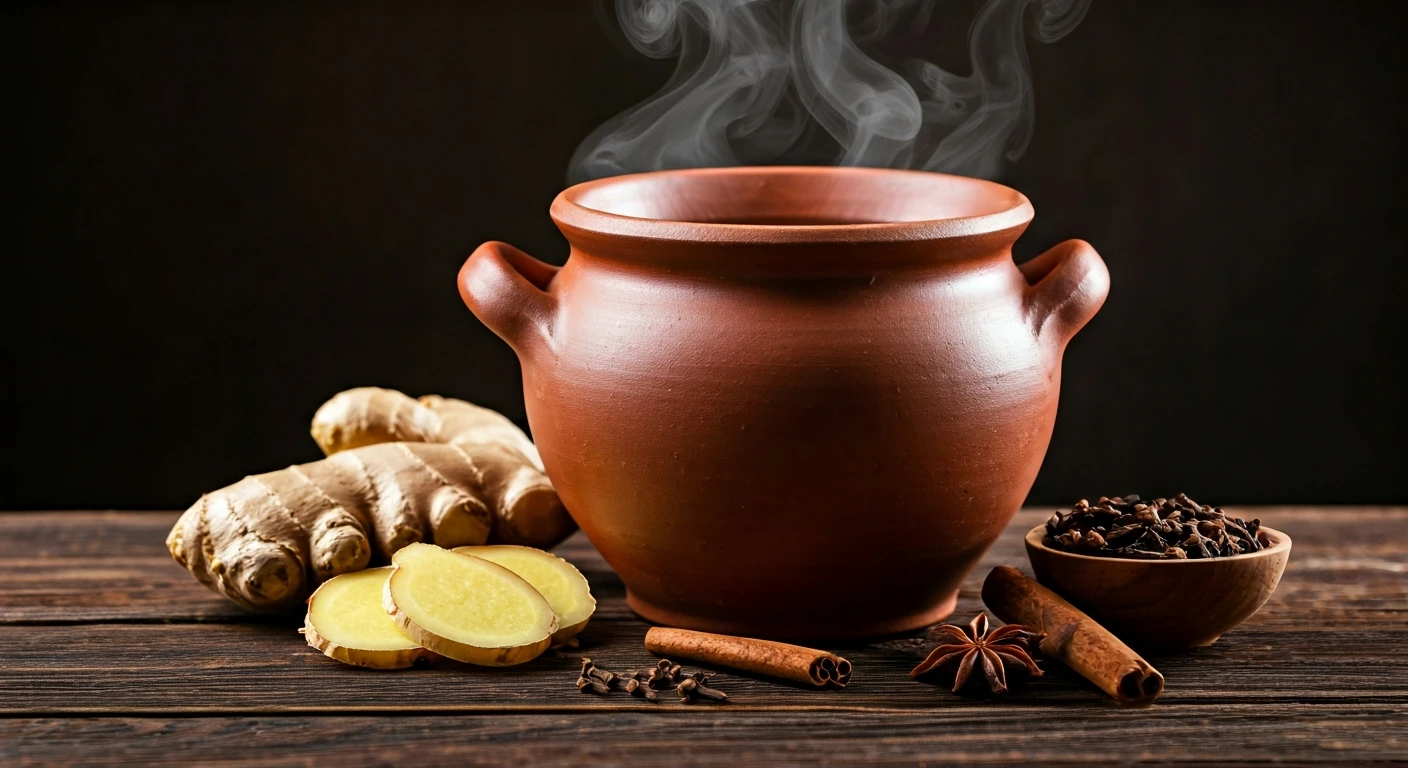
The beauty of Kadha is its versatility—you can adjust the ingredients based on what you have and what your body needs. However, a few key players form its potent base: * **Tulsi (Holy Basil):** Revered in Ayurveda, Tulsi is a powerhouse of antimicrobial and antiviral properties. It’s known to help combat respiratory infections and boost overall immunity. * **Adrak (Ginger):** With its active compound gingerol, ginger is a potent anti-inflammatory and antioxidant. It’s excellent for soothing a sore throat, fighting nausea, and warming the body. * **Kali Mirch (Black Pepper):** Not just a spice, black pepper is rich in piperine, which has antioxidant properties and enhances the absorption of other nutrients, like curcumin from turmeric. * **Laung (Cloves):** Cloves are a natural antiseptic and are often used to relieve throat pain and cough. * **Dalchini (Cinnamon):** This fragrant spice is loaded with antioxidants and has anti-inflammatory effects, making it a great addition to your immunity-boosting brew.
Brew Your Own Potion: A Simple Recipe
Making Kadha at home is incredibly simple. You don't need exact measurements; feel free to adjust based on your taste. 1. **Gather your ingredients:** Take 2 cups of water in a saucepan. Add a few leaves of fresh Tulsi (4-5), a small piece of grated ginger (about half an inch), 2-3 crushed black peppercorns, 2 cloves, and a small stick of cinnamon. 2. **Add optional boosters:** For extra benefits, you can add a pinch of turmeric (haldi) or a few seeds of ajwain (carom seeds) for digestion. 3. **Simmer and reduce:** Bring the water to a boil, then reduce the heat and let it simmer for 10-15 minutes. The goal is to let the water reduce to about half its original quantity, ensuring all the goodness from the spices has been extracted. 4. **Strain and serve:** Strain the liquid into a cup. You can add a teaspoon of honey or a small piece of jaggery (gud) to sweeten it and soothe your throat. Avoid adding honey while the Kadha is boiling hot, as it can reduce its benefits; stir it in when the drink is warm enough to sip.
A Word of Caution
While Kadha is a natural and generally safe remedy, moderation is key. The ingredients are warming in nature (known as 'taseer' in Hindi), and excessive consumption, especially in summer or for people with a 'pitta' constitution, can sometimes lead to issues like acidity, heartburn, or nosebleeds. One small cup a day is usually sufficient during the monsoon. It's a supportive drink, not a replacement for medicine. If you are running a high fever or your symptoms are severe or persistent, it’s crucial to put the home remedies aside and consult a doctor.