







Why Your Perfect Plan Will Fail
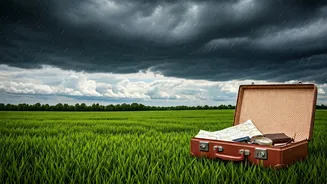
The romance of the monsoon is undeniable: the petrichor, the dramatic skies, and the thunderous waterfalls. [16] The reality, however, is that this season is inherently unpredictable. [8] Heavy downpours can lead to flash floods, waterlogging in cities,
and landslides in hilly regions, severing road connections for hours or even days. [12] Flights get delayed due to low visibility, and train schedules are often thrown into disarray. [8] These aren't edge cases; they are features of monsoon travel. [2] Trying to stick to a rigid, minute-by-minute itinerary is a recipe for frustration. The question is not *if* your plan will be disrupted, but when. Thinking of the monsoon's power not as an inconvenience but as an integral part of the experience is the first step toward a successful trip.
The Art of Planning Loosely
So, how do you plan for the unpredictable? You build flexibility into the very core of your trip. [11, 22] This starts with your bookings. Opt for hotels and flights that offer flexible cancellation or rescheduling policies. Instead of booking every single activity in advance, create a list of possibilities and decide on the day based on the weather. [4] A crucial tip is to build buffer days into your schedule. [5] If you're planning a week-long trip, add at least one or two extra days with no fixed agenda. This buffer transforms a potential disaster—like being stranded by a landslide—into an opportunity to explore a place more deeply or simply relax and enjoy the rain. Keep your daily travel distances shorter and avoid driving at night, especially in hilly areas. [5]
The Joy of the Unplanned Detour
The true magic of monsoon travel reveals itself when you surrender to its flow. A blocked road isn't a dead end; it's an invitation to explore a new route. A cancelled ferry might lead you to discover a sleepy, charming village you would have otherwise sped past. With fewer tourists around, you have a more authentic experience. [8, 19] You can enjoy popular spots without the usual crowds, get better deals on hotels, and have more meaningful interactions with locals. [23, 10] This style of travel forces you out of a consumer mindset and into one of an explorer. The best memories are often born from these spontaneous moments: the impromptu cup of chai at a roadside stall while waiting for the rain to pass, or the discovery of a hidden waterfall simply by following a sound.
Pack Smart, Not Just for Rain
A flexible mindset needs to be supported by practical packing. A good raincoat and waterproof footwear with a solid grip are non-negotiable. [3] But think beyond that. Pack quick-drying synthetic clothes; jeans are a terrible idea as they take forever to dry in the humidity. [5] A waterproof bag or at least waterproof covers for your electronics and documents is essential. [4] Given the possibility of power outages, especially in more remote areas, a fully charged power bank is a lifesaver. [3] And because there will be waiting involved, pack a good book or download movies. Finally, a basic first-aid kit with medication for common monsoon ailments and a strong insect repellent is crucial for staying healthy. [9]
Where to Embrace the Flow
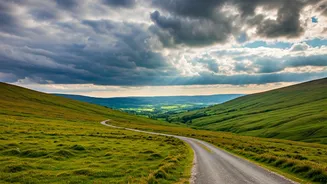
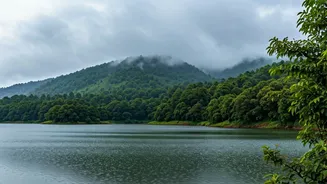
Certain destinations are better suited for this spontaneous approach. The Western Ghats, including places like Coorg, Wayanad, and Malshej Ghat, are spectacular but prone to landslides, making a flexible schedule essential. [14, 21] Here, the journey itself is the destination, with misty roads and countless waterfalls appearing around every bend. Goa, during the off-season, transforms from a party hub to a tranquil green paradise, perfect for lazy days with no agenda. [20] In Rajasthan, cities like Udaipur see their lakes fill up, offering a romantic, less-crowded experience. [17] The key is to choose regions that are beautiful in the rain and have enough infrastructure to handle it, but where you won't feel pressured to tick off a long list of sights. [6, 15]