






Reframe Your Approach to Rain
For months, you’ve diligently watered your plants under the harsh summer sun. Now, nature is taking over. The monsoon offers a welcome respite from daily watering, higher humidity that many tropical plants adore, and cooler temperatures that reduce plant stress.
Rainwater is also naturally soft and slightly acidic, helping to flush out salts from potting soil and making nutrients more available to plant roots. Instead of seeing the season as a challenge, view it as a period of rejuvenation. The key is not to fight the rain, but to manage it. Many foliage plants that grow under rainforest canopies in their natural habitat, like money plants, ferns, and philodendrons, show fresh growth and richer colour within days of the first showers.
Master a Monsoon-Proof Foundation
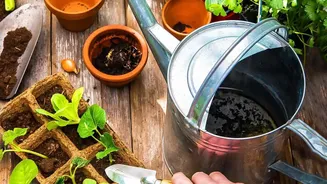
The single greatest threat to potted plants during the monsoon is waterlogging. When roots sit in soggy soil, they are starved of oxygen and begin to rot, leading to yellowing leaves and wilting. To prevent this, focus on drainage. First, ensure every pot has clear, unobstructed drainage holes. Elevating pots on stands, bricks, or 'pot feet' allows excess water to escape freely and improves air circulation. Second, refresh your potting medium. Heavy, clay-based soils retain too much water. A light, well-draining mix is crucial. A reliable formula is a combination of garden soil or coco peat, compost for nutrients, and perlite or coarse sand to create air pockets and prevent compaction. This ensures that while the soil stays moist, it never becomes a swamp.
Choose Your Monsoon Champions
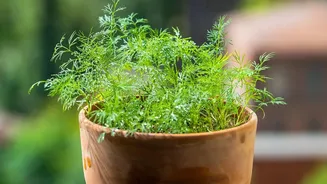
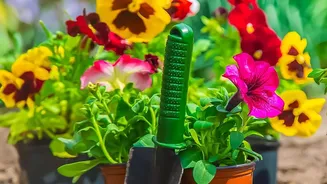
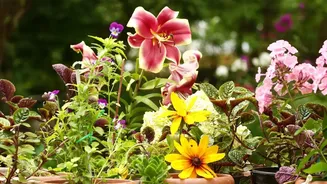
This is the ideal time to introduce plants that thrive in high humidity and consistent moisture. For a splash of colour, flowering plants like hibiscus, balsam, marigold, and periwinkle perform exceptionally well during the rains. Jasmine varieties will fill your balcony with fragrance, as they love humid weather. It's also a prime season for growing lush foliage. Tropical plants such as areca palms, money plants (pothos), ferns, peace lilies, and aglaonema (Chinese evergreens) flourish in monsoon conditions. If you enjoy edibles, this is a great time to plant herbs like mint and coriander, or vegetables like okra and spinach, which enjoy the moist climate.
Prune, Propagate, and Proliferate
The moist, humid air of the monsoon creates the perfect environment for plant surgery and expansion. Pruning, or trimming back your existing plants, encourages bushier, healthier growth. Regular pruning is especially beneficial for plants like hibiscus to produce more flowers. Don't discard the cuttings. The high humidity significantly increases the success rate of propagation. Cuttings from plants like money plant, wandering dude, and syngonium will root easily when placed in water or directly into moist soil, allowing you to multiply your plant collection for free. The rainy season makes propagation much easier and more successful than in the dry summer months.
Stay Vigilant Against Pests
Unfortunately, the wet and humid weather that plants love is also a breeding ground for pests and fungal diseases. Snails, slugs, mealybugs, and aphids are common intruders during this season. Inspect your plants regularly, especially the undersides of leaves. Fungal issues like powdery mildew can be prevented by ensuring good air circulation between pots. For pest control, an organic neem oil solution sprayed every couple of weeks acts as an effective repellent against a wide range of insects without harming the plant. Simple homemade sprays using garlic and chilli can also deter many common pests. Finally, be mindful of stagnant water in trays or pot saucers to prevent mosquitoes from breeding.