


A Taste of History
In an age of globalised menus and fast-food culture, a growing number of Indian chefs and food festival curators are looking backwards to move forward. They are unearthing recipes that were once the heart of family kitchens but have since faded from daily
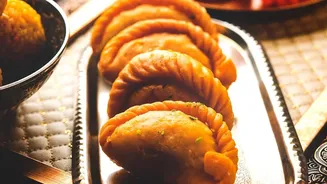
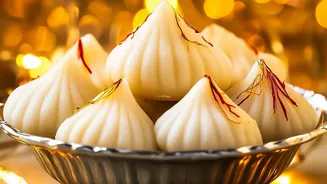
life. These are not just dishes; they are edible memories passed down through generations, often orally, without written records. Festivals dedicated to "lost recipes" are emerging as vibrant platforms for this revival. Events like the 'Lost Recipes of Undivided India' festival, for example, celebrate the culinary gems of the subcontinent before 1947, showcasing dishes from regions that are now part of India, Pakistan, and Bangladesh. The goal is to preserve a shared cultural heritage and reintroduce diners to flavours that tell a story of a time when borders didn't define the dinner table.
The Custodians of Culinary Heritage
This movement is championed by a diverse group of culinary custodians, from Michelin-starred chefs to dedicated food historians and home cooks. Prominent chefs like Vikas Khanna and Ritu Dalmia are actively researching and documenting forgotten regional dishes, bringing them to modern plates while preserving their authenticity. Others, like the late Jiggs Kalra, dedicated their careers to resurrecting dishes that had all but disappeared, elevating them to fine-dining experiences. These efforts go beyond the kitchen. Many culinary experts travel extensively, speaking with elders in villages and documenting oral histories to piece together fragmented recipes. It’s a meticulous process of cultural archaeology, where a conversation with a grandmother can be as valuable as any historical text. This work ensures that the wisdom behind traditional techniques and indigenous ingredients is not lost.
More Than Just Nostalgia
The desire to reconnect with heirloom recipes is more than simple nostalgia. It’s a response to the homogenisation of food culture and a growing appreciation for authenticity. For many, these dishes offer a tangible link to their roots and a way to understand their family's history. Community cookbooks and digital projects are also playing a crucial role, crowdsourcing recipes from families across the country and preserving them for future generations. These initiatives celebrate the idea that an heirloom isn't always jewellery or property; sometimes, it's the taste of a dish that carries the strongest memories. By documenting recipes for dishes like Parsi 'Eeda Pak' or the Kashmiri winter staple 'Hokh Syun', they are creating an archive of India's vast and varied culinary landscape.
A Celebration of Regional Diversity
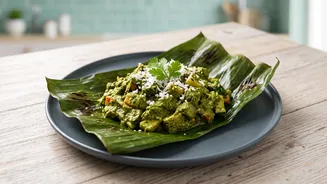
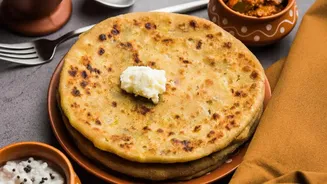
These festivals and revivals are a vibrant reminder that there is no single "Indian cuisine." Instead, there are hundreds of distinct culinary traditions shaped by geography, community, and history. Events might focus on the specific cuisine of one community, like the Parsi food championed by chef Anahita Dhondy, or the rustic flavours of Uttarakhand found in a simple 'Bhang Ki Chutney'. From the sun-dried vegetable curries of Kashmir to the complex 'Shukto' of Bengal, these rediscovered dishes showcase the incredible ingenuity of regional Indian cooking. They often rely on seasonal, local ingredients and slow-cooking techniques that bring out soulful flavours rarely found in today's fast-paced world. This focus on terroir and tradition is helping diners appreciate the true depth and breadth of India’s food heritage.