






For pet parents in Indian high-rises, the joy of companionship often comes with a constant fear for their safety. Open balconies and windows pose a serious risk. But a new trend in removable safety fixtures offers a solution that works for everyone.
The High-Rise Hazard for Pets
Living
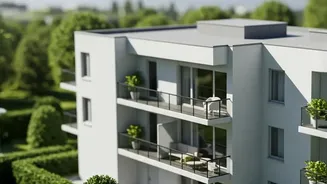
in a city apartment means embracing vertical life, but for cats and small dogs, it presents a life-threatening danger. A standard balcony railing in India can have gaps of 110-150 mm, wide enough for a curious pet to slip through. Vets even have a name for the injuries sustained from falls from such heights. The risk isn't just about falls; it's about the instinctual chase of a bird or an insect that can lead to a tragic accident. Many apartments simply aren't designed with the safety of our four-legged family members in mind, leaving tenants to find their own solutions for peace of mind.
A Solution That Works for Everyone
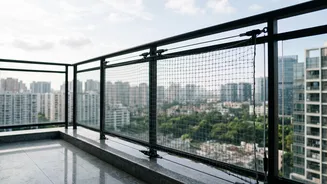
The answer lies in temporary, non-damaging modifications. Removable pet protection fixtures are designed specifically for renters. The most common and effective solution is a pet safety net for the balcony. Made from durable, UV-resistant materials like HDPE (High-Density Polyethylene), these nets are strong enough to prevent falls but transparent enough not to obstruct the view. For windows, options include adjustable tension bars that require no drilling, clamp locks, or even adhesive-based window restrictors that allow ventilation while preventing a pet from pushing the window fully open. The key selling point for landlords is that these solutions are not permanent. They can be installed without drilling and removed without a trace, preserving the property.
How to Approach Your Landlord
The conversation with your landlord is crucial, and your approach matters more than the law. While housing societies cannot legally ban pets, a landlord can choose not to rent to a pet owner. Therefore, negotiation should be framed with empathy, not entitlement. Start by acknowledging their primary concerns: property damage, noise, and hygiene. Explain that you want to be a responsible pet owner and proactive tenant by installing safety measures. Offer to bear the full cost of the fixtures and installation, which can range from ₹3,500 to ₹6,000 for a basic, professionally installed balcony net. Highlight that these fixtures are temporary and will not damage their property. It is wise to get any agreement in writing, even as an addendum to your lease.
Framing It as a Property-Protecting Measure
The most effective negotiation tactic is to present your request as a win-win. Explain that a secured pet is a quiet and safe pet. A safety net or window guard prevents the pet from scratching at windows or doors out of anxiety, potentially causing damage. More importantly, it prevents accidents that could lead to bigger issues. Frame the installation not as a personal demand, but as a responsible action to protect both your pet and their asset. You can position it as a 'tenant-funded safety upgrade'. Assure them you will use a professional installer who understands how to affix nets and guards without structural changes, often using heavy-duty zip ties or tension-based frames. By presenting a wellndesearched, funded, and nonndpermanent solution, you demonstrate responsibility and respect for their property, making a 'yes' much more likely.