


As the harsh summer heat gives way to mild, sunny days, Jaipur transforms. Winter is the perfect season to explore the Pink City's majestic forts and wander through its vibrant, culture-rich streets without breaking a sweat.
Why Winter is the Perfect Season
From October to March, Jaipur
enjoys the most pleasant weather of the year, making it the peak season for travellers. Daytime temperatures are comfortable, ideal for long hours spent exploring the city's extensive outdoor attractions. The crisp, clear air and golden sunlight offer perfect conditions for photography, whether you're capturing the grandeur of a hilltop fort or the colourful chaos of a local bazaar. This is the season when the city truly comes alive, hosting major cultural events and festivals that provide a deeper glimpse into Rajasthani traditions.
The Majestic Trio of Forts
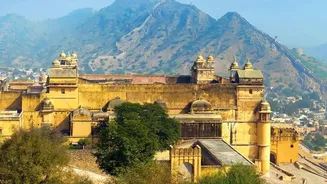
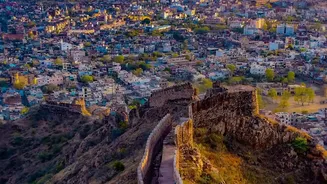
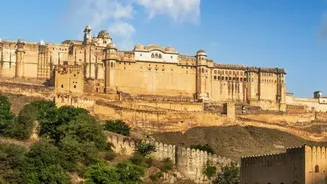
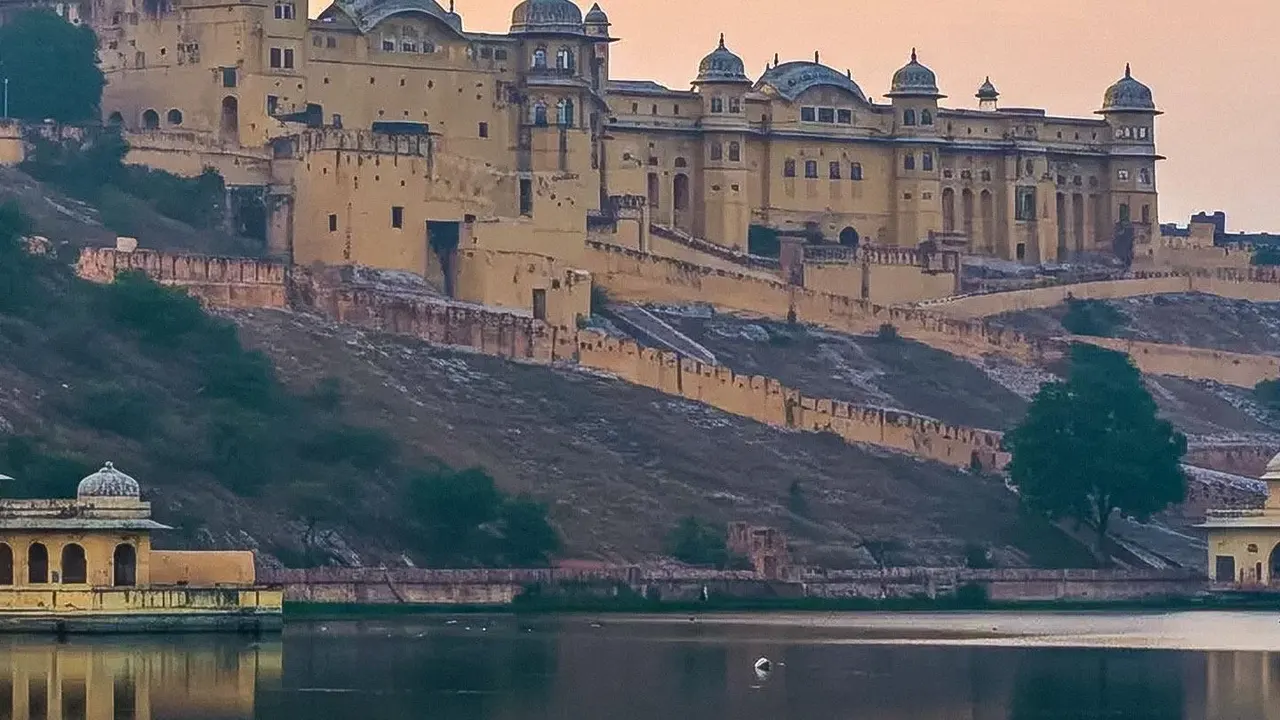
No trip to Jaipur is complete without visiting its formidable forts. Start your day early at Amer Fort, a stunning 16th-century blend of Rajput and Mughal architecture, to beat the crowds. Explore its vast courtyards, the dazzling Sheesh Mahal (Mirror Palace), and the ornate Ganesh Pol gateway. Nearby, Jaigarh Fort offers a more rugged, military perspective, famous for housing Jaivana, once the world's largest cannon on wheels. As evening approaches, make your way to Nahargarh Fort. Perched on the Aravalli Hills, it provides the most spectacular panoramic sunset views over the entire city, which slowly transforms into a carpet of twinkling lights.
The Heart of the Pink City
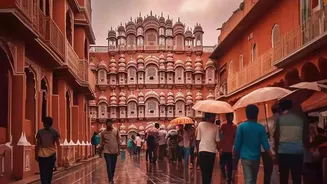
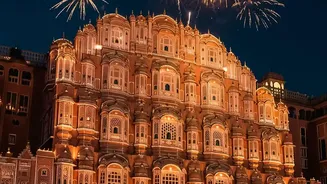
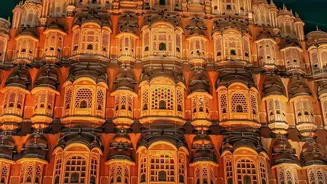
Beyond the forts, the soul of Jaipur resides in its historic walled city. A great starting point is the iconic Hawa Mahal, or 'Palace of Winds'. While its intricate, honeycombed facade is famous, it's best photographed from across the street in the morning light. From there, it's a short walk to the City Palace, a sprawling complex that is still home to Jaipur's royal family. It houses several museums displaying royal costumes, textiles, and armour. Right next door is Jantar Mantar, a UNESCO World Heritage Site and a fascinating collection of 19 architectural astronomical instruments, including the world's largest stone sundial.
A Labyrinth of Colourful Bazaars
Jaipur's markets are a sensory overload in the best possible way. Johari Bazaar is the city's historic hub for jewellery, renowned for traditional Kundan and Meenakari work. For textiles, leather goods, and souvenirs, head to Bapu Bazaar, a lively market perfect for picking up Jaipuri quilts and colourful 'juttis' (traditional shoes). Near the City Palace, Tripolia Bazaar is famous for its lac bangles, where you can often see artisans crafting them by hand. These bazaars aren't just for shopping; they are a vibrant cultural experience, offering a glimpse into the city's centuries-old artisan trades.
Savouring the Flavours of Winter
The cooler weather makes it the perfect time to indulge in Jaipur's rich and warming cuisine. Winter is the season for special sweets like 'gajak' (a crunchy sesame and jaggery brittle), 'gond ke laddoo' (edible gum laddoos meant to keep you warm), and rich 'gajar ka halwa' made from seasonal red carrots. For a savoury fix, don't miss out on a hot 'pyaaz kachori' (onion-filled pastry) from a streetside stall. A comforting meal of 'bajra roti' (millet flatbread) with fiery garlic chutney is a local winter staple, best enjoyed at a traditional dhaba. End a chilly evening with a cup of masala chai served in a traditional earthen cup, or 'kulhad'.