




Not Just Another Ginger
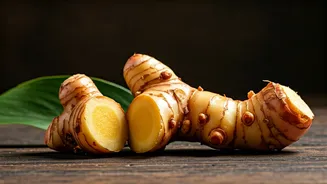
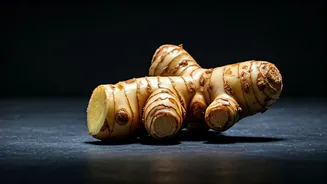
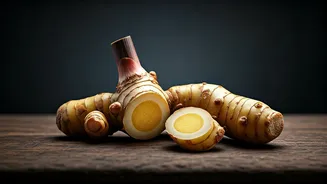
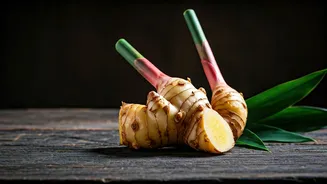
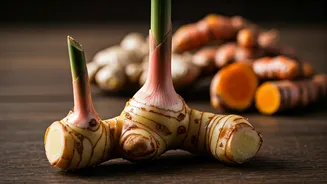
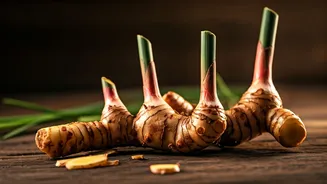
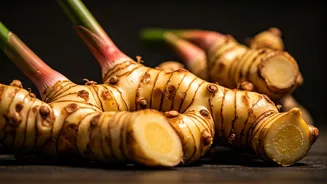
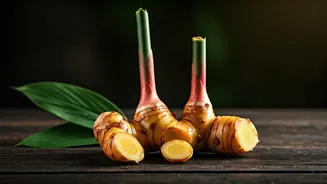
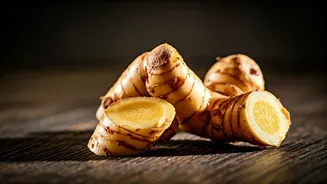
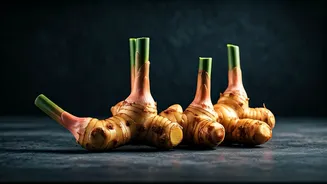
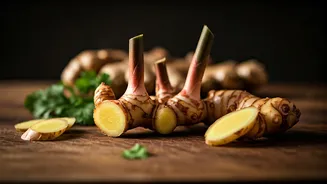
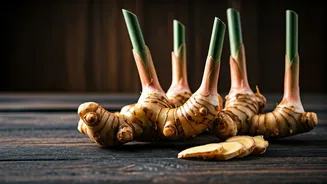
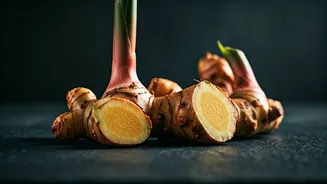
At first glance, galangal and ginger look like they were separated at birth. Both are knobby, underground stems called rhizomes. But that's where the family resemblance largely ends. Galangal has smoother, paler skin, often with a pinkish hue, and its
flesh is significantly harder and more fibrous. You can't just grate it like ginger; it needs to be thinly sliced or pounded to release its magic. The real difference is the taste. While ginger offers a pungent, spicy heat with a hint of sweetness, galangal delivers a completely different profile. It's sharper, with distinct citrusy, earthy, and pine-like notes. Many chefs and food lovers describe its flavour as more complex and aromatic. It’s the secret ingredient that gives many Southeast Asian dishes their signature authentic zing.
A Staple of Southeast Asian Kitchens
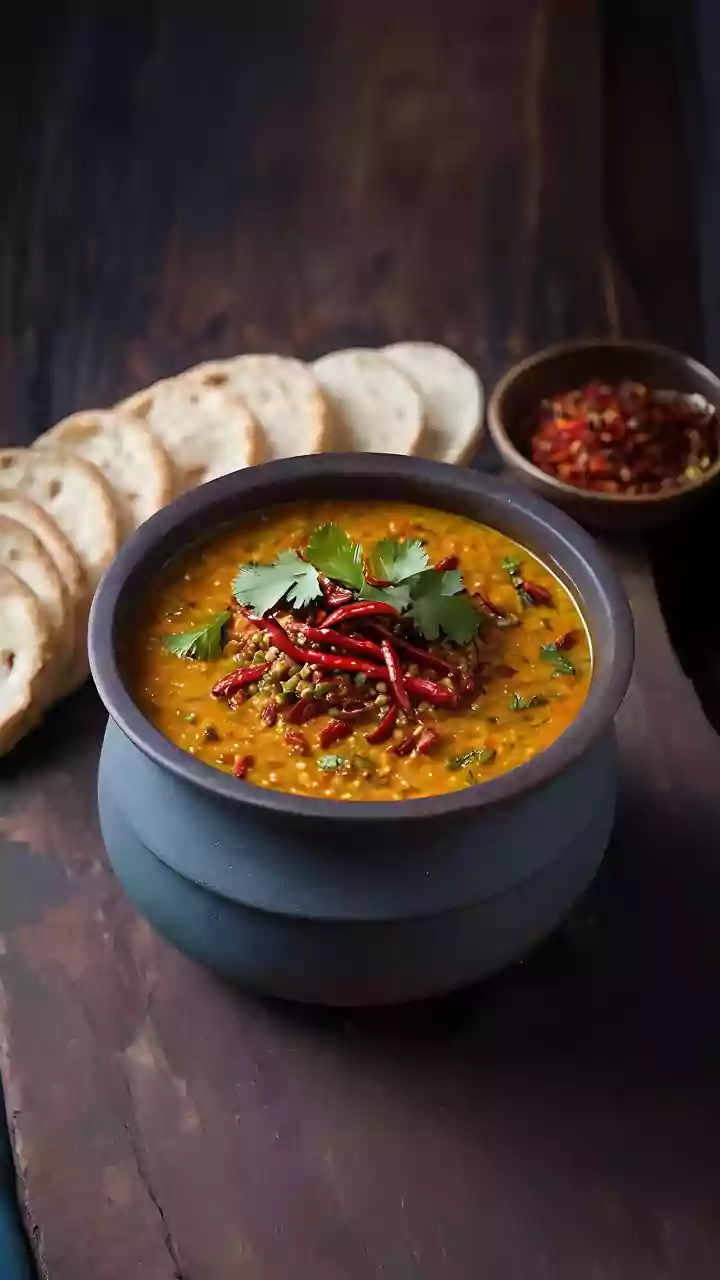
For centuries, galangal has been a cornerstone of Thai, Indonesian, Malaysian, and Vietnamese cuisines. It's an indispensable component in Thai curry pastes and gives famous soups like Tom Yum and Tom Kha Gai their characteristic bright, tangy flavour. In Malaysian and Indonesian cooking, it's essential for dishes like rendang and laksa, where it helps to balance the richness of coconut milk and build layers of flavour. It is so central to the region's food identity that it's often referred to as Thai or Siamese ginger. The part we cook with is the rhizome, which is often added in slices to infuse broths and then removed before serving, much like a bay leaf, because its woody texture makes it tough to chew.
From Ancient Medicine to Modern Menus
Beyond the kitchen, galangal has a long history in traditional and Ayurvedic medicine. It has been used for everything from aiding digestion and reducing inflammation to soothing skin ailments. Modern science is beginning to explore these benefits, noting its richness in antioxidants and polyphenols. This blend of culinary appeal and wellness properties is helping to drive its current moment. Chefs outside of traditional Southeast Asian restaurants are now experimenting with its unique flavour profile. You might find it infused in craft cocktails, adding a spicy, floral note to a gin and tonic, or used in marinades for grilled meats and seafood, lending a fresh, aromatic complexity that ginger alone can't replicate.
How to Use Galangal at Home
Bringing galangal into your own cooking is easier than you might think. Fresh galangal can be found in most Asian markets and many larger supermarkets. Look for firm rhizomes with smooth skin. Because it is so fibrous, it is best to slice it very thinly against the grain. You can also find it sold as a dried powder or a convenient paste. To begin, try adding a few thin slices to your next soup, stew, or curry to infuse it with that signature citrus-pine aroma. You can also pound it in a mortar and pestle with garlic, chillies, and lemongrass to create a foundational paste for a stir-fry. Don't try to substitute ginger for galangal or vice versa; they are truly distinct ingredients that offer different experiences.