







The New Visa Gauntlet
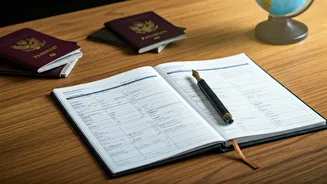
Remember when getting a tourist visa was a predictable, if tedious, part of your travel checklist? That landscape has shifted dramatically. Post-pandemic backlogs, coupled with geopolitical tensions and policy changes, have turned visa applications into
a significant hurdle. For Indian passport holders, destinations like the US, UK, and the Schengen Area have seen unprecedented wait times for appointments and processing. Stories of travellers booking non-refundable flights and hotels, only to have their visa delayed or denied, are now common cautionary tales. It's no longer enough to know you need a visa; you must understand the current, real-time processing landscape. This means checking for appointment availability on platforms like VFS Global and consulting official embassy websites for the most up-to-date processing timelines *before* you even think about clicking 'confirm purchase' on a flight deal.
How to Master Your Visa Homework
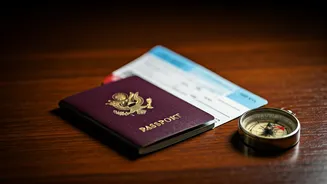
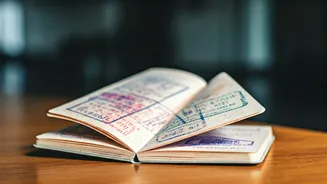
Treating the visa process as your primary planning step is the new rule of thumb. Start by identifying the exact visa you need. Is it a standard tourist visa, an e-visa, or a visa-on-arrival? Each has its own timeline and documentation requirements. For popular destinations requiring in-person appointments, begin your search months in advance. Set up alerts if possible. For countries offering e-visas, like Turkey or Vietnam, read the fine print carefully. Sometimes, these are conditional upon holding another valid visa (e.g., from the US or UK). The golden rule is simple: do not commit financially to your trip until the visa is stamped in your passport. The peace of mind this affords is invaluable, protecting you from the financial and emotional stress of a last-minute travel cancellation.
Climate Change on Your Itinerary
Just as the administrative climate for travel has changed, so has the literal one. Checking the weather is no longer about simply asking, “Will it be sunny or rainy?” Climate change has introduced a new level of volatility, making extreme weather events more frequent and intense. The European summer dream can be shattered by record-breaking heatwaves, a monsoon-season trip to Southeast Asia could coincide with catastrophic flooding, and a North American holiday might be disrupted by wildfire smoke. Relying on outdated assumptions about a destination's 'best season to visit' is a risky gamble. Today’s traveller needs to look beyond generic seasonal guides and investigate the region’s recent climate patterns. What was the weather like this time last year? Have there been recent reports of floods, droughts, or other extreme conditions?
Becoming a Weather-Wise Traveller
Fortunately, you have more tools than ever to make an informed decision. Start with long-range weather forecasts, but take them with a grain of salt and use them for general trend analysis. More importantly, use websites that provide historical weather data (like Time and Date or AccuWeather) to see what the conditions were like over the past few years for your chosen dates. This gives you a more realistic picture of potential temperature ranges and precipitation. For destinations known for climate volatility, consider planning your trip during the 'shoulder seasons'—the periods just before or after the peak season. Not only will you face fewer crowds and often lower prices, but you may also dodge the worst of the extreme weather, be it scorching heat or torrential rain. Always have a backup plan with indoor activities in case the weather turns unexpectedly.
Your New Pre-Booking Checklist
Integrating these checks into your planning process transforms them from a chore into a strategy for a seamless vacation. First, conduct a preliminary check of visa timelines and historical weather for your desired destination and dates. If the visa wait is too long or the weather risk too high, pivot to a different location or time of year. Second, once you’ve chosen a viable option, apply for your visa immediately. Third, only after your visa is approved should you book your non-refundable flights and accommodation. Finally, a week before you depart, do a final, detailed weather check to guide your packing. This structured approach might feel overly cautious, but in today’s unpredictable world, it’s simply smart travel.