






The Advancing Threat
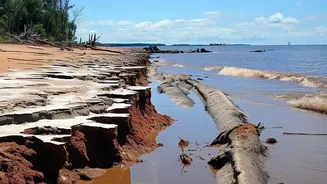
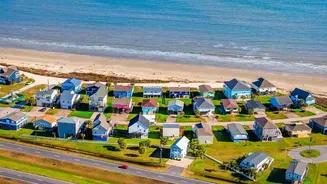
For communities dotting India's eastern seaboard, the threat of coastal erosion and tidal surges is a daily reality. Cyclones originating in the Bay of Bengal, coupled with rising sea levels, create a potent combination that eats away at the land. In villages
like those in Odisha's Kendrapara district or the Sundarbans in West Bengal, residents have witnessed their land shrink and homes get washed away. Traditional defenses like earthen embankments often prove insufficient against the full force of nature, leaving millions of people vulnerable to flooding and the loss of their agricultural lands to saltwater intrusion. This constant battle against the tide jeopardizes not just property, but entire ways of life.
Nature’s Coastal Guardians
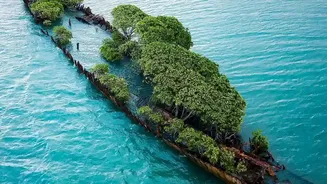
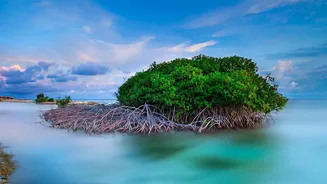
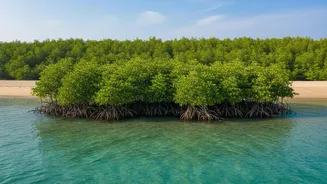
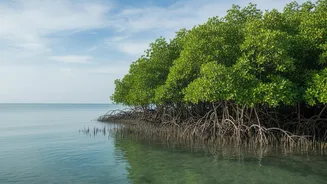
The answer, for many, has been found in an unassuming hero of the coastline: the mangrove tree. These remarkable salt-tolerant trees are much more than simple vegetation; they are complex ecosystems and nature's most effective coastal engineers. Their intricate, dense root systems act like a net, trapping sediment and slowing down water flow. This process not only prevents existing soil from washing away but can also help build new land over time. During cyclones and storm surges, a healthy mangrove forest acts as a formidable bio-shield, absorbing and dissipating the energy of the waves, reducing their height by up to 66% and significantly lessening the impact on the communities sheltered behind them.
From Vulnerable to Vigilant
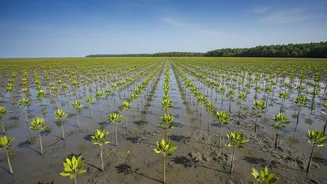
Across the eastern coast, a powerful movement has taken root, turning climate victims into frontline environmental stewards. This isn't a top-down initiative but a grassroots effort driven by the very people who have the most to lose. In places like the Sundarbans and coastal Andhra Pradesh, local communities, often led by fishermen and women's self-help groups, have taken charge of restoring these vital ecosystems. Organisations like the M. S. Swaminathan Research Foundation and the Nature Environment and Wildlife Society (NEWS) have collaborated with villagers, providing training and resources. Communities are involved in every step, from establishing nurseries and collecting the right seeds to the physically demanding work of planting saplings in the challenging inter-tidal zones.
The Art and Science of Restoration
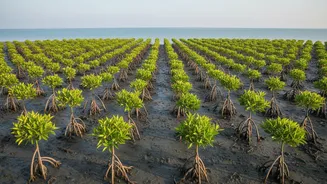
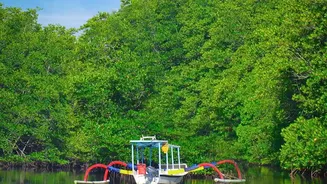
Restoring a mangrove forest is a meticulous process. Community members, drawing on generations of traditional knowledge, select the appropriate sites—often degraded mudflats—and the correct native species for the local soil and salinity conditions. Saplings are grown in local nurseries, a task often managed by women's groups, which also provides them with a source of income. Once the saplings are ready, villagers work together to plant them, sometimes using boats to reach the ideal locations in brackish river mouths and creeks. This is followed by years of dedicated protection, where communities act as social fences, guarding the young forest from cattle and ensuring the saplings have time to establish their robust root systems.
A Harvest of Hope and Resilience
The results of these efforts are tangible and life-changing. Villages protected by these newly-grown bio-shields report significantly less damage during annual cyclones. In the Badakot village in Odisha, for instance, a community-created 25-acre mangrove forest has successfully halted land erosion since 2016. But the benefits extend beyond just protection. These restored forests have become thriving nurseries for fish, crabs, and shrimp, boosting the livelihoods of local fishing communities. The revived ecosystems also support increased biodiversity, with birds and other wildlife returning. This powerful synergy of ecological restoration and community empowerment demonstrates a sustainable and replicable model for coastal resilience across the country.