
Why Good Intentions Are Not Enough
The gap between what we plan to do and what we actually do is a well-known concept in behavioural science. When it comes to food, our brains often prioritise the instant gratification of a quick, ready-to-eat meal over the future reward of a healthier
body. Factors like stress, a busy schedule, and easy access to processed foods create significant barriers. The decision to cook a fresh meal competes with the low-effort alternative of opening an app or a package. Without the right tools, good intentions often lose that battle. Studies show that simply having knowledge about nutrition isn't enough to change dietary habits; other skills are needed to put that knowledge into practice. This is where culinary skills become a game-changer.
Cooking Skills as the Bridge
Developing kitchen skills closes the gap by reducing the friction between intention and action. When you feel confident in your ability to cook, preparing a meal seems less like a chore and more like a creative, manageable task. Research confirms a strong link between cooking skills and healthier eating habits. People who frequently cook at home tend to consume fewer calories, less sugar and fat, and more fruits and vegetables. This isn't about becoming a gourmet chef overnight. It's about building a foundation of 'skill power' that makes home cooking the easier, more appealing choice. This skill set empowers you to take control over your ingredients and, by extension, your health.
Start with Foundational Knife Skills
If there's one skill to master, it's how to properly use a knife. It may sound basic, but efficient chopping and dicing can dramatically cut down your preparation time, making the entire cooking process faster and more enjoyable. Good knife skills also lead to more evenly cooked food, improving the taste and texture of your dishes. More importantly, it’s a matter of safety. A sharp knife and the correct technique reduce the risk of accidents. Investing an hour to watch a few tutorials on basic cuts—like dicing an onion or mincing garlic—will pay dividends every time you step into the kitchen, boosting your confidence and willingness to cook from scratch.
Understand Flavour Building Blocks
Cooking becomes much more intuitive when you stop relying solely on rigid recipes and start understanding how flavours work together. In an Indian context, this could mean mastering the art of the 'tadka' or 'tempering'. Learning the sequence of adding spices to hot oil—when to add mustard seeds versus cumin, and how to toast them without burning—is a foundational technique. This knowledge allows you to adapt dishes based on what you have on hand, creating a delicious dal or vegetable stir-fry without a specific recipe. This freedom builds creativity and a sense of accomplishment, which are powerful motivators.
Embrace Meal Planning and Prep
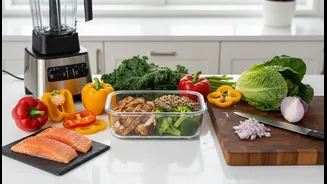
One of the biggest perceived barriers to home cooking is time. A little planning can completely dismantle this obstacle. Meal prepping doesn't have to mean a whole Sunday spent cooking. It can be as simple as chopping vegetables for the next two days, pre-cooking a batch of grains like quinoa or brown rice, or making a versatile gravy base that can be used for multiple meals. Having these components ready transforms a 30-minute cooking task into a 10-minute assembly job. This strategy provides healthy, ready-to-go options that make it easier to stick to your goals during a busy week.
Learn One-Pot and One-Pan Wonders
The thought of a mountain of dishes can be enough to deter anyone from cooking. This is why mastering simple, low-mess cooking methods is so effective. One-pot meals, like a hearty khichdi or a vegetable-packed pulao, and one-pan recipes, such as roasted vegetables with chicken or paneer, are your best friends on a busy night. These methods are efficient, require minimal cleanup, and are incredibly versatile. They prove that a nutritious, home-cooked meal doesn't have to be complicated or create a huge mess, making it a sustainable practice for daily life.