




The Joy and the Dilemma
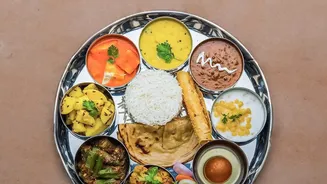
From Diwali's mithai and snacks to Eid's biryani and kebabs, food is the heart of celebration in India. It’s a language of love, tradition, and community. Yet, this abundance often creates a dilemma. We want to honour the occasion and the efforts of our hosts
by partaking in the feast, but this can lead to a cycle of overindulgence, followed by guilt, bloating, and lethargy. Many people feel that avoiding festive foods entirely is the only healthy option, but this can lead to feelings of deprivation and isn't a joyful way to celebrate. The goal shouldn't be restriction, but balance. It is entirely possible to enjoy traditional dishes while supporting your well-being.
Why Smaller Servings Are Smarter
The concept of portion control isn't about dieting; it's about mindful indulgence. Eating smaller portions has several immediate benefits. Firstly, it allows your digestive system to process food more efficiently, reducing the chances of indigestion, heartburn, and bloating that often follow a heavy meal. Secondly, it helps keep your blood sugar levels more stable, preventing the sharp spikes and subsequent crashes that can leave you feeling drained of energy. Perhaps most importantly for a festival, smaller servings allow you to sample a wider variety of dishes. Instead of filling up on one or two items, you can savour a little bit of everything, making the experience more enjoyable and diverse.
The Small Plate Strategy
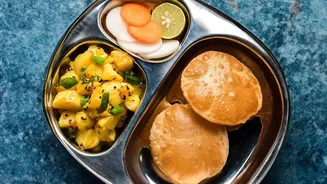
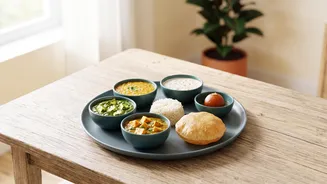
One of the most effective psychological tricks for managing portions is to change your dishware. Using smaller plates, like quarter plates, and smaller bowls (katoris) can make a modest serving look more substantial. This visual cue helps your brain feel satisfied with less food. When you face a buffet, this strategy is particularly useful. Instead of a large dinner plate, grab a smaller one. This physically limits how much you can take in one go and encourages you to be more selective. This simple swap can significantly reduce calorie intake without you feeling deprived.
Savour, Don't Swallow
Mindful eating is a powerful tool. In the excitement of a celebration, it’s easy to eat quickly without paying much attention to the food itself. Slowing down can make a world of difference. Try to chew each bite thoroughly, put your fork down between bites, and truly focus on the flavours and textures. This practice not only aids digestion but also gives your brain the 10-20 minutes it needs to register fullness signals. When you eat slowly and mindfully, you often find that you feel satisfied with much less food, as you are fully appreciating the experience.
Navigate the Feast Like a Pro
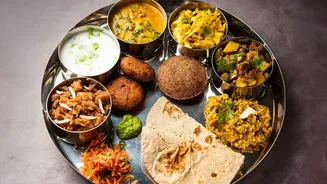
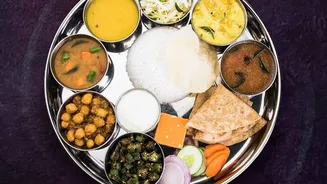
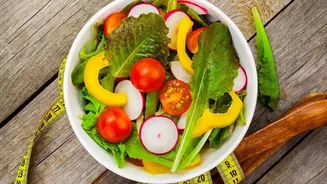
Before you even pick up a plate, take a walk around the buffet or dining table. Survey all the options and decide what you absolutely want to try. Prioritise your favourites instead of taking a bit of everything out of habit. A good rule of thumb is the half-plate rule: fill half your plate with salads or vegetables first. Then, dedicate one quarter to proteins like dal, paneer, or chicken, and the final quarter to carbohydrates like rice or roti. Also, stay hydrated. Often, we mistake thirst for hunger. Drinking water before and during the meal can help you feel fuller and prevent overeating.
Share the Sweetness
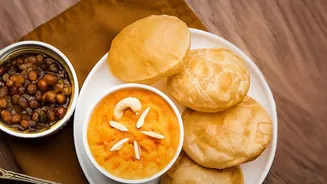
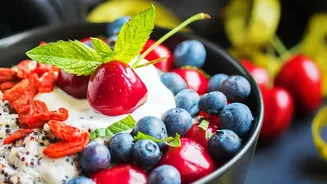
Indian festivals are incomplete without sweets, from gulab jamun to jalebi. Rather than denying yourself these treats, practice the 'one-sweet rule' or simply share. If you're eyeing a rich dessert, split it with a family member or friend. You still get to enjoy the delicious taste without consuming a full portion. This approach embodies the community spirit of festivals while being mindful of your health. If you are hosting, you can also offer healthier alternatives like fruit-based desserts or sweets made with natural sweeteners like dates or jaggery.