








The Problem with the 'Miscellaneous' Category
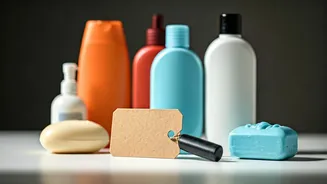
Many people toss their spending on face wash, deodorant, and cosmetics into a vague 'miscellaneous' category. The problem? This makes it impossible to see how much you’re actually spending. Tracking these recurring expenses is key to managing your finances
and gaining control. When you don't track them, these small, frequent purchases can easily lead to overspending and prevent you from reaching larger financial goals. Creating a specific budget for personal care transforms it from an afterthought into a planned, intentional part of your financial life.
Step 1: Track Your Spending
Before you can set a budget, you need a clear picture of where your money is going. For one to two months, keep a detailed log of every personal-care purchase. This includes everything from skincare and haircare to makeup, shaving supplies, and sanitary products. You can use a notebook, a spreadsheet, or a budgeting app. Tally up the total at the end of the period. This number might surprise you, but it’s your realistic starting point for building a budget that works.
Step 2: Assign Your Rupee a Job
Once you know your average monthly spend, it’s time to fit it into your overall budget. A popular method is the 50/30/20 rule, which allocates 50% of your after-tax income to 'Needs', 30% to 'Wants', and 20% to 'Savings'. Personal care can be tricky to categorise. Basic hygiene items like soap, toothpaste, and essential skincare are 'Needs'. However, premium serums, frequent salon trips, or high-end makeup likely fall into the 'Wants' category. Be honest with yourself and split the category accordingly. This ensures you cover essentials while also making conscious choices about discretionary spending.
Step 3: Find Smart Ways to Save
Budgeting doesn't mean deprivation; it means spending smarter. There are many ways to reduce your personal-care bill without feeling the pinch. Look for festive season sales and discounts to stock up on your favourite products. Consider buying larger-sized products, which often offer better value per millilitre and last longer. Multi-tasking products, like a moisturiser with SPF or niacinamide, can eliminate the need to buy multiple separate items. Before investing in a full-size product you're unsure about, try to find a mini or sample size first to see if it suits your skin and needs. Finally, don't be afraid to try more affordable brands, which often provide excellent quality without the luxury price tag.
Plan for Bigger, One-Off Purchases
What about more expensive, infrequent buys like a new hair straightener, an electric toothbrush, or a package of beauty treatments? These are considered non-recurring expenses and can wreck your monthly budget if unplanned. The solution is to create a 'sinking fund'. This involves setting aside a small amount of money each month specifically for a future purchase. By saving incrementally, you can afford the item without guilt or financial stress when the time comes. This proactive approach ensures that even larger personal-care costs are managed and accounted for, keeping your overall financial plan on track.