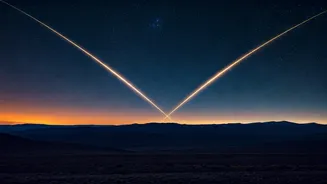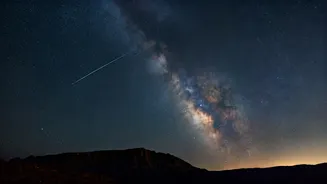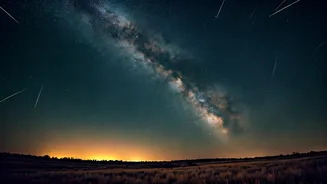



A Celestial Double Feature
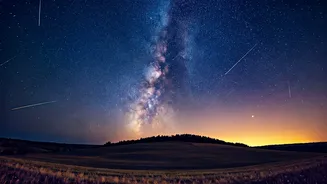
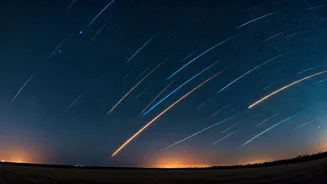
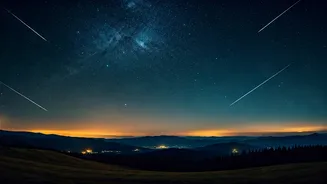
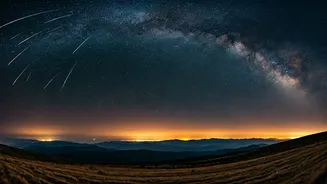
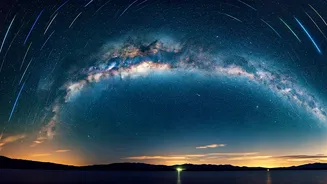
This July, the heavens will host a rare coincidence: the Southern Delta Aquariids and the Alpha Capricornids meteor showers are both set to reach their peak activity on the same nights. This celestial overlap means stargazers have the chance to witness
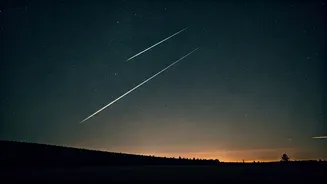
a 'twin' shower. The Southern Delta Aquariids are known for a steady stream of meteors, though they can be faint. The Alpha Capricornids, while less frequent, are famous for producing exceptionally bright and slow-moving fireballs. Together, they promise a dynamic display of cosmic fireworks across the night sky. The event is visible across India, offering a perfect excuse to step outside and connect with the cosmos.
Mark Your Calendar: Best Viewing Dates
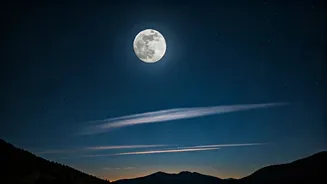
The prime time for this double meteor shower will be the night of July 30 and into the pre-dawn hours of July 31, 2026. This is when both the Southern Delta Aquariids and Alpha Capricornids are predicted to reach their maximum activity. While the showers are active for a longer period—from mid-July to late August—this peak window is your best bet for seeing the most meteors. However, there is a significant challenge this year: a very bright moon, at 98% fullness, will be present in the sky. This moonlight will wash out many of the fainter meteors, making viewing more difficult. Despite this, the potential to see bright fireballs from the Alpha Capricornids remains a major draw.
Finding the Perfect Viewing Spot
The key to a successful meteor shower experience is finding a location with dark skies, far from the light pollution of cities. For those in urban areas, this might mean a short drive to the outskirts of town. Ideal locations include national parks, open fields, or hilltops with an unobstructed view of the sky, particularly towards the south. In India, destinations known for dark skies include Ladakh, Spiti Valley, parts of the Thar Desert in Rajasthan like Jaisalmer, and Coorg in the south. Even if you can't travel, a dark terrace, rooftop, or balcony away from streetlights can still offer a rewarding experience. The main goal is to minimise artificial light as much as possible.
How to Watch: Tips for Success
Meteor watching requires no special equipment—your eyes are the best tool for the job. Telescopes and binoculars have narrow fields of view that are unsuitable for catching the random streaks of meteors. The most important step is to allow your eyes to adapt to the darkness, which can take about 20-30 minutes. During this time, avoid looking at your phone or any other bright light. If you need a light source, use a torch with a red filter, as red light is less disruptive to your night vision. Find a comfortable position, either lying on a blanket or reclining in a chair, so you can look up at a large portion of the sky without straining your neck. Then, just be patient and watch.
What to Expect from Each Shower
While happening at the same time, the two showers have distinct characteristics. The Southern Delta Aquariids, originating from Comet 96P/Machholz, are typically faster and fainter. Expect to see up to 25 meteors per hour under perfect, dark-sky conditions, though the bright moon will reduce this number. The Alpha Capricornids, debris from Comet 169P/NEAT, are much slower and less frequent, with only about 5 meteors per hour. However, their claim to fame is producing slow, spectacular fireballs that can be bright enough to overcome the moonlight. Spotting the difference can be part of the fun: look for faster, fainter streaks (Delta Aquariids) versus slower, brilliant ones (Alpha Capricornids).