



1. Prioritise Smart, Multi-Functional Furniture
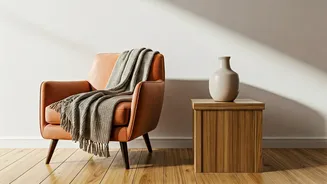
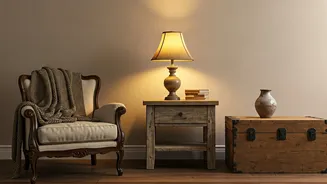
In a small home, every piece of furniture must earn its place. Vintage items are often built with incredible craftsmanship and can serve multiple roles. Think of a sturdy wooden trunk that doubles as a coffee table and a storage unit for blankets, or a vintage
writing desk that can also be a compact dining spot or vanity. By choosing pieces with purpose, you reduce clutter and add a layer of history. Look for items like nesting tables, foldable chairs, or sideboards that offer both surface area and hidden storage. This approach ensures your home is functional without feeling crowded.
2. Embrace the Power of Mirrors and Light
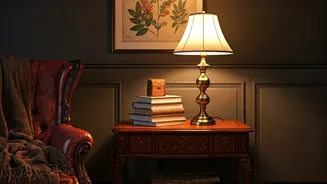
One of the oldest tricks in the design book is also one of the most effective: use mirrors to create an illusion of space. Vintage mirrors, with their often ornate and beautifully crafted frames, do more than just reflect a room; they act as works of art. Place a large vintage mirror opposite a window to bounce natural light around the room, making it feel brighter and more expansive. Similarly, vintage lighting fixtures can transform a room's atmosphere. Instead of harsh overhead lighting, opt for antique table lamps or wall sconces that cast a warm, inviting glow, making corners feel deliberate and cosy rather than dark and forgotten.
3. Layer Textures and Warm Materials
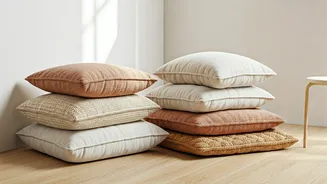
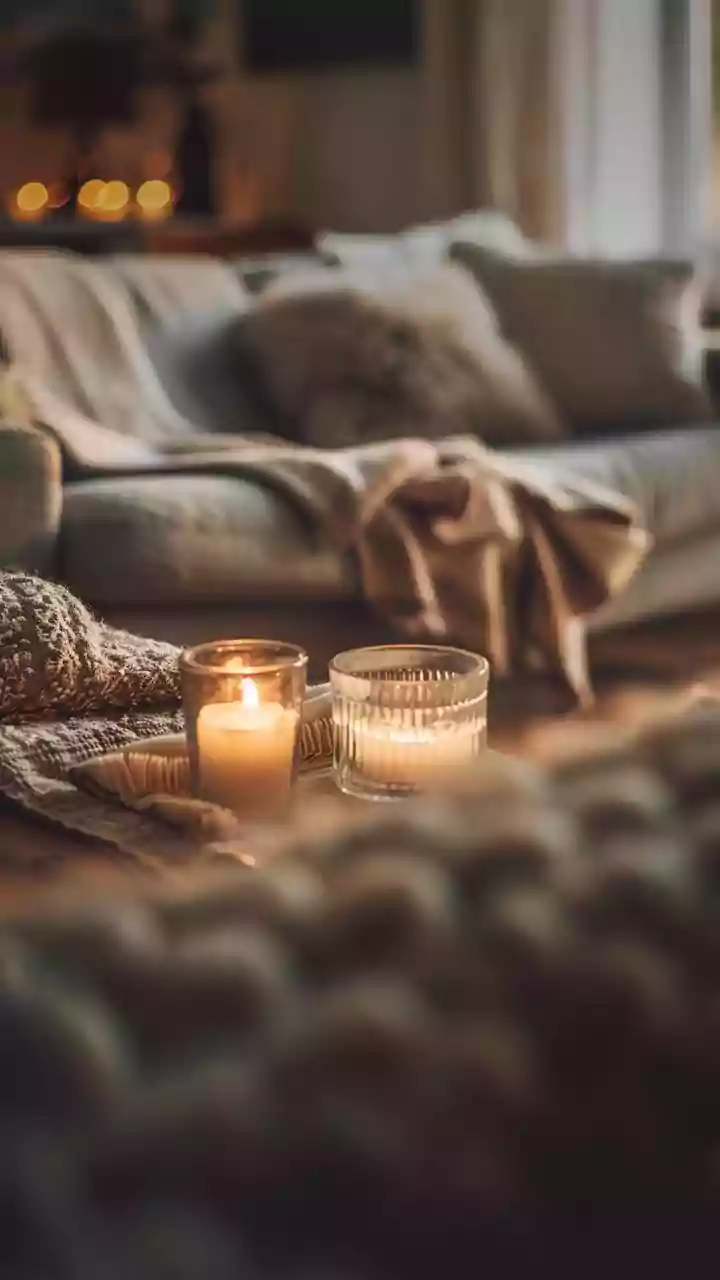
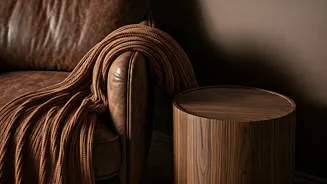
Cosiness is all about texture. Vintage décor provides a fantastic opportunity to layer different materials that add warmth and depth. Mix the aged patina of wood with the softness of a well-worn vintage rug or the richness of velvet cushions. Textiles like hand-stitched throws, linen curtains, or patterned rugs tell a story and make a space feel lived-in and comfortable. Don’t be afraid to mix different wood tones; combining pieces from different eras creates a curated, collected look rather than a flat, matching set. This layering prevents a room from feeling sterile and gives the eye plenty to enjoy.
4. Get the Scale Right
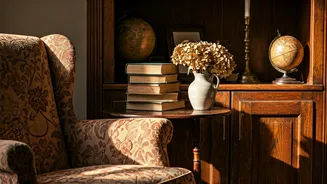
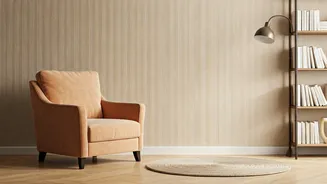
A common mistake in decorating small spaces is using furniture that is too small, which can make a room feel cluttered and disjointed. Conversely, a single oversized vintage piece can overwhelm the space. The key is balance. Choose one or two 'anchor' pieces, like a beautiful vintage armchair or a unique cabinet, and let them be the focal point. Build the rest of the room around them with smaller, complementary items. This creates a clear visual hierarchy and makes the room feel intentional and well-designed, not just full of stuff. Always measure your space and your prospective furniture to ensure a harmonious fit.
5. Curate, Don't Clutter
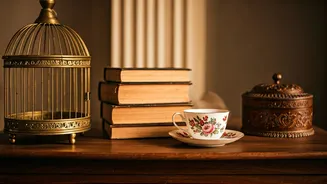
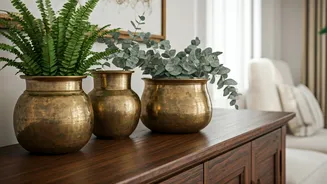
The goal of using vintage items is to add character, not to create a museum. It's easy to fall into the trap of collecting too many things, which can make a small home feel chaotic. Embrace a 'less is more' philosophy by carefully selecting pieces that you truly love and that tell your story. Use open shelving to display a few cherished items—like old books, vintage cameras, or unique vases—rather than filling every surface. This intentional curation ensures that your vintage pieces stand out and contribute to a feeling of calm and personality, rather than adding to visual noise.
6. Create a Personal Gallery Wall
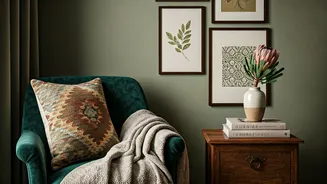
A gallery wall is a perfect way to add personality without taking up floor space. Mix and match vintage finds to create a display that is uniquely yours. Combine antique frames of different sizes and shapes, old botanical prints, black-and-white family photographs, and perhaps a small, interesting mirror. This not only draws the eye upward, creating a sense of height, but it also turns a blank wall into a meaningful feature that tells the story of your home and your tastes.