






From Off-Season to In-Demand
The perception of India's monsoon as a travel off-season is quickly becoming a thing of the past. Hospitality and travel companies are now reporting a significant surge in bookings during the rainy months, transforming what was once a quiet period into
a high-demand season. This trend marks a structural shift in domestic leisure travel, which is no longer confined to the traditional summer and winter peaks. According to travel platform Scapia, some destinations like Munnar and Mussoorie have seen a nearly tenfold increase in hotel bookings compared to last year. Major hotel chains are also seeing the benefits; Radisson Hotel Group, for instance, reported that July bookings are pacing nearly 10% ahead year-on-year, reinforcing the monsoon's new status as a preferred travel period.
The Allure of the Rains
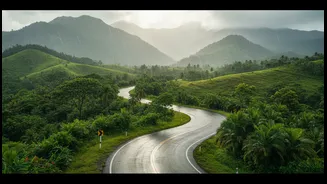
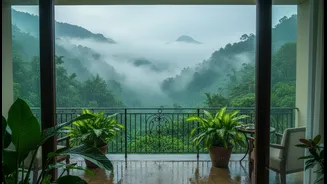
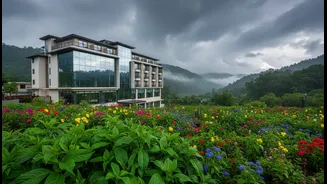
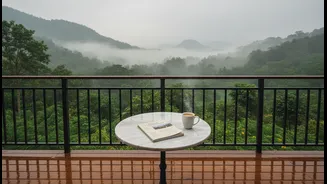
So what's driving this downpour of interest? The answer lies in a growing desire for unique, experience-led travel. Travellers are actively seeking the dramatic transformation of the landscape: mist-covered hills, overflowing waterfalls, and vibrant greenery that can only be witnessed during this time. This shift goes beyond sightseeing, with many travellers looking for wellness, cultural, and nature-based activities. Instead of crowded landmarks, visitors are opting for the peace and authenticity of a rain-soaked getaway. The appeal is also practical; while prices in popular spots like Goa are becoming more resilient due to demand, the monsoon has traditionally offered better value and fewer crowds.
Top Monsoon Havens
Certain regions truly come alive during the monsoon. The Western Ghats are a prime destination, with hill stations in Maharashtra and Kerala seeing a massive influx of visitors. Lonavala, Mahabaleshwar, Munnar, Coorg, and Wayanad have recorded growth of about seven times in hotel bookings. These areas offer breathtaking views of lush valleys, coffee plantations, and powerful waterfalls. Even the desert state of Rajasthan offers a unique monsoon experience, with destinations like Udaipur and Mount Abu seeing their lakes replenished and landscapes turning green. In the north, hill stations in Himachal and Uttarakhand such as Mussoorie, Nainital, and Shimla also report significant growth in hotel bookings.
What Hotels and Travellers Are Doing Differently
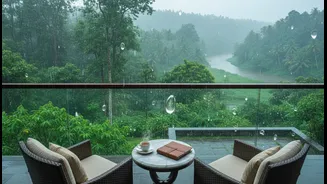
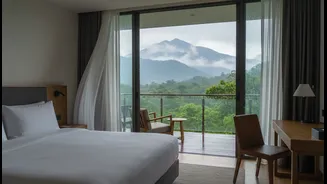
Hotels are responding to this trend with creativity, curating special packages and experiences designed for the season. These range from wellness packages focused on Ayurveda, which is considered especially effective in the monsoon climate, to culinary offerings featuring seasonal comfort foods. Many resorts are promoting indoor recreational facilities and rooms with panoramic windows to maximize the auro of the rain. Travellers, for their part, are becoming more spontaneous, with a notable increase in last-minute bookings. Nearly half of all bookings on some platforms are made within three days of travel, indicating a trend towards short, impromptu getaways to enjoy the rains. There is also a greater emphasis on sustainability, with authorities and travellers more conscious of protecting these natural attractions.