





An Unconventional Choice
For decades, the conventional wisdom for rainy season travel has been clear: avoid the mountains. The risks of landslides, blocked roads, and relentless downpours kept most tourists away, who preferred the gentle monsoons of the south or stayed home.
But that perception is rapidly changing. A growing number of travellers are now seeking the unique solitude and beauty that only the Himalayas can offer in monsoon, trading crowded hotspots for mist-laden valleys and the smell of wet earth. This shift is driven by a desire for offbeat destinations and nature-based experiences, away from the usual summer rush.
The Allure of a Greener, Quieter World
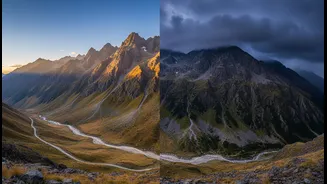
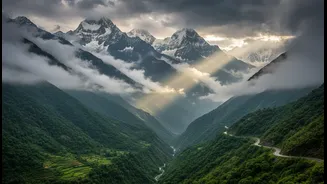
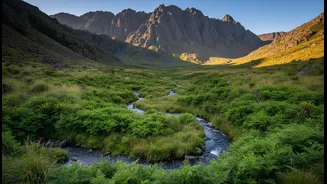
So, what's behind this mountain magnetism? The monsoon transforms the Himalayas into a paradise for the senses. Valleys and meadows, often stark and brown in other seasons, burst into vibrant shades of green. Waterfalls, mere trickles in drier months, come roaring back to life. The air is crisp and clean, and the constant play of mist and clouds creates a dramatic, ever-changing landscape that is a dream for photographers and nature lovers. Perhaps the biggest draw is the peace and quiet. With fewer tourists, popular trails and villages offer a more authentic and personal experience, allowing for a deeper connection with the local culture and the serene environment.
Destination Spotlight: The Rain Shadow Advantage
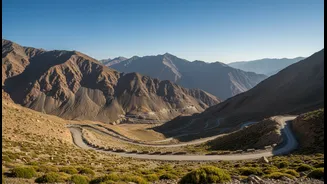
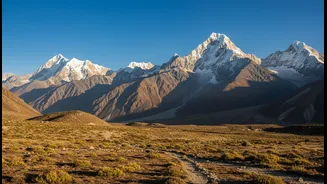
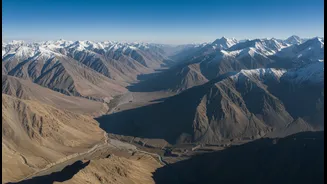
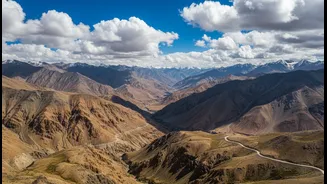
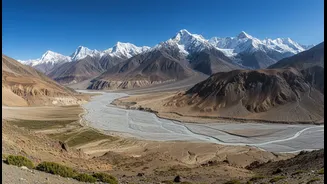
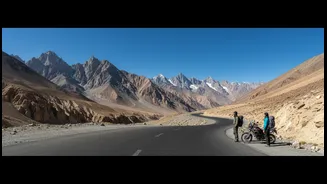
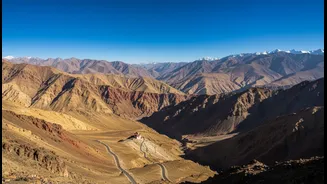
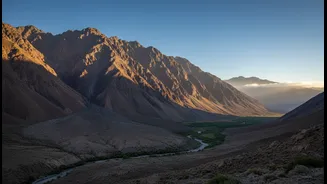
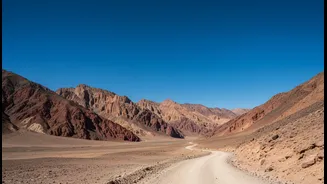
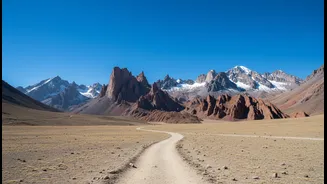
While the idea of visiting the Himalayas in the rain seems counterintuitive, the secret lies in geography. Many of the most popular monsoon destinations are in the 'rain shadow' of the main Himalayan range. Places like Ladakh and the Spiti Valley in Himachal Pradesh are high-altitude cold deserts that receive very little rainfall because the monsoon clouds are blocked by the towering peaks. This makes them ideal for travel between July and September, offering clear skies, warm days, and accessible roads while the rest of the country is drenched. For those who do want to experience the rain, treks like the Valley of Flowers in Uttarakhand are at their absolute peak, with thousands of alpine flowers blooming in a spectacular display of colour. The Hampta Pass trek offers a dramatic crossover from the lush, rainy Kullu Valley to the arid landscape of Lahaul.
A Reality Check on Safety
While the romance of a monsoon mountain trip is undeniable, it's essential to be realistic about the risks. Landslides are a genuine concern, and road blockades can cause significant delays. The key is to be smart and prepared. Avoid travelling to areas in lower Himachal and Uttarakhand that are known to be prone to landslides during peak monsoon. Always check weather forecasts and local advisories before and during your trip. Travelling with an experienced local driver who understands the road conditions is crucial. It’s also wise to choose well-known routes and avoid venturing onto unknown trails without a guide, especially during heavy rain.
Your Monsoon Mountain Checklist
Proper preparation can make the difference between a memorable adventure and a miserable experience. First, pack the right gear. Waterproof jackets, pants, and shoes are non-negotiable. Opt for synthetic, quick-drying clothes over cotton, which retains moisture. Pack extra layers, as temperatures can drop, and keep your electronics safe in waterproof bags. Second, build flexibility into your itinerary. Keep a buffer day or two in your plan to account for potential road closures or delays. Finally, listen to the locals. Their knowledge of the terrain and weather patterns is invaluable for ensuring a safe and enjoyable journey.