



Why Go Vertical? The Benefits of Hanging Planters
The most obvious advantage of hanging planters is their ability to save precious floor and counter space. In compact apartments and cosy rooms where every square inch matters, looking up offers a new frontier for decoration. By drawing the eye upward,
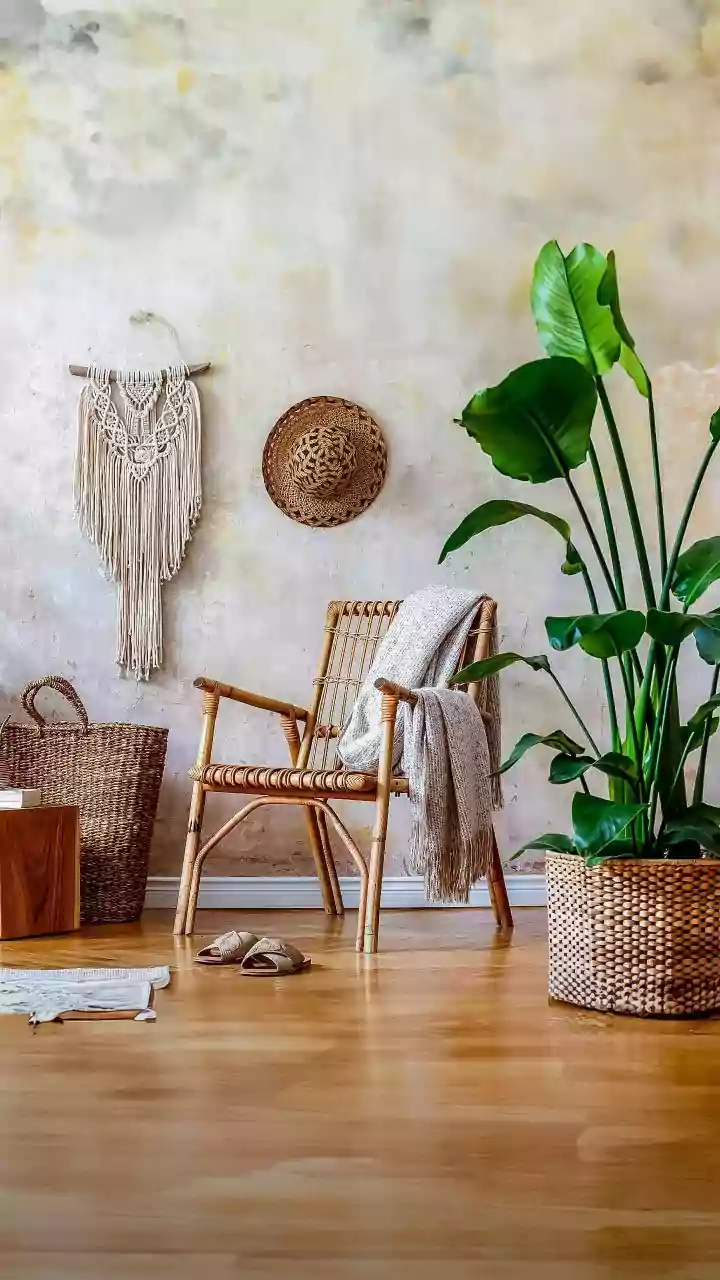
hanging plants add height and dimension to a room, making it feel more open and dynamic. Beyond aesthetics, indoor plants are natural air purifiers, known to filter common household toxins and improve air quality. Placing them at different levels can even enhance air circulation. This approach allows you to enjoy all the wellness benefits of greenery, like reduced stress and a greater connection to nature, without the clutter.
Choosing Your Planter: A Style for Every Space
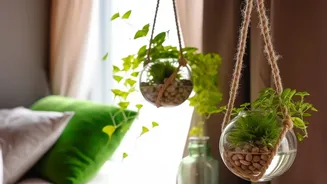
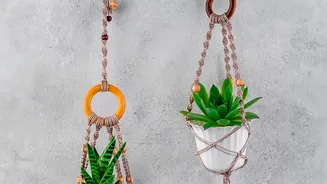
Hanging planters come in a wide variety of materials and styles, allowing you to find the perfect match for your home's decor. Macrame hangers, often made of cotton or jute, offer a classic bohemian touch that adds warmth and texture. Ceramic pots bring an earthy, handcrafted feel, while sleek metal or minimalist planters are perfect for modern interiors. For those who are busy or new to plant care, self-watering hanging planters are a game-changer. These designs feature a built-in reservoir that provides a steady supply of moisture to the plant's roots, reducing the frequency of watering. When choosing, consider the weight of the planter and the plant, ensuring your chosen spot can support it.
The Perfect Plants for Hanging
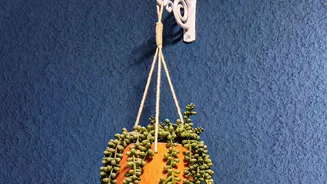
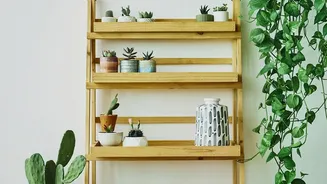
Not all plants are destined for a life on the shelf. Trailing or cascading plants are ideal for hanging baskets as their vines will spill beautifully over the sides. Some of the most popular and forgiving choices for Indian homes include the Golden Pothos (Money Plant) and the Heartleaf Philodendron. Both are famously low-maintenance and can tolerate a range of light conditions. The Spider Plant is another excellent choice, known for its air-purifying qualities and distinctive arching leaves that produce tiny 'spiderettes'. For a more unique look, consider the String of Pearls or String of Hearts, which have delicate, trailing stems that create a stunning visual effect. Many of these varieties are well-suited to the varied climates across India.
Smart Placement: Where to Hang Your Greens
The versatility of hanging planters means you can get creative with placement. An empty corner can be instantly transformed into an eye-catching green feature. Hanging plants near a window can create a beautiful 'green curtain' effect, offering a bit of privacy and a lovely view from inside. In an open-plan living area, a row of hanging plants can act as a natural, airy room divider, defining the space without blocking light. Consider spots you might not have thought of, such as above a kitchen sink using a tension rod, in a hallway, or framing a doorway. Just be sure to hang them in low-traffic areas where they won't get bumped into as they grow.
Installation 101: Hanging With Confidence
Safely installing your hanging planter is crucial. The most secure method is to drill a hook directly into a ceiling joist or wooden beam. You can find joists using a stud finder. For drywall ceilings where a joist isn't available, you'll need to use a toggle bolt anchor to ensure the hook can handle the weight of the planter, especially after watering. Always choose hooks that are rated to hold more weight than you plan to hang. If you're renting or prefer a no-drill solution, you can use heavy-duty tension rods in window frames or alcoves for lightweight plants. Wall-mounted brackets are another great option that can be installed securely into studs for heavier pots. When in doubt, it's always best to err on the side of caution for a secure setup.