





The Enduring Power of Tradition
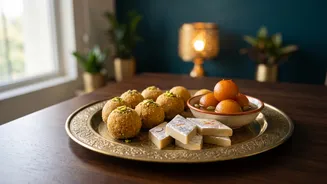
For generations, Diwali has been synonymous with traditional mithai. Sweets like Kaju Katli, Motichoor Ladoo, Gulab Jamun, and Soan Papdi are not just desserts; they are emotion and nostalgia served on a platter. These sweets are deeply woven into the fabric
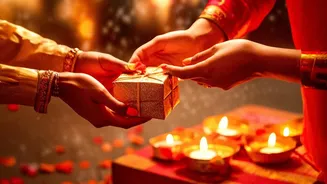
of the festival, used as offerings during puja, exchanged as tokens of love and respect, and shared in family gatherings. Their popularity endures because they connect people to cultural memory and identity. For many, the taste of a homemade besan ladoo or the syrupy warmth of a gulab jamun is the very essence of Diwali, a flavour that has been passed down through generations.
The Rise of the Modern Contenders
In recent years, the dessert table has seen new entrants. Chocolates, cakes, macarons, and cheesecakes are increasingly popular, especially among younger, urban consumers. This shift is driven by a number of factors, including global exposure, a desire for novelty, and the visual appeal of modern desserts that are perfect for social media. Brands are now offering everything from chocolate truffle cakes to gourmet dessert jars, catering to an evolving Indian palate that is more experimental. Gifting trends also reflect this change, with many opting for artisanal chocolates and beautifully packaged modern treats.
The Best of Both Worlds: Fusion is the Future
The most interesting trend, however, is not a replacement of the old with the new, but a creative blending of both. The Indian sweets industry is experiencing a renaissance through fusion creations. Think Rasmalai Tres Leches, Motichoor Ladoo cheesecake, Kaju Marzipan Bonbons, and even Gulab Jamun cupcakes. These innovative sweets offer the comforting nostalgia of traditional flavours with the sophisticated textures and presentation of modern desserts. This 'new mithai' is attracting consumers who want the soul of tradition in a contemporary form, proving that the market is not a battle between mithai and dessert, but a canvas for delicious innovation.
A Health-Conscious Shift
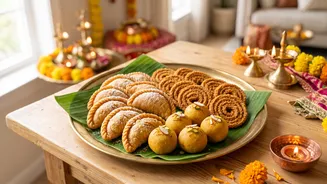
Another powerful force shaping Diwali choices is a growing focus on health and wellness. Many consumers are now seeking healthier alternatives to sweets laden with refined sugar and ghee. This has led to a surge in demand for sugar-free, jaggery-based, vegan, and gluten-free mithai. Traditional sweets are being reinvented with ingredients like ragi, dates, nuts, and whole grains. Baked versions of fried classics, such as baked gujiya or gulab jamun, are also gaining traction. This trend allows people to indulge in festive treats without compromising their dietary goals.
The Verdict: An Expanding Platter
So, what are Indians ultimately choosing? The answer is not a simple 'either-or'. The choice between traditional mithai and modern desserts often depends on the generation and the occasion. Baby Boomers may remain loyal to classic sweets, while Millennials embrace a hybrid approach and Gen Z looks for aspirational, shareable treats. Ultimately, the Indian dessert plate for Diwali is not shrinking; it's expanding. Consumers are gravitating towards curated hampers that offer a mix of traditional mithai with a modern twist, savouries, and even artisanal chocolates. This suggests a palate that values both heritage and innovation.