




From Forgotten Grain to Wellness Star
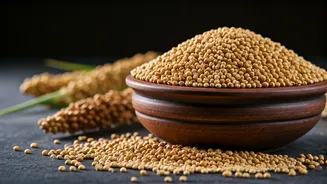
For generations, jowar was primarily known in the form of bhakri or roti, a rustic flatbread common in rural India. While always valued for its resilience as a crop, it was largely overshadowed by wheat and rice, especially in urban diets. But now, a major
shift is underway. Labelled by some as the “new quinoa,” jowar is being celebrated for its versatility and impressive nutritional profile. This resurgence is driven by a growing awareness around mindful eating, gluten-free lifestyles, and a desire to reconnect with indigenous foods. It’s no longer just a farmer's staple; it’s a wellness ingredient appearing in trendy cafes and modern kitchens across the country.
A Nutritional Powerhouse for Modern Life
So, what’s behind jowar’s glow-up? The health benefits are compelling. Firstly, it is naturally gluten-free, making it an excellent alternative for those with celiac disease or gluten sensitivity. It's packed with high-quality dietary fibre, containing significantly more than rice or even some other millets. This high fibre content aids digestion, promotes a feeling of fullness that can help with weight management, and helps regulate blood sugar levels, making it a diabetic-friendly choice. Furthermore, jowar is a rich source of protein, essential minerals like iron, magnesium, and phosphorus, and B vitamins. The iron and copper in jowar work together to improve blood circulation and haemoglobin levels, while its magnesium content supports bone health.
Reinventing the Morning Meal
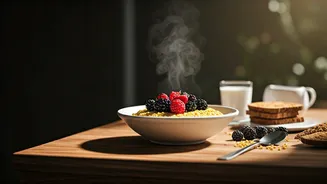
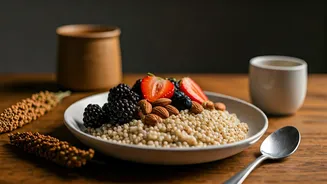
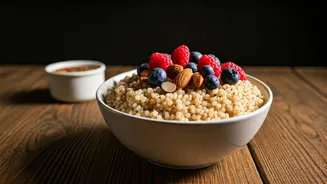
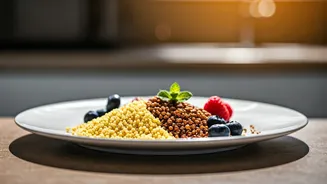
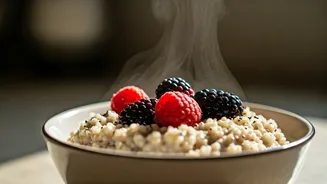
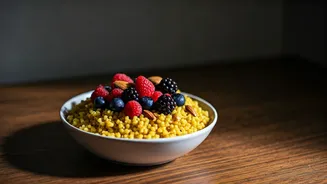
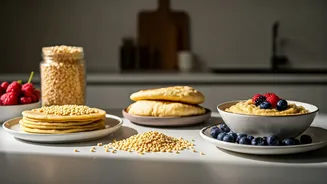
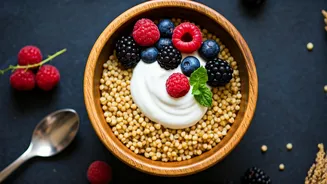
The real excitement lies in how jowar is being adapted for the modern breakfast table. Forget limiting it to just rotis. The grain's mild, slightly nutty flavour makes it incredibly versatile. You can start your day with a warm bowl of jowar porridge, topped with fresh fruits and nuts for a fibre-rich meal. Jowar flour can be used to create fluffy, savoury pancakes or cheelas, packed with finely chopped vegetables. It also makes for a fantastic gluten-free upma, offering a healthier twist on the classic semolina dish. You can even whip up crispy dosas or soft idlis using jowar flour, perfect for a South Indian-inspired breakfast. For those on the go, adding jowar flour to smoothies can provide a sustained energy boost without the sugar crash associated with refined grains.
How to Get Started with Jowar
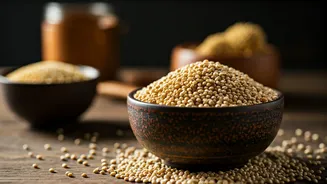
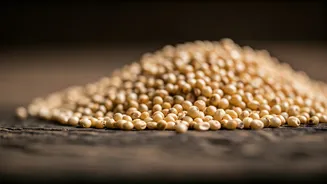
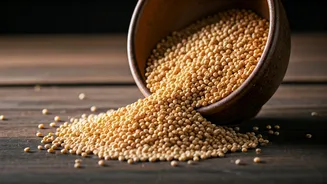
Incorporating jowar into your breakfast routine is simple. Jowar flour is widely available, and you can also find whole jowar grains and jowar flakes. When starting, you don't have to make a complete switch. Try blending jowar flour with your regular whole wheat atta to get accustomed to the taste and texture. For recipes like upma or porridge, whole jowar grains need to be soaked overnight to soften them before cooking. If you're short on time, instant jowar dosa, idli, or pancake mixes are becoming increasingly popular. The key is to experiment. Pair your jowar dishes with flavourful chutneys, yogurt, or fresh toppings to make your morning meal both nutritious and delicious.