



An Ancient Secret, Now a Modern Trend
The use of rice in beauty is not a new phenomenon. For centuries, it has been a cornerstone of Asian beauty rituals. Historical accounts show that women in the imperial court of Japan during the Heian period (794-1185 AD) used rice water to achieve flawless
complexions and long, healthy hair. This tradition, born from observing the soft hands of sake brewers, recognised the nourishing power of rice long before modern science could explain it. Today, with the global rise of K-beauty and J-beauty, this ancient practice has been revived and is gaining immense popularity worldwide. The global market for rice-based skincare products is projected to grow significantly, reflecting a major consumer shift towards clean, plant-based ingredients with a history of efficacy.
The Science Behind the Glow
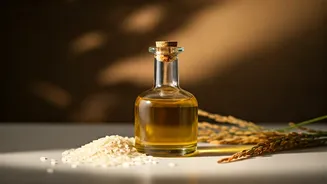
So, what makes this simple grain so effective? Rice and its derivatives, like rice water and rice bran oil, are packed with skin-loving nutrients. These include amino acids, which are the building blocks of protein that help strengthen the skin's barrier, and a wealth of vitamins like B and E. Rice is also rich in antioxidants such as ferulic acid and gamma-oryzanol. These compounds help protect the skin from free radical damage caused by UV rays and pollution, which can lead to premature ageing. Another key component is kojic acid, a by-product of fermented rice, which is known for its ability to brighten skin and reduce hyperpigmentation by inhibiting melanin production. When rice water is fermented, its nutrient profile becomes even more potent and easier for the skin to absorb.
Key Benefits for Skin and Hair
Incorporating rice-based products into your routine can offer a wide range of visible benefits. For skin, it's celebrated for its brightening effects, helping to fade dark spots and even out skin tone. Its hydrating properties help replenish moisture, leaving skin feeling plump and dewy. The anti-inflammatory nature of rice makes it excellent for soothing irritation and redness, which is beneficial for sensitive skin or conditions like eczema. Studies have even shown it can help repair skin barrier damage caused by harsh ingredients like sodium lauryl sulfate (SLS). For hair, rice water can strengthen strands, reduce breakage, improve shine, and promote growth thanks to a carbohydrate called inositol. Its antifungal properties may also help in managing dandruff.
DIY vs. Store-Bought Solutions
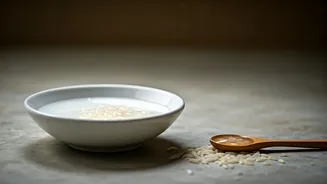
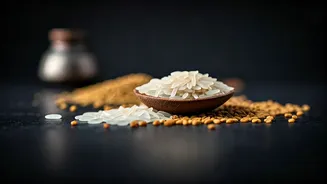
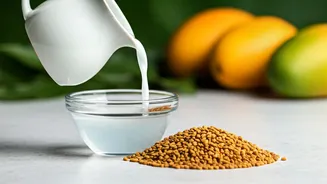
One of the most appealing aspects of this trend is its accessibility. You can easily make rice water at home by simply soaking or boiling rice and collecting the starchy water. To make it, rinse half a cup of uncooked rice, then soak it in about two to three cups of water for 30 minutes before straining. For a more potent version, you can let this water sit at room temperature for a day to ferment. While DIY is a great, cost-effective option, there are advantages to using professionally formulated products. Commercial products offer stability, controlled concentrations, and are often combined with other beneficial ingredients like niacinamide or hyaluronic acid to enhance their effects. When shopping, look for terms like "Oryza Sativa (Rice) Bran Water," "Rice Ferment Filtrate," or "Oryza Sativa Extract" on the ingredients list.