





An Authentic Arabian Alternative
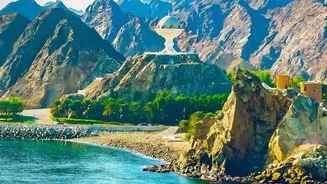
For years, the Middle East has been synonymous with the towering skyscrapers and lavish lifestyles of cities like Dubai. But for travellers seeking something more authentic, Oman presents a compelling alternative. It's a country where ancient traditions
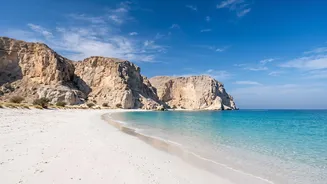
are woven into the fabric of modern life, offering a rich cultural tapestry alongside dramatic landscapes of mountains, deserts, and pristine coastlines. Unlike its neighbours, Oman has focused on preserving its heritage, making it a haven for those who want to experience genuine Bedouin hospitality and explore historical sites that have stood for centuries. The country is known for its safety, welcoming locals, and a pace of life that invites exploration. It’s a destination that rewards the curious, especially those looking to understand a different side of the Arabian Peninsula, one that prioritises substance over sparkle.
Wadi Shab: A Natural Waterpark in the Mountains
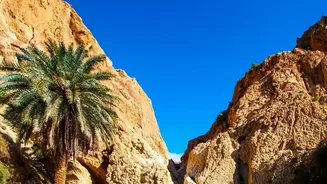
One of Oman's crown jewels for adventure seekers is Wadi Shab, a stunning canyon just a 90-minute drive from the capital, Muscat. The journey begins with a short boat ride across a river, costing just 1 Omani Rial per person for a return trip. From there, a 40-minute hike takes you through a dramatic gorge, past date palms and rocky ledges. The trail leads to a series of crystal-clear, emerald-green freshwater pools, perfect for a refreshing swim. The true highlight for many is the hidden waterfall inside a cave, accessible only by swimming through a narrow opening. This natural waterpark experience is largely free, making it a top stop for budget travellers. It’s advisable to wear sturdy shoes for the hike and to arrive early to avoid the midday heat and crowds. The optimal time to visit is between October and April when the weather is pleasant.
A Journey Through Time at Nizwa and Bahla Forts
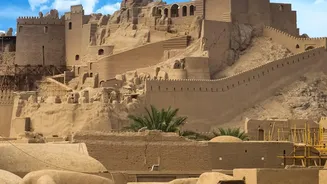
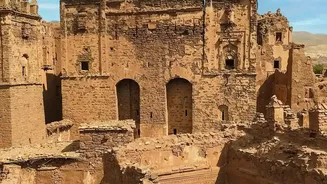
Oman’s history is best explored through its magnificent forts, and Nizwa and Bahla are two of the most impressive. Nizwa, a former capital, is home to a massive 17th-century fort with a colossal circular tower offering panoramic views. The entrance fee is around 5 OMR. Adjacent to the fort is the bustling Nizwa Souq, a traditional market famous for its silver handicrafts, spices, and a lively Friday cattle market. A short drive away lies Bahla Fort, a UNESCO World Heritage site and one of the oldest and largest forts in Oman. Its sprawling mud-brick walls and towers tell a story of ancient defensive architecture. These forts are not just relics; they are gateways to understanding the country’s proud past and offer a tangible connection to its historical significance as a trading and cultural crossroads.
How to Explore Oman on a Budget
Oman can be a surprisingly affordable destination with some smart planning. For accommodation, look beyond luxury resorts to find budget-friendly guesthouses and simple hotels in towns like Nizwa and Sur, which are often cheaper than in Muscat. Food is another area where you can save significantly. Avoid tourist-centric hotel restaurants and instead eat at local 'coffee shops'—small eateries serving delicious and inexpensive Indian, Pakistani, and Omani dishes like shawarma, biryani, and grilled meats for just a few Rials. While public transport between major cities exists via Mwasalat buses, renting a car is often the most cost-effective and flexible way to explore, especially if you are travelling in a group. This allows you to visit wadis and forts at your own pace without the expense of guided tours.
Essential Travel Information for Today
For Indian citizens, visiting Oman is straightforward. Many can obtain an eVisa online before travelling, with a passport valid for at least six months being a key requirement. Some travellers holding valid visas from the US, UK, Schengen countries, Canada, Australia, or Japan may be eligible for a 14-day visa on arrival. However, it's crucial to check the latest rules on the official Royal Oman Police portal before your trip, as regulations can change. The best time to visit for outdoor activities like hiking in wadis is during the cooler months, from October to April, when temperatures are comfortable. Local customs should be respected; modest dress is recommended, especially when visiting mosques and in more rural areas. The local currency is the Omani Rial (OMR), and while cards are accepted in cities, carrying cash is essential for small shops, local eateries, and entrance fees like the boat at Wadi Shab.