






Beyond the Bin: What is Source Segregation?
At its core, waste segregation is the simple practice of separating your household trash before it's collected. Instead of one bin for everything, you divide waste into distinct categories. In the Indian context, this typically means three streams as mandated
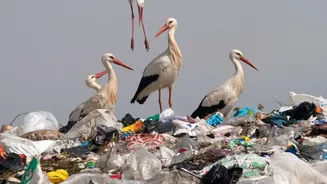
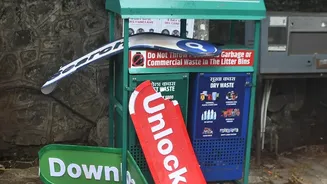
by the Solid Waste Management Rules. First is wet waste (green bin), which includes all organic material like vegetable peels, leftover food, and garden trimmings. Second is dry waste (blue bin), which covers paper, plastics, glass, and metal. The third category is domestic hazardous waste (red bin), for items like sanitary napkins, diapers, expired medicines, and batteries, which need careful disposal. This initial sort at the source is the single most critical step in the entire waste management chain. When wet and dry waste are mixed, the entire load becomes contaminated, making recycling nearly impossible and sending valuable resources straight to the landfill.
The Magic of Compost: From Kitchen Scraps to 'Black Gold'
Around 50-60% of the trash generated in Indian households is organic or 'wet' waste. When this is properly segregated, it unlocks a powerful opportunity: composting. Many forward-thinking apartment complexes now have dedicated community composting pits or use automated composting machines that can convert large amounts of organic waste into nutrient-rich manure in a short time. This 'black gold' can then be used to nourish the society’s gardens, parks, and even residents' potted plants, creating a perfect circular system. This process drastically reduces the volume of waste sent to landfills, which in turn cuts down on the emission of methane, a potent greenhouse gas produced by rotting organic matter. Communities that embrace composting not only manage their waste effectively but also beautify their surroundings and reduce their carbon footprint.
Unlocking Value: The Second Life of Dry Waste
When dry waste like paper, cardboard, plastic bottles, and glass is kept separate and clean, it ceases to be 'trash' and becomes a valuable resource. Segregated dry waste has a much higher potential for recycling. This clean material can be sold to scrap dealers or given to recycling agencies, sometimes even generating a small revenue stream for the residential society. This practice supports the livelihoods of waste pickers and formal recyclers who depend on this material. By ensuring that these items re-enter the production cycle, communities actively participate in building a circular economy. This reduces the strain on virgin resources and conserves energy, as making products from recycled materials is far less intensive than creating them from scratch.
A Cleaner and Healthier Community
The benefits of segregation are not just environmental; they are immediate and tangible for residents. When wet waste is managed daily through composting, common garbage collection points are no longer filled with foul-smelling, rotting refuse. This significantly improves hygiene, reduces the presence of pests like rodents and flies, and makes common areas more pleasant for everyone. For sanitation workers, collecting segregated waste is safer and more dignified. They no longer have to manually sort through mixed, unhygienic garbage, which often contains hazardous materials like broken glass or sanitary waste. This creates a healthier work environment for them and a cleaner living space for all residents.
Fostering a Culture of Sustainability
Perhaps the most profound transformation is social. When a housing society collectively decides to manage its waste, it fosters a shared sense of purpose and responsibility. It becomes a common project that unites residents, from children to senior citizens. Awareness drives, training for housekeeping staff, and friendly competitions can turn waste segregation into a community-wide habit. Success stories from cities like Mumbai, Bengaluru, and Gurugram show how resident-led initiatives have turned their complexes into zero-waste models, inspiring neighbouring societies to follow suit. This collective action does more than just manage waste—it builds a strong, conscious, and proactive community proud of its green credentials.