





A Push for Parity in Passenger Safety
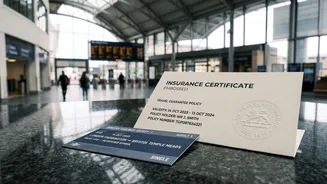
The primary reason for this significant policy shift is a directive from the Supreme Court of India. In a landmark order, the court mandated that the optional travel insurance, previously exclusive to passengers booking online via the IRCTC portal or app,
must also be made available to those who purchase tickets at physical counters. The deadline for this implementation has been set for October 27, 2026. This decision aims to eliminate the disparity between online and offline passengers, ensuring that access to a digital platform does not determine a traveller's ability to secure financial protection. The issue gained prominence during court proceedings related to the tragic 2023 Odisha train accident, which highlighted the urgent need for comprehensive safety measures for all passengers.
Covering the Uncovered Millions
A massive segment of the Indian population, particularly in semi-urban and rural areas, relies on unreserved counter tickets for their daily commute and long-distance travel. These passengers, who often belong to lower-income groups and may have limited access to digital payment methods or smartphones, were previously excluded from the insurance scheme. By extending the facility to counter tickets, Indian Railways is making a crucial welfare provision more inclusive. The move acknowledges that the risk of a travel mishap is identical for every passenger, regardless of how they purchased their ticket. It ensures that financial protection against accidents is not a privilege for the digitally savvy but a choice available to all.
How the Scheme Is Expected to Work
While the exact mechanism for counter implementation is still being finalized by the Railway Board, the existing online scheme offers a clear blueprint. Currently, passengers booking online can opt for insurance by paying a nominal premium of just 45 paise per person. This fee is added to the ticket cost. For counter tickets, a similar system is expected, where the booking clerk will ask the passenger if they wish to opt-in for insurance. The premium, though yet to be confirmed for offline tickets, is anticipated to be similarly low. Upon opting in, passengers will likely need to provide a mobile number to receive the policy details and a link to fill in nominee information, which is a critical step for claim processing.
What the Insurance Covers
The travel insurance scheme is designed to provide financial support in the event of a train accident or other 'untoward incidents' as defined by the Railways Act. The coverage is substantial, especially considering the low premium. Based on the existing scheme for e-tickets, the policy provides up to ₹10 lakh in case of death or permanent total disability. For permanent partial disability, the coverage is up to ₹7.5 lakh. Additionally, the policy includes up to ₹2 lakh for hospitalization expenses due to injury and ₹10,000 for the transportation of mortal remains. This financial aid is separate from any statutory compensation the government provides and is settled directly between the passenger's nominee and the insurance company.
Accountability and the Road Ahead
The Supreme Court has placed the responsibility of implementing this order squarely on the Railway Board, holding it directly accountable for meeting the October 27 deadline. The primary challenge lies in seamlessly integrating this process into the Unreserved Ticketing System (UTS) used at counters across the country. This will involve training thousands of booking clerks and creating a robust, quick, and simple process for passengers who are often in a hurry. Raising awareness among the general public will also be key to ensure a high adoption rate. While hurdles exist, the initiative marks a definitive step towards modernizing passenger services and reinforcing the commitment to safety and welfare across the entire Indian Railways network.