




The End of the Editing Grind?
The biggest promise of AI in video editing is speed. Tasks that once consumed the bulk of a creator's time can now be automated. Think about removing awkward silences, generating perfectly synced subtitles, or creating a rough cut from hours of raw footage.
AI tools can now handle these jobs in minutes, not hours. For a solo creator or a small team in India trying to keep up with the relentless demand for content on platforms like YouTube and Instagram, this efficiency is a game-changer. It lowers the barrier to entry, making it possible to produce professional-looking content without expensive software or a large production crew. This allows creators to publish more consistently and focus their energy on what truly matters: the story.
A Supercharged Creative Partner
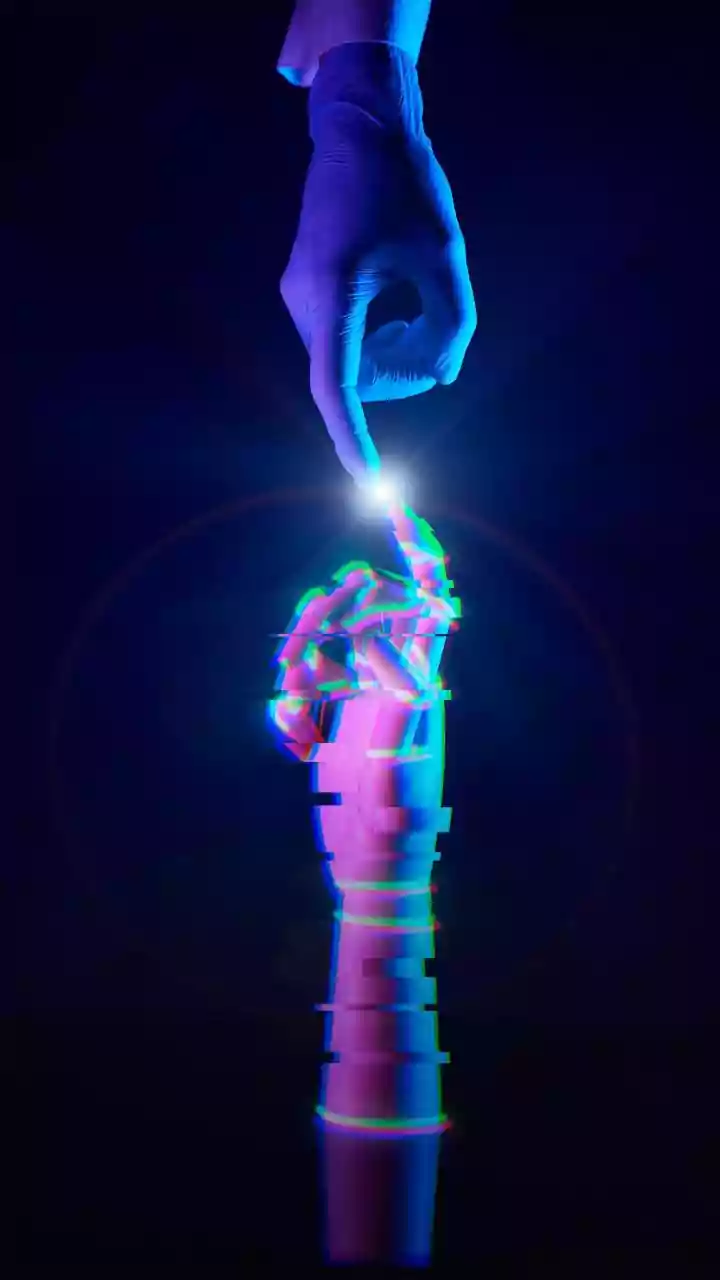
Beyond just saving time, AI can act as a creative assistant. Instead of replacing the creator, the best tools work to enhance their vision. AI can suggest edits, help brainstorm ideas for scripts, and even generate visual concepts or storyboards. Some advanced tools can take existing footage and transform its style, change the background, or add effects without a complex visual effects pipeline. This allows for rapid experimentation. A creator can test multiple versions of a video's opening hook to see what grabs the audience's attention best, a process that would have been impossibly time-consuming before. It’s not about letting the machine take over, but using it as a tireless collaborator to explore more creative avenues.
The Hidden Costs of Convenience
However, this speed and convenience come with significant risks, which is where the need for careful use comes in. The most immediate danger for a creator is the loss of a unique voice. If everyone uses the same AI templates and automated edits, content can become homogenous and forgettable. There's also the risk of skill atrophy. Young creators who rely exclusively on AI might never learn the fundamental principles of pacing, storytelling, and emotional editing that separate good content from great content. Furthermore, AI is not perfect. It can make mistakes in context, generate nonsensical captions, or create edits that are technically correct but emotionally flat. Human oversight remains essential to ensure quality and authenticity.
Navigating the New Landscape Wisely
So, how can young creators use these tools effectively? The key is to treat AI as a powerful assistant, not a replacement for their own judgment. Use it to handle the grunt work—the transcriptions, the initial colour correction, the rough assembly of clips. This frees up mental bandwidth to focus on the narrative, the performance, and the final polish that gives the video its personality. It’s also crucial to be aware of the ethical landscape. AI tools trained on copyrighted material without permission are in a legal grey area, and the rise of deepfakes raises serious questions about misinformation. Responsible creators need to understand the tools they are using and be transparent with their audience about how their content is made, as platforms like YouTube are now requiring disclosure for realistic AI-generated content.