
A New Level of Ambition
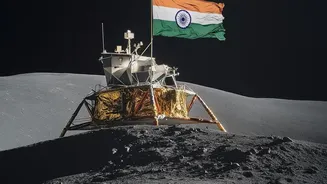
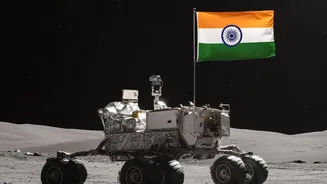
Chandrayaan-4 is not just another Moon landing; it is India's first attempt at a lunar sample return mission. This is a monumental leap in complexity. While Chandrayaan-3 proved ISRO's mastery of soft-landing, its job was done once it touched down. Chandrayaan-4 has
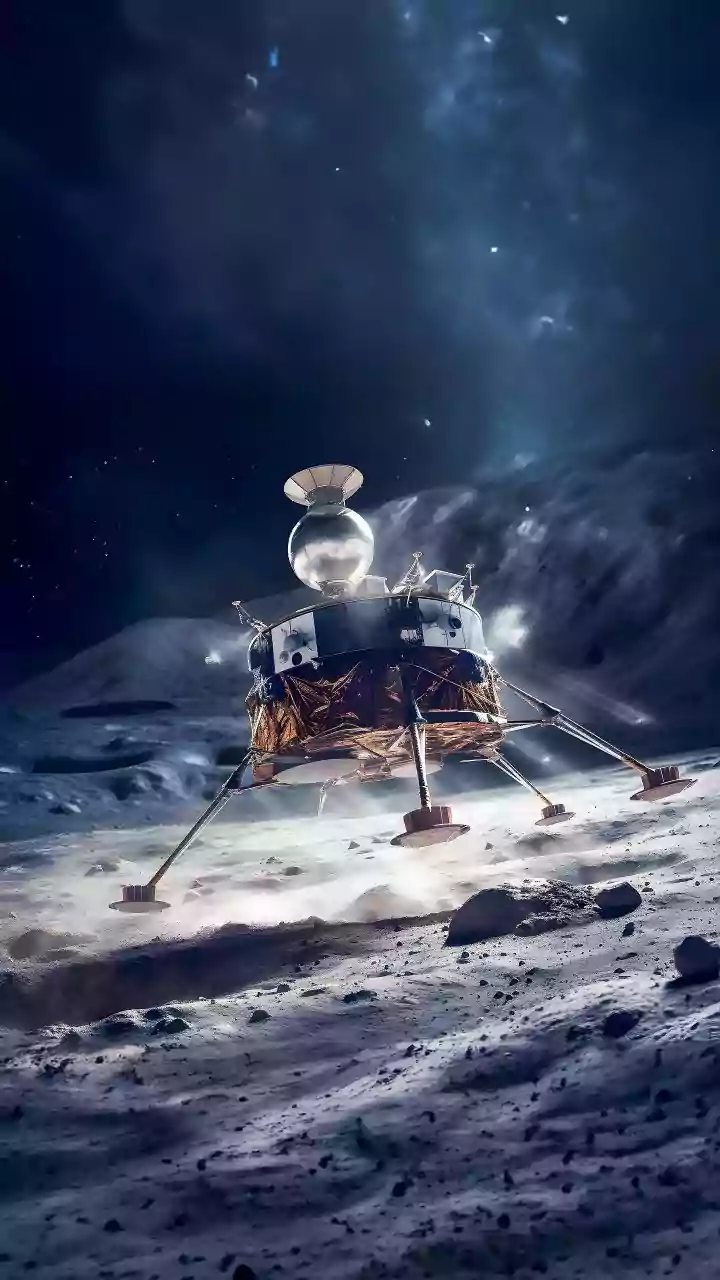
to land, collect samples, launch from the Moon, travel back to Earth, and safely deliver its precious cargo. If successful, India will join an exclusive club of nations that have accomplished this feat, including the United States, the former Soviet Union, and China. The mission is a crucial step in developing technologies for future deep-space exploration and fulfilling India's vision of landing an astronaut on the Moon by 2040.
The Five-Module, Two-Launch Plan
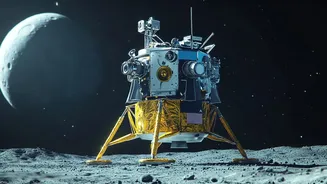
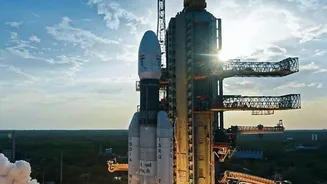
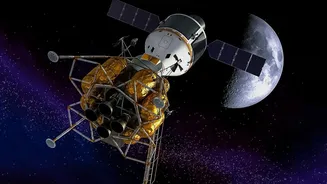
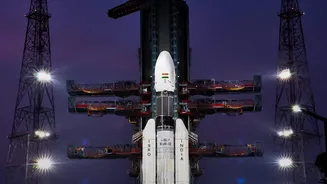
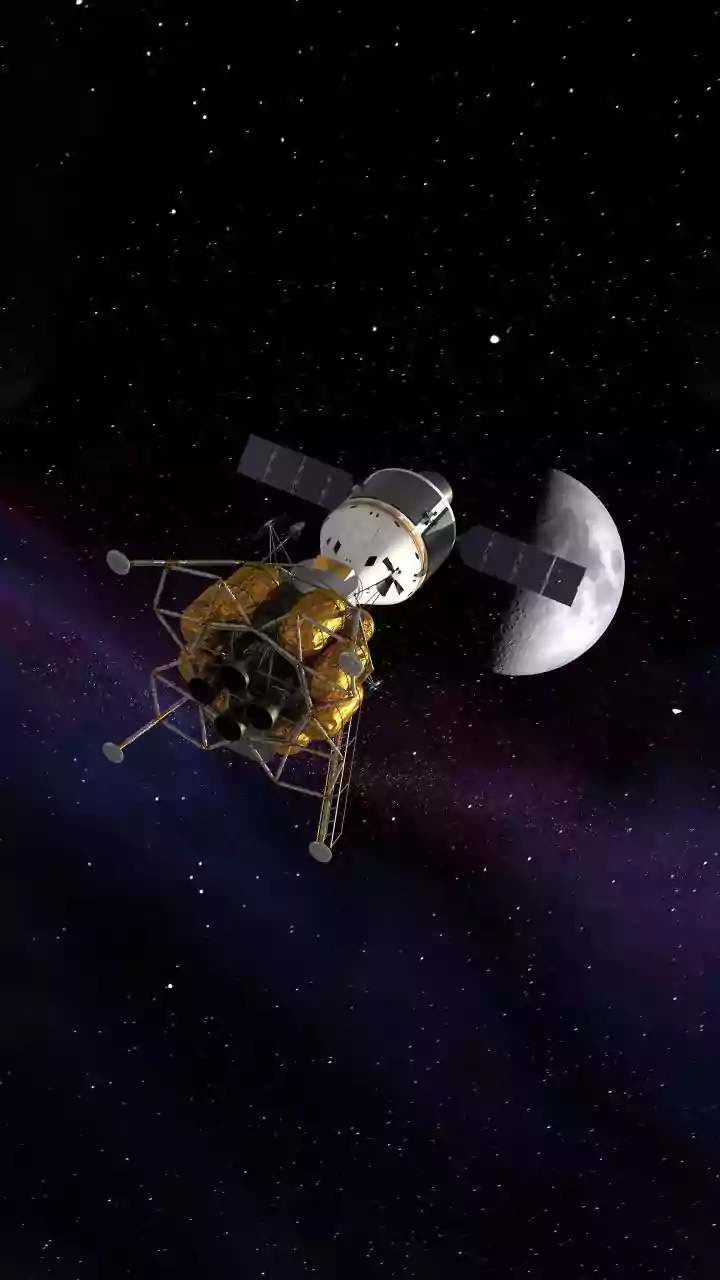
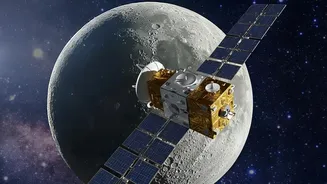
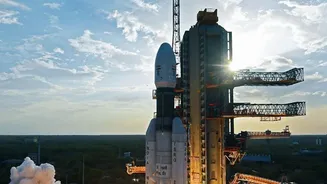
The mission is so complex and heavy that it cannot be launched on a single rocket. Instead, ISRO will use two of its most powerful LVM3 rockets. The spacecraft itself is made of five separate modules, split across these two launches. The first rocket will carry the Descender Module (the lander) and the Ascender Module (the vehicle that will lift off from the Moon). The second rocket will launch the Propulsion Module, Transfer Module, and the Re-entry Module. All these parts will meet and dock in Earth's orbit—a feat ISRO has successfully tested with its SPADEX mission—before beginning the journey to the Moon.
An Intricate Lunar Ballet
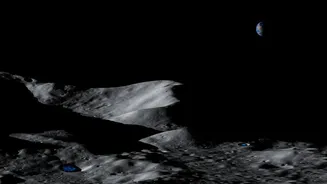
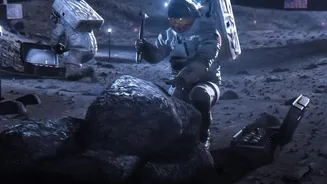
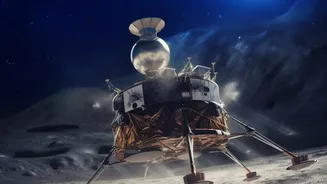
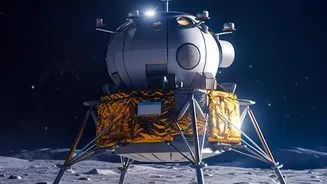
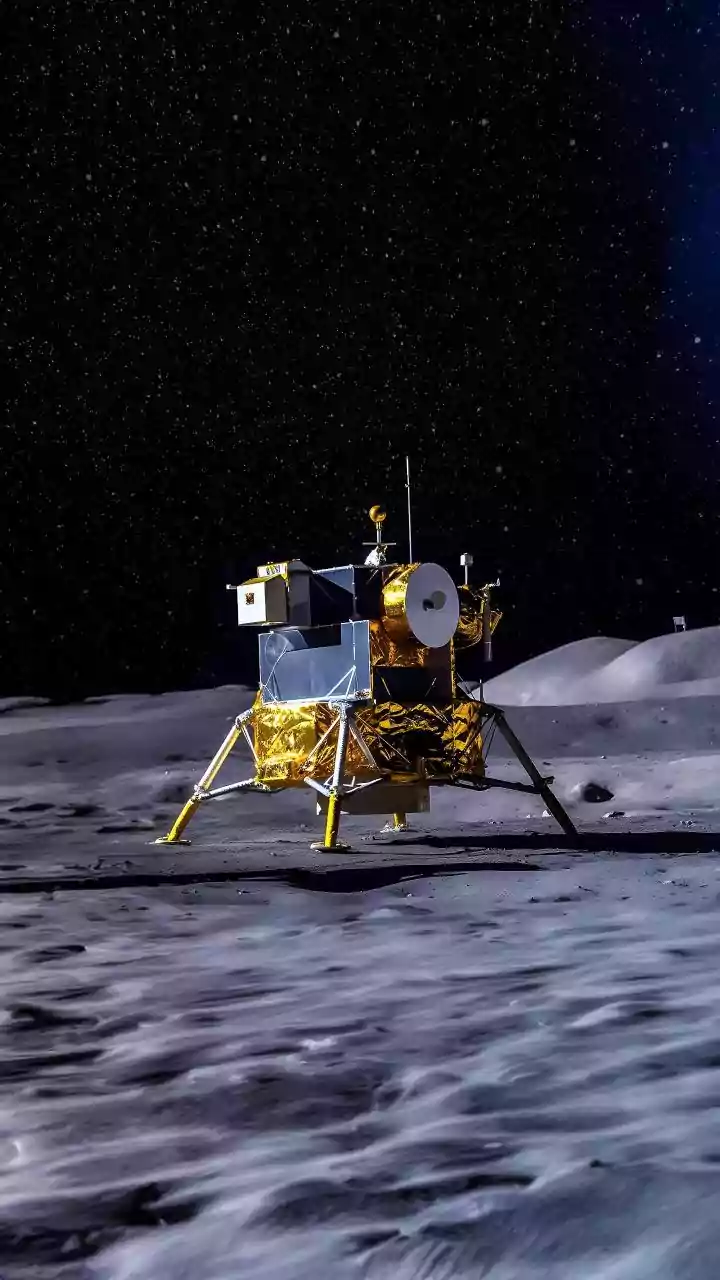
Once in lunar orbit, the mission unfolds in a series of precise steps. The Descender and Ascender will separate and land near the Moon's south pole, a region of immense scientific interest. After landing, a robotic arm on the lander will scoop up soil and rock from the surface, while a drill will collect samples from below the surface. These samples, weighing about 2-3 kg, will be sealed in a container aboard the Ascender. The Ascender will then launch from the Moon's surface, using the lander as a launchpad, and dock with the Transfer Module waiting in orbit. The samples will be transferred to the Re-entry module for the final leg of the journey home.
Why Bring Back Lunar Samples?
Studying lunar soil, or regolith, on Earth allows for far more detailed analysis than any instrument on a rover could perform. Scientists can use massive, sophisticated equipment to uncover secrets about the Moon’s origin, its geological history, and the formation of our solar system. Samples from the south pole are particularly valuable due to the possibility of finding water ice in the permanently shadowed regions. Discovering and analyzing this ice could be key to future long-term lunar habitats, as it could be processed to provide water, breathable oxygen, and even rocket fuel. The samples returned by Chandrayaan-4 would be from a geologically diverse area that has never been studied up close before.
Timeline and the Road Ahead
The Union Cabinet approved the Chandrayaan-4 mission on September 18, 2024, with a budget of over ₹2,100 crore. While initial timelines pointed to 2027, ISRO officials have since indicated that a 2028 launch is more realistic given the mission's unprecedented complexity. The mission is entirely self-reliant, with all critical technologies being developed domestically in India. It builds upon the successes of previous missions while pushing Indian space technology into a new era of planetary exploration, setting the stage for even more ambitious endeavors like the Gaganyaan human spaceflight program and a future Indian space station.