








A Ritual of Restorative Porridge
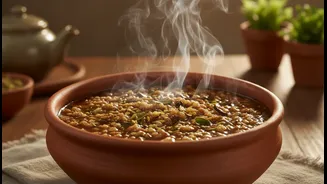
Every year, as the monsoon reaches its peak during the Malayalam month of Karkidakam (mid-July to mid-August), households in Kerala turn to a specific culinary ritual: the preparation of Karkidaka Kanji. Also known as Oushadha Kanji (medicinal porridge),
this isn't just a simple rice gruel. It is a carefully formulated dish designed to support the body during a time that Ayurveda considers particularly vulnerable. Traditionally consumed for a period of seven, 14, or even 28 days, this warm bowl is a cornerstone of Karkidaka Chikitsa, the traditional Ayurvedic wellness regimen for the monsoon. The practice is rooted in the belief that the body's digestive fire, or 'Agni', is at its weakest during the damp, humid monsoon, making it susceptible to illness. This porridge is designed to counteract that weakness, boost immunity, and provide gentle nourishment.
A Pharmacy in the Pantry
The power of Karkidaka Kanji lies in its ingredients, a testament to the pantry wisdom passed down through generations. The base is often Navara rice, a special medicinal variety from Kerala known to be light and easy to digest. This is cooked with coconut milk and a purposeful blend of herbs and spices. Common additions include fenugreek (uluva), cumin (jeerakam), dry ginger (chukku), and black pepper (kurumulaku). Each ingredient serves a specific function: ginger and pepper are believed to rekindle digestive fire, while cumin helps soothe the stomach. Many preparations also include a mix of potent herbs known as Dashapushpam (ten flowers) or Dashamoola (ten roots), turning the meal into a therapeutic concoction. This blend of grains, spices, and herbs works to detoxify the system, reduce inflammation, and fortify the body's natural defenses against monsoon-related ailments like fevers and joint pain.
A Tradition Across India
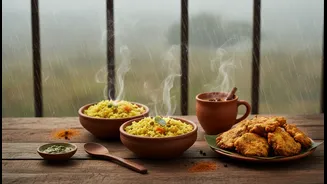
While Karkidaka Kanji is specific to Kerala, the underlying principle of a nourishing monsoon porridge is found across India. Different states have their own versions, adapted to local ingredients and culinary traditions. In many parts of India, a simple 'kanji' or 'ganji'—a basic rice porridge—is a go-to meal for days when digestion feels sluggish. In Goa, the monsoon brings forth 'Tizaan', a sweet porridge made from ragi (finger millet), coconut milk, and earthy palm jaggery. In Rajasthan and Gujarat, 'Raab', a warm drink made from millet flour, serves a similar purpose of providing warmth and easy-to-digest energy. Even the ubiquitous Khichdi, especially the light, spiced versions popular in Bengal during the rains, follows the same logic: a one-pot meal that is both comforting and gentle on the digestive system. These dishes reflect a shared understanding that the monsoon demands a shift in diet towards lighter, warmer, and more nourishing foods.
Ancient Wisdom, Modern Wellness
In an era of global food trends and superfood marketing, these regional porridges represent a more grounded and sustainable approach to wellness. They are not about exotic, expensive ingredients but about harnessing the power of local, seasonal foods. The principles behind Karkidaka Kanji align remarkably well with modern concepts of gut health and immunity. The emphasis on easily digestible grains, fermented ingredients in some variations, and the use of anti-inflammatory spices like ginger and turmeric directly supports a healthy digestive system, which is now understood to be the foundation of overall immunity. These traditions remind us that our ancestors had a sophisticated system of preventive healthcare, where the kitchen was the first pharmacy. By understanding and appreciating these regional monsoon porridges, we reconnect with a form of pantry wisdom that is both ancient and incredibly relevant today.