







A Mindset Shift for Monsoon
Every year, as the rains set in, the battle against damp walls, musty cupboards, and persistent mould begins. For years, the standard advice has been to reach for kitchen staples like vinegar and baking soda. While these have their place, relying on them
alone is like constantly weeding a garden without improving the soil. The real opportunity in low-chemical monsoon cleaning is a holistic one. It's about creating an indoor ecosystem that naturally resists the damp, fungal growth, and pests that thrive in high humidity. This proactive approach focuses on not just scrubbing away problems as they appear, but on cultivating an environment where they are less likely to arise in the first place. It’s a shift from being a reactive cleaner to a proactive home wellness manager.
The Power of Bio-Enzymes
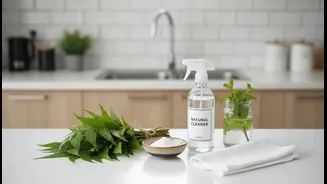
One of the most powerful tools beyond the usual suspects is the bio-enzyme cleaner. You can even make it at home using citrus peels, jaggery, and water. This fermented solution is teeming with beneficial microbes that produce enzymes. These enzymes are nature's cleanup crew, working at a microscopic level to break down organic matter like grime, grease, and the very spores that cause mould and musty odours. Unlike chemical cleaners that kill indiscriminately, bio-enzymes digest the source of the problem. For monsoon, they are invaluable. Use a diluted solution to mop floors, clean kitchen counters, and spray on bathroom tiles. They are particularly effective for keeping drains clear and odour-free, a common issue when dampness prevails.
Harnessing Aromatic Essential Oils
Essential oils offer more than just a pleasant fragrance; many possess potent antifungal and antibacterial properties that are perfect for the monsoon. Tea Tree oil, for example, is renowned for its ability to kill mould spores. A few drops mixed with water in a spray bottle can be used to treat damp spots on walls or in wardrobes. Lemongrass oil not only has a refreshing scent but also acts as an insect repellent and is great for mopping floors. Eucalyptus and Clove oils are also effective against mould and help purify the air. Using these oils in a diffuser purifies the air, while adding them to cleaning solutions or placing scented cotton balls in closets helps prevent that dreaded monsoon mustiness from taking hold.
Strategic Absorption and Dehumidifying
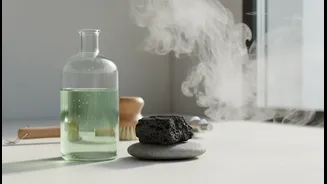
Fighting dampness is fundamentally about controlling moisture. While baking soda is a known, mild absorbent for small spaces like cabinets, you can employ more robust, passive dehumidifiers. Rock salt is highly effective; placing a large bowl of it in a damp room can draw a surprising amount of moisture from the air. Another excellent option is activated charcoal. Available as briquettes or in bags, charcoal is porous and brilliant at absorbing both moisture and odours. Place these in wardrobes, shoe racks, and bathrooms to keep the air dry. For a reusable option, consider silica gel packets, which can be 'recharged' by drying them out in the sun on a clear day.
Let Nature Help With Airflow and Plants
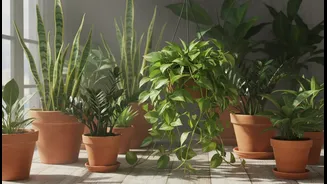
Perhaps the most low-chemical strategy of all is simply working with nature. Good ventilation is your first line of defence. Whenever the rain stops, open windows and doors to allow for cross-ventilation, which helps expel damp air. Further, certain houseplants can help manage indoor humidity and purify the air. Peace Lilies, for instance, are known to absorb mould spores and thrive in humid areas like bathrooms. Snake Plants and Spider Plants are also excellent choices; they are hardy, require minimal care, and are effective at filtering common indoor pollutants. While they won't single-handedly solve a major damp problem, incorporating these plants contributes to a healthier, more balanced indoor atmosphere.