






Acknowledge the Emotion, Then Plan
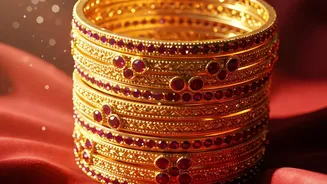
Buying gold during festivals like Dhanteras and Diwali is deeply woven into our culture, symbolising prosperity and securing blessings. This purchase is rarely just a financial transaction; it's an emotional one tied to tradition and family. The first
step in avoiding overspending is to acknowledge these feelings. Instead of fighting the emotional pull, channel it into a structured plan. Recognise that the desire to buy is valid, but true prosperity comes from celebrating without incurring financial regret. Emotional spending is often triggered by stress, excitement, or the fear of missing out (FOMO), all of which are heightened during festivals. By being aware of these triggers, you can consciously separate the emotional urge from a logical financial decision.
Create a Dedicated 'Gold Fund'
Festivals don't sneak up on us; they arrive on schedule every year. This predictability is a huge advantage for financial planning. Instead of treating a major gold purchase as a sudden expense, plan for it year-round by creating a dedicated 'gold fund' or sinking fund. Set a goal for how much you'd like to spend next festive season and break it down into monthly savings. For example, if you aim to spend ₹60,000, saving ₹5,000 a month makes the goal achievable without last-minute financial strain. You can put this money into a recurring deposit or a low-risk fund. Some jewellers also offer monthly savings schemes that allow you to accumulate money and redeem it for jewellery, sometimes with the benefit of zero making charges. This disciplined approach transforms a stressful splurge into a planned, manageable purchase.
Set a Non-Negotiable Festival Budget
Before you even think about visiting a jeweller or browsing online, you must set a firm, non-negotiable budget. Look at your overall financial situation—your income, monthly expenses, and savings goals—to determine a realistic amount you can afford. Use an online budget calculator to see how many grams of gold your budget can actually afford once you factor in making charges, wastage, and GST. For example, a ₹1,00,000 budget does not get you ₹1,00,000 worth of pure gold; after all the charges, you might get around 9 grams of 22K gold jewellery. Having this clear number in your head prevents you from being swayed by 'once-a-year' deals or the pressure to buy a more expensive piece.
Master the Moment of Purchase
The jewellery store is where even the best-laid plans can go awry. To stay on track, go in with a clear idea of what you want to buy—a ring, earrings, a chain—and stick to it. Don't browse aimlessly. Ask to see pieces within your pre-determined weight or price range. Always compare making charges, which can range from 5% for machine-made items to over 25% for intricate handmade designs. These charges are a significant part of the cost and are not recovered upon resale. Lighter, simpler designs often have lower making charges. Before finalising, ask for a detailed bill that breaks down the gold price, wastage, making charges, and GST. This transparency helps you see exactly where your money is going.
Implement a 'Cooling-Off' Period
Impulse purchases are the biggest enemy of a budget. Retailers are experts at creating an environment of urgency and excitement. To counteract this, implement a mandatory 24-hour cooling-off period for any unplanned purchase. If you see a piece of jewellery you love but hadn't planned for, don't buy it on the spot. Leave the store, go home, and sleep on it. More often than not, the intense urge to buy will fade once you're away from the sales environment. This simple delay gives your rational brain a chance to catch up with your emotional brain, ensuring the purchase is a considered choice, not a regretful impulse.
Redefine the Tradition with Smart Alternatives
Honouring the tradition of bringing gold into the home doesn't have to mean buying expensive jewellery every year. If your primary goal is investment and wealth preservation, physical jewellery is often inefficient due to high making charges and other costs that aren't recovered. Consider smart alternatives that fulfil the spirit of the tradition. You could buy BIS-hallmarked gold coins or bars, which have minimal making charges. For a modern approach, consider 'paper gold' like Sovereign Gold Bonds (SGBs), which are government-backed and offer tax benefits, or Gold Exchange Traded Funds (ETFs) and mutual funds. These instruments track the price of gold and are a more financially sound way to invest, allowing you to build wealth while still honouring the festive sentiment.