


From 'Coarse Cereal' to Superfood
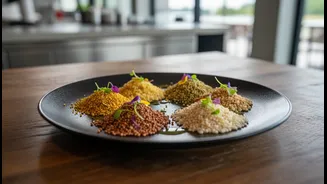
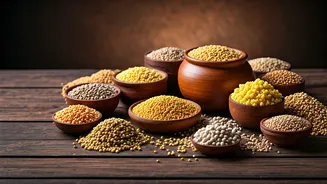
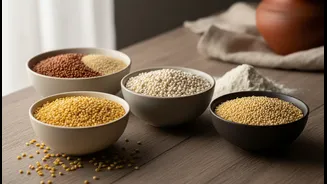
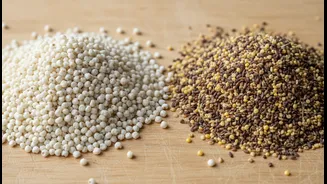
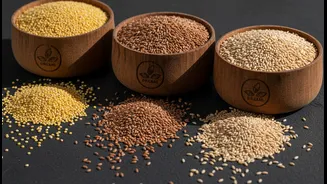
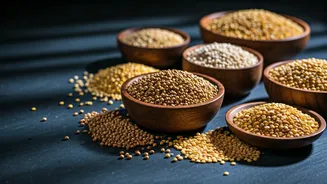
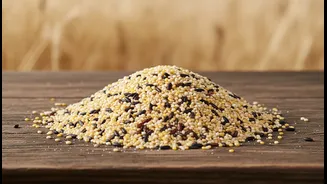
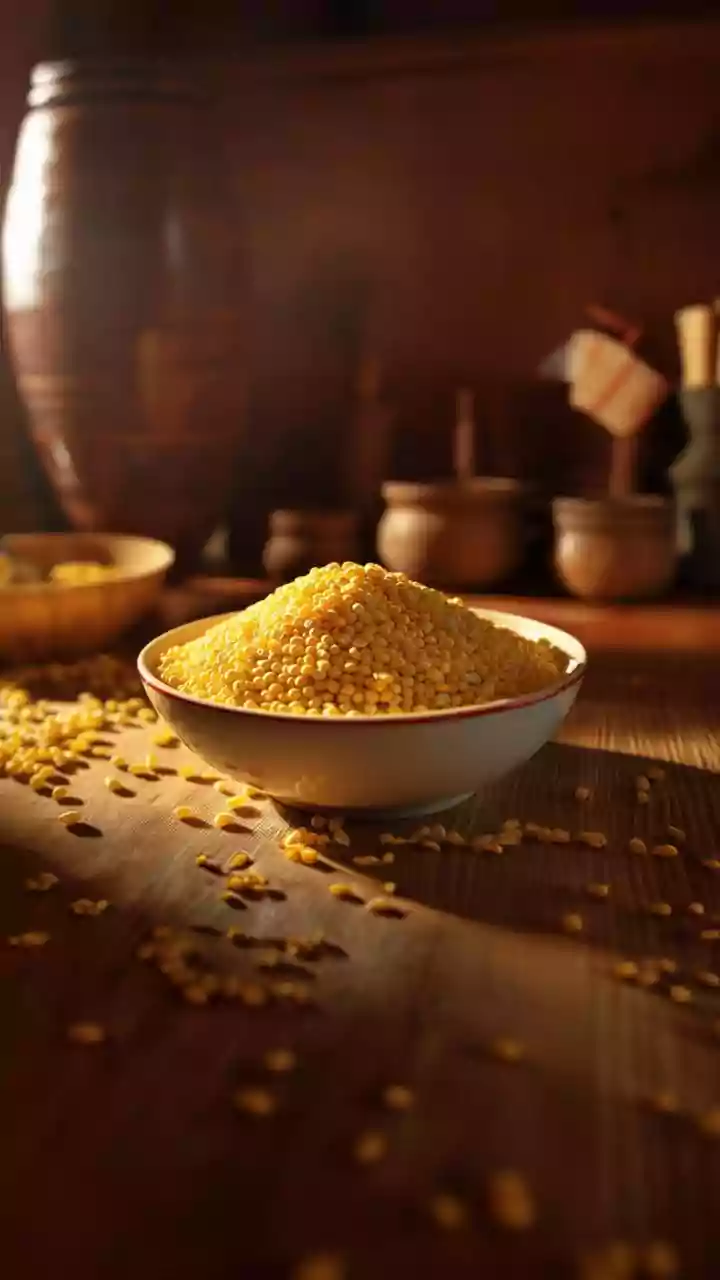
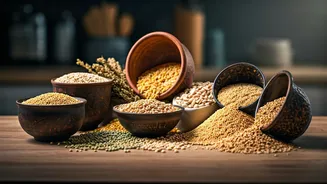
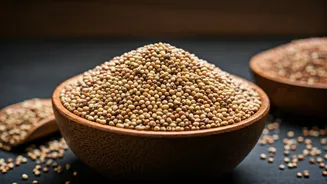
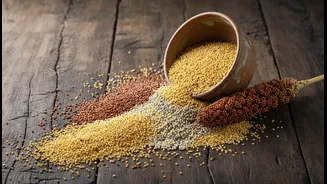
Not long ago, millets like jowar, bajra, and ragi were often regarded as 'coarse grains' or food for rural communities. That perception has undergone a dramatic transformation. Fuelled by a post-pandemic surge in health consciousness, government initiatives
like the International Year of Millets in 2023, and their inherent nutritional benefits, millets are now celebrated as superfoods. They are naturally gluten-free, rich in fibre and minerals, and have a low glycemic index, making them a preferred alternative to refined grains like wheat and rice for a growing number of urban consumers. This renewed interest has set the stage for a market evolution, moving from simple grains to sophisticated, value-added products.
What 'Premium Millet' Actually Means
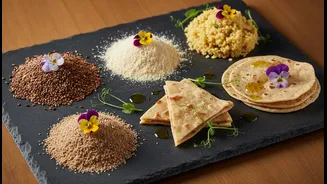
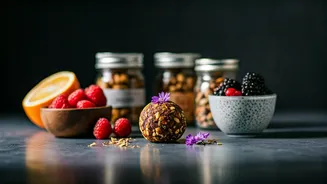
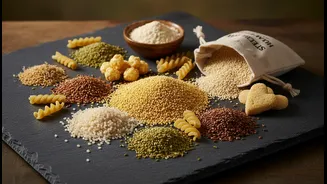
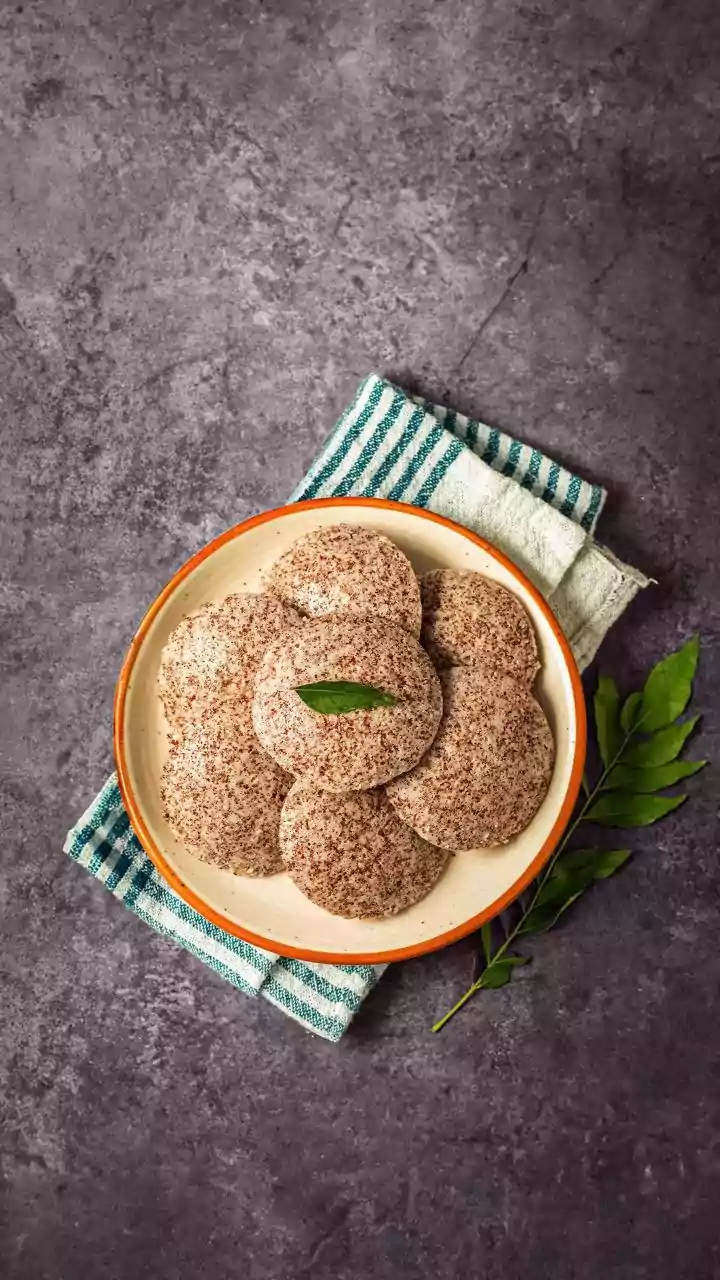
The new wave of millet products is not about selling the raw grain in fancier packaging. It's about innovation and convenience. 'Premium' in this context refers to a wide array of value-added goods that fit into modern lifestyles. Think millet-based breakfast cereals, ready-to-eat upma and khichdi mixes, pasta, noodles, and even pizza bases. Food companies, from large FMCG players like ITC and PepsiCo to a host of direct-to-consumer (D2C) startups, are transforming millets into products that are easy to cook and consume. This shift addresses a key barrier to wider adoption: traditional millet dishes often require significant preparation time, a luxury many busy households don't have.
The Rise of D2C Brands and Niche Products
Much of this innovation is being driven by agile D2C startups that spotted the gap in the market. Brands like Slurrp Farm, Millet Amma, and Millwize are creating products that cater to specific needs, such as healthy snacks for children, organic options, and gourmet formats. These companies are leveraging e-commerce and quick-commerce platforms to reach health-conscious consumers directly. Their offerings often come with a "clean label" promise—free from maida, refined sugar, and artificial preservatives. You can now find everything from millet cookies and pancakes to high-protein bars and date-sweetened snacks, demonstrating how versatile these ancient grains truly are.
Convenience is the New Selling Point
While health benefits kicked off the millet revival, convenience is what's sustaining it. The demand for ready-to-eat (RTE) and ready-to-cook (RTC) meals is soaring in urban India, and millet-based products are a perfect fit for this trend. For busy professionals and families, being able to prepare a nutritious millet meal in minutes is a powerful value proposition. This combination of health and convenience means consumers no longer have to choose between a quick meal and a healthy one. As a result, millet products are moving out of niche health food stores and onto the shelves of mainstream supermarkets and online grocery platforms.
Is It Worth the Premium Price?
These new-age millet products often come with a higher price tag than their traditional grain counterparts. The cost reflects the research, processing, quality ingredients, and branding that go into creating them. For many consumers, the premium is justified by the nutritional superiority, convenience, and assurance of quality. A study on the millet-based packaged food market in India shows significant growth, with projections expecting the market to reach USD 91.1 million by 2032, indicating a strong consumer willingness to pay for these healthier options. Ultimately, the choice comes down to individual priorities, but the expanding market shows that a large number of Indians are voting for health and convenience with their wallets.