




India's massive textile industry, a cornerstone of its economy, faces a constant battle with raw material costs. A recent federal decision to alter cotton import norms aims to provide a crucial lifeline to the nation's garment exporters.
The Core Challenge: Price Volatility
For Indian garment
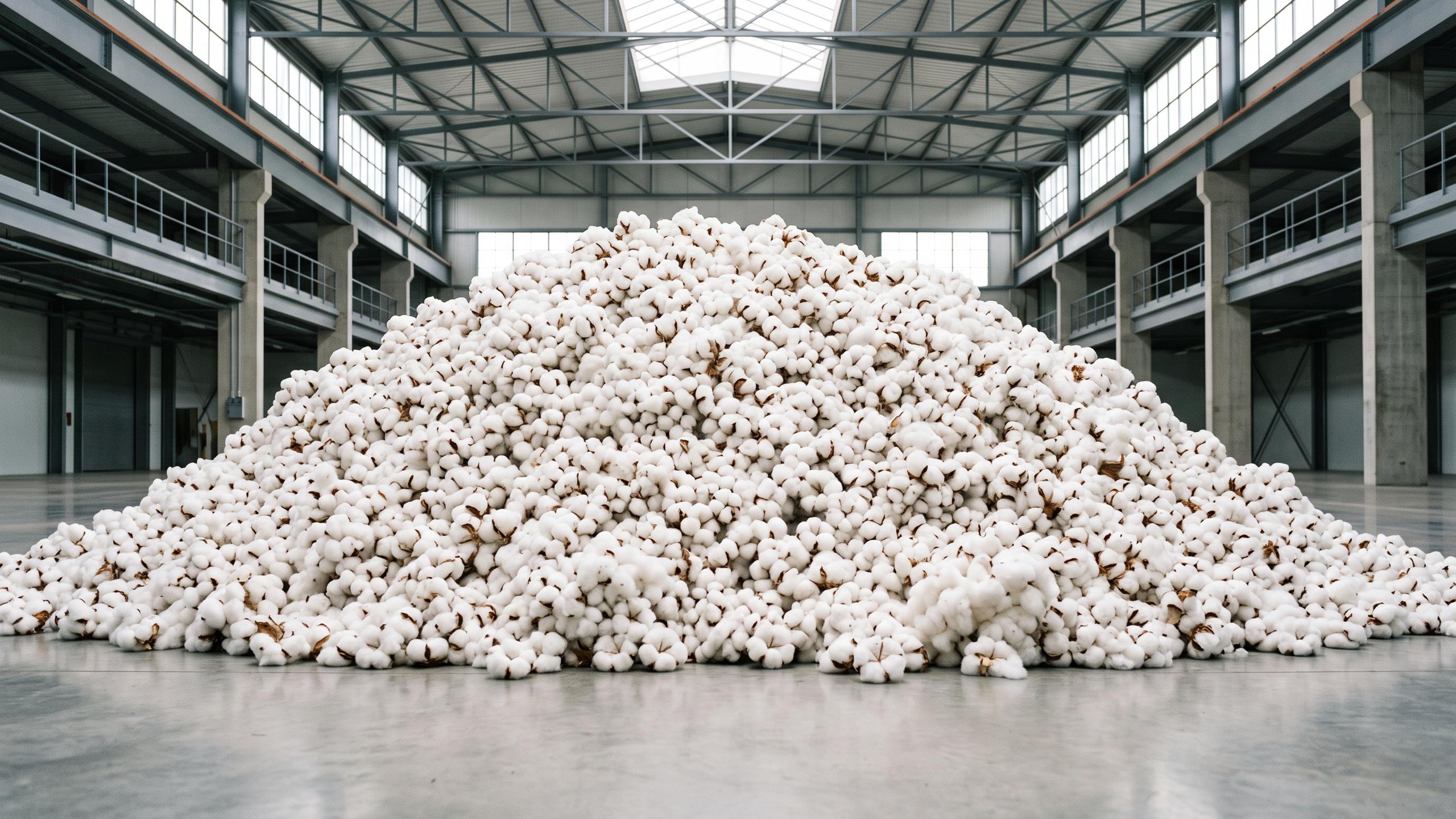
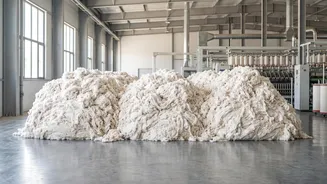
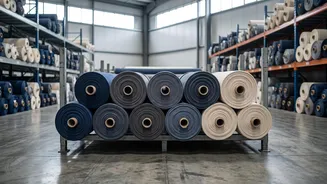
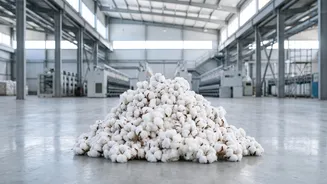
exporters, the price and availability of high-quality cotton are critical. Cotton can account for a significant portion of the final cost of goods, from yarn to finished apparel. In recent years, domestic cotton prices have been volatile and often higher than international rates, putting Indian manufacturers at a disadvantage. When raw material costs are high, it becomes difficult for exporters to offer competitive prices to global buyers in markets like the US and Europe. This has been a major hurdle, especially when competing against nations like Bangladesh and Vietnam, which often have duty-free access to international cotton. The situation is compounded by a projected decline in domestic cotton production for the 2026-27 season due to erratic weather, further tightening supply and keeping prices firm.
The Government's Intervention: Duty-Free Imports
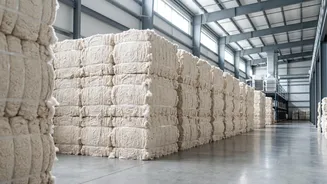
To address this challenge, the Indian government took a significant step. It temporarily removed the 11% import duty on raw cotton, which includes a 5% Basic Customs Duty and a 5% Agriculture Infrastructure and Development Cess, plus surcharges. This duty exemption was initially effective from June 1, 2026, to October 31, 2026. This period was strategically chosen to cover the 'off-season' for domestic cotton, allowing mills to import raw material when local supplies are typically leaner. As domestic prices remained high and crop forecasts were revised downwards, industry bodies have strongly advocated for extending this duty-free window to ensure continued stability. As of late October 2026, the government is actively considering an extension of this duty-free period through December 31, 2026, to further support the industry.
How the Decision Safeguards Exporters
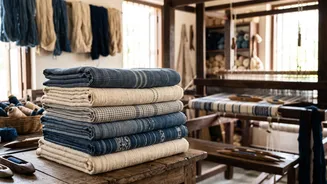
The removal of the 11% duty directly lowers the input cost for textile mills. This allows spinning mills to procure high-quality cotton from international markets like the US, Brazil, and Australia at more competitive rates. Industry associations have urged these mills to pass on the benefits by reducing yarn prices. This cost reduction flows down the value chain to fabric weavers and, ultimately, to garment manufacturers. With access to cheaper raw materials, garment exporters can quote more attractive prices for international orders, helping them win business and maintain their global market share. It also provides greater sourcing flexibility, allowing manufacturers to import specific grades of cotton required to meet the stringent quality standards of global fashion brands.
Balancing Interests: The Other Side of the Coin
While the duty removal is celebrated by garment exporters and textile mills, it raises concerns among another critical group: cotton farmers. Extending the duty_free import window into the peak domestic harvest season (starting in October) could put downward pressure on local cotton prices. This could potentially reduce the income of farmers, especially in a year where crop yields are already expected to be lower due to poor weather. However, industry bodies argue that the impact on farmers is limited because they are protected by the government's Minimum Support Price (MSP) mechanism, which guarantees a floor price for their produce. They also point out that many imports are of specific high_quality or Extra Long Staple (ELS) cotton varieties not sufficiently available domestically, thus supplementing rather than replacing local cotton. The government's challenge lies in balancing the need for a competitive export industry with the need to protect agricultural livelihoods.