

Prioritise Paw and Coat Care
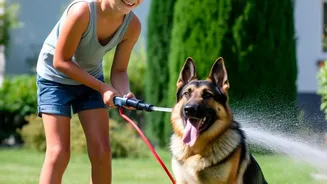
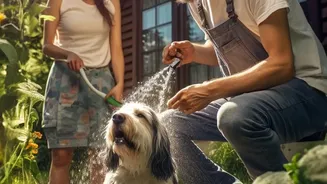
The most crucial step in any monsoon pet routine is managing moisture. After every walk, no matter how short, thoroughly dry your pet's paws and coat. Pay special attention to the areas between their toes, under their belly, and behind their ears, as trapped
moisture here can lead to fungal and bacterial infections. Investing in a highly absorbent microfibre towel can make this process quick and effective. For pets with long or thick coats, a short trim for the season can help improve airflow and reduce drying time. Regular brushing is also essential to prevent matting and remove any dirt or debris picked up from wet streets.
Adjust Diet and Hydration
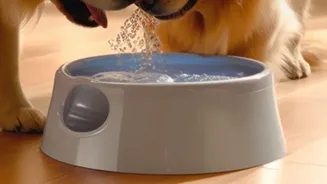
Digestive issues are common in pets during the monsoon, often caused by drinking contaminated water or eating food that has spoiled in the humidity. Always provide fresh, clean drinking water, changing it at least twice a day. In areas where water quality is a concern, using filtered or boiled water is a safer choice. This is also a good time to ensure your pet's diet is light and easy to digest. Store dry food in airtight containers to prevent it from absorbing moisture and becoming mouldy. If you serve home-cooked meals, avoid leaving them out for extended periods as they can spoil quickly.
Reinvent Exercise and Playtime
Fewer walks and outdoor activities mean your pet may have a lot of pent-up energy. A bored pet can become restless or destructive, so it's important to schedule indoor playtime. Simple activities can make a big difference. Engage them with interactive toys like puzzle feeders, which provide mental stimulation by making them work for treats. A game of hide-and-seek with their favourite toy or treats can engage their natural sniffing instincts. A gentle game of tug-of-war or indoor fetch down a hallway can also help burn off energy. Short, fun training sessions to teach new tricks are another excellent way to keep their minds active and strengthen your bond.
Maintain a Clean and Dry Living Space
Humidity affects your home environment, which in turn affects your pet. Ensure their bedding is kept clean and, most importantly, dry. Raising their bed off a cold, damp floor can provide extra comfort. Wash their bedding regularly, ideally in hot water, to eliminate allergens and potential fungal spores. Keeping your home well-ventilated can also help reduce the overall dampness in the air. For cats, litter box hygiene is crucial. Humidity can cause litter to clump poorly and breed bacteria faster, so more frequent scooping and changing are necessary.
Be Vigilant About Parasites and Infections
The monsoon is a prime season for ticks, fleas, and mosquitoes, which thrive in warm, humid conditions. These parasites don't just cause discomfort; they can transmit serious diseases. Stick to your vet-recommended flea and tick prevention schedule without fail. Ear infections are also more common due to trapped moisture, especially in floppy-eared dogs. Check your pet’s ears regularly for any redness or unusual smell, and clean them as advised by your veterinarian. Being proactive with preventative care is the best defence against common monsoon ailments.
Manage Thunderstorm Anxiety
The loud clap of thunder can be a source of intense anxiety for many pets. Creating a safe, calming space can help them cope. This could be a crate with a familiar blanket or a quiet corner of a room. Closing the curtains to block out lightning flashes and playing soft music can help mask the storm's sounds. There are also calming supplements and pheromone products available that can help ease their stress, but it's always best to discuss these options with your vet first. It’s important to stay calm yourself, as your pet will often mirror your emotional state.