



The Secret Hiding in Your Pantry
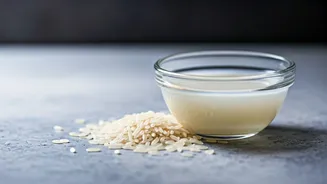
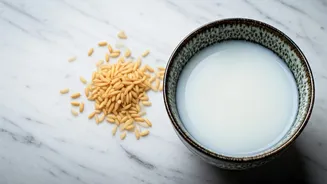
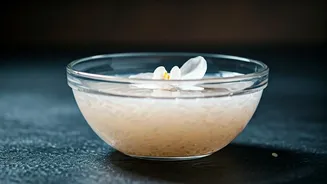
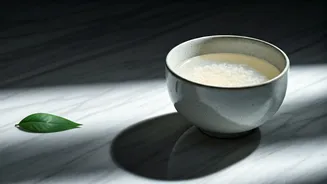
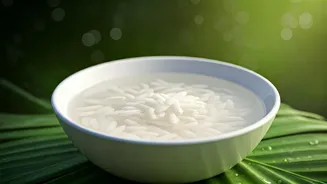
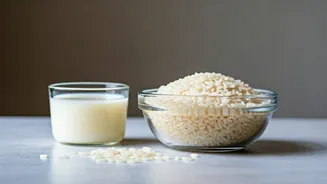
The remedy in question is rice water, the starchy liquid left behind after soaking or boiling rice. Far from being a new discovery, its use in beauty rituals dates back centuries, particularly across Asia. Most famously, court ladies of the Heian period
in Japan (794 to 1185 AD) were renowned for their floor-length hair, which they reputedly maintained by bathing it in rice water. Similarly, the Yao women of Huangluo village in China, who hold a Guinness World Record for their incredibly long hair, have traditionally used fermented rice water as a central part of their hair care regimen. This historical pedigree lends it an air of authenticity that many modern, lab-created products can’t replicate.
Why the Sudden Comeback?
So, why is this humble kitchen byproduct suddenly trending? The resurgence is fuelled by a perfect storm of modern-day values. Firstly, the “clean beauty” and wellness movements have created a massive demand for natural, chemical-free alternatives. Consumers are increasingly scrutinising ingredient lists and are drawn to the simplicity of a single-ingredient, preservative-free treatment. Secondly, social media platforms like TikTok and Instagram have acted as a powerful amplifier. Viral videos showcasing dramatic “before and after” hair transformations and glowing “glass skin” achieved with rice water have catapulted it into the mainstream. Finally, its cost-effectiveness is a huge draw in an era of economic consciousness. It’s a DIY hack that feels luxurious but costs next to nothing.
The Purported Benefits for Hair and Skin
Proponents of rice water credit it with a host of benefits. It is rich in amino acids, B vitamins, minerals, and antioxidants like ferulic acid. A key component is inositol, a carbohydrate that is believed to penetrate damaged hair and repair it from within, while also protecting it from future damage. For hair, the claims include increased elasticity, reduced surface friction, enhanced shine, and accelerated growth. When applied to the skin, rice water is said to soothe inflammation, brighten the complexion, tighten pores, and calm conditions like acne and eczema. Many use it as a gentle facial toner or cleanser.
How to Make It at Home
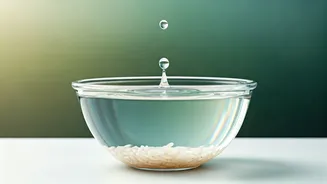
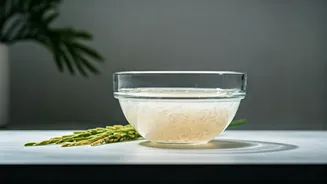
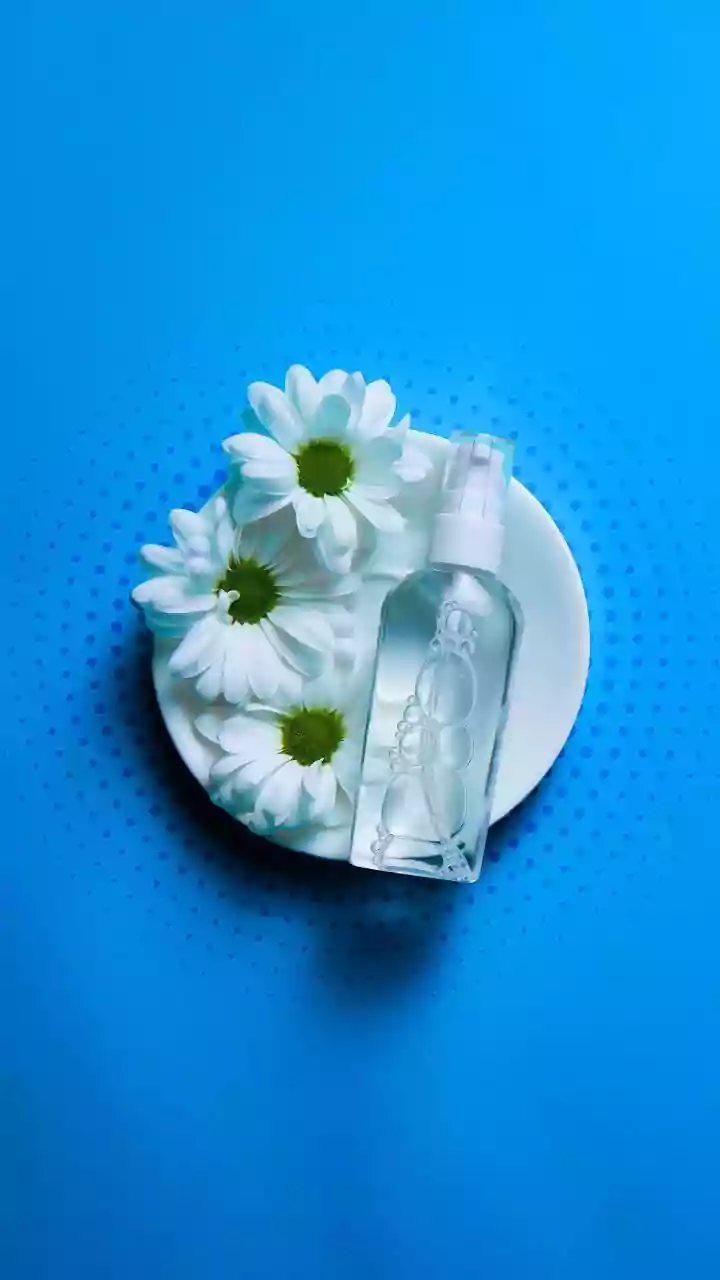
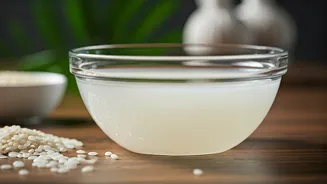
Making your own rice water is incredibly simple. The most common method is soaking. Start by rinsing half a cup of uncooked rice (any kind will do) to remove any surface dirt. Then, place the rinsed rice in a bowl with two to three cups of water and let it soak for at least 30 minutes, or up to 24 hours for a fermented version which some believe is more potent. Swirl it around or knead it gently until the water becomes a milky white. Finally, strain the water into a clean jar or spray bottle. You can use it immediately or store it in the refrigerator for up to a week. For hair, it's typically used as a final rinse after shampooing and conditioning. For skin, it can be spritzed on or applied with a cotton pad as a toner.
What Do the Experts Say?
While the anecdotal evidence is compelling, the scientific backing for many of rice water's claims is still limited. Dermatologists acknowledge that it contains beneficial compounds but caution that the concentrations in a DIY preparation are variable and may not be high enough to produce dramatic results. Some studies have suggested that inositol can strengthen hair, but more large-scale research is needed. Experts generally agree that for most people, rice water is a low-risk treatment. However, they warn that the high starch content can cause buildup on the hair and scalp if used too frequently, leading to dryness and brittleness—a phenomenon known as “protein overload,” even though rice water itself is not a protein. For skin, those with very dry or sensitive conditions should proceed with caution and always perform a patch test.