





Your Body’s Master Clock
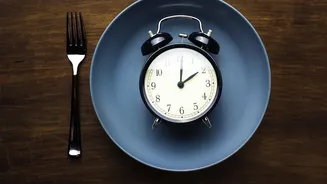
Deep inside your brain is a tiny but powerful timekeeper called the suprachiasmatic nucleus, or SCN. Think of it as your body's master clock. This clock manages your circadian rhythm, the 24-hour cycle that tells your body when to feel awake and when to feel sleepy.
It controls the release of hormones, influences your mood, and regulates your energy levels throughout the day. For this clock to work properly, it needs to be synced with the outside world every single day. Its most powerful cue for doing that is light.
Sunlight: The Ultimate Reset Button
When the specific blue and green wavelengths of morning sunlight enter your eyes, they send a direct signal to your SCN. This signal effectively says, "The day has begun!" It's the most powerful environmental cue for anchoring your internal clock. This simple act sets off a cascade of biological events that are crucial for maintaining energy throughout the day. Getting this light signal within the first hour of waking is considered the most effective way to lock in your rhythm. This daily reset is vital for aligning all the clocks in your body's cells, ensuring everything runs on a coordinated schedule.
The Hormone Dance of Energy and Sleep
Two key hormones are at the centre of this daily cycle: cortisol and melatonin. Morning sunlight triggers a healthy spike in cortisol, often called the 'get up and go' hormone. This sharp, early rise helps you feel awake, alert, and focused. At the same time, the light exposure suppresses the production of melatonin, the hormone that makes you feel sleepy. Crucially, this morning cortisol peak also sets a timer. Your body now knows to start producing melatonin again roughly 14 to 16 hours later, preparing you for a good night's sleep. This well-timed hormonal dance is what helps prevent a major energy crash in the afternoon.
Your Practical Morning Sun Routine
Incorporating this habit is simple. The goal is to get outside within 30 to 60 minutes of waking. On a bright, sunny day, aim for about 10 minutes of exposure. If it's overcast, you'll need longer—around 20 to 30 minutes—because clouds filter the light, but there are still enough beneficial rays to do the job. Do not wear sunglasses during this time, as they block the very light your eyes need to detect. There is also no need to stare directly at the sun; simply being outside and facing in its general direction is enough for your retinal cells to register the light.
Frequently Asked Questions
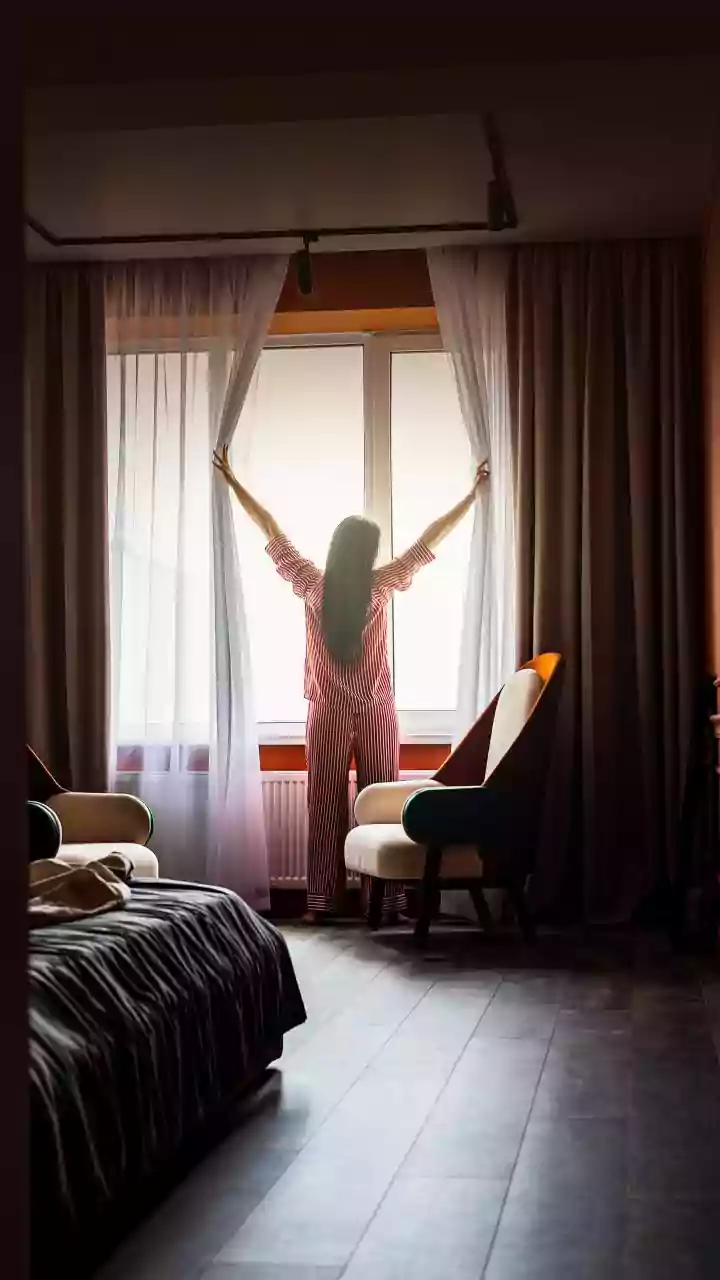
Many people wonder if they can get the same effect through a window. The answer is generally no. Window glass filters out a significant portion of the specific light wavelengths that your body's clock needs to see. This is why stepping outside, even onto a balcony or into a garden, is far more effective. For those in climates or situations where getting outside is impossible, a bright, full-spectrum light therapy lamp can be a useful alternative, though natural sunlight remains the gold standard. The key is consistency; making this a part of your daily routine will yield the most significant benefits for your energy and sleep cycle.