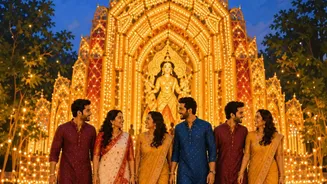





The Indian festive season once meant one thing: the heavier, the better. But a quiet revolution is underway. Women are ditching overwhelming embellishments for a new kind of elegance that balances glamour with grace and comfort.
The Shift Away from 'More Is More'
For years, festive dressing
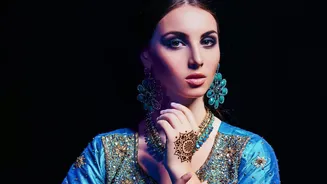
was an exercise in opulence. Think heavily embroidered lehengas, weighty silk sarees, and layers of jewellery that, while beautiful, were often restrictive and impractical. But modern lifestyles are reshaping these norms. Women today are juggling busy schedules and want festive wear that allows them to move, breathe, and genuinely enjoy the celebrations without feeling weighed down. The new mantra prioritises craftsmanship over sheer weight, focusing on refined details that draw you in rather than shouting for attention. This shift marks a move from outfits meant for a single, static occasion to versatile pieces that feel both special and wearable.
What Minimal Glamour Looks Like
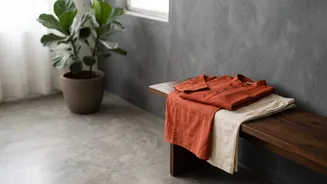
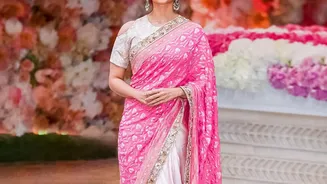
Minimal glamour isn't about being plain; it's about intentional elegance. The focus has moved from dense surface decoration to the core elements of an outfit: fabric, silhouette, and colour. Luxurious yet lightweight textiles like organza, Chanderi, fine cottons, and tissue are having a major moment. These fabrics offer a natural sheen and sophisticated texture without the bulk. Silhouettes are becoming cleaner and more fluid—straight-cut kurtas, relaxed sharara sets, and pre-draped sarees that emphasize graceful movement. Instead of a riot of colours, many are opting for monochrome looks or muted palettes like pastels, ivory, and earthy tones, allowing a single, well-chosen detail—like delicate embroidery on a neckline or a beautifully woven border—to shine.
Comfort Is the New Luxury
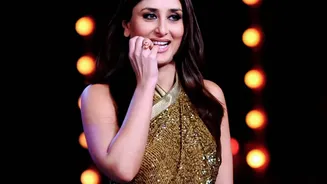
Perhaps the biggest driver of this trend is the unapologetic demand for comfort. The modern Indian woman sees no reason why she should have to choose between looking festive and feeling at ease. Designers are responding with anti-fit silhouettes, breathable handloom fabrics like cotton and linen, and Indo-western fusion wear like crop tops with lehenga skirts or kurtas paired with chic trousers. This redefinition of elegance proves that you can be the best-dressed person at a party without sacrificing the ability to dance, mingle, and celebrate freely. This sentiment is echoed by celebrity style, with stars like Janhvi Kapoor and Alia Bhatt frequently championing simpler, sophisticated looks that prioritise comfort.
A Conscious Choice for Sustainability
The minimalist trend aligns perfectly with a growing global consciousness around sustainable fashion. Consumers are increasingly moving away from 'wear-it-once' outfits, instead choosing to invest in timeless, high-quality pieces that can be styled in multiple ways for different occasions. This promotes re-wearability and reduces fashion waste. There's a renewed appreciation for handloom textiles and local artisan traditions, which represent a slower, more mindful approach to production. Fabrics like Khadi, organic cotton, and recycled silks are not only ecofriendly but also tell a story of Indian craftsmanship, adding a layer of meaning to festive attire.
How to Achieve the Look
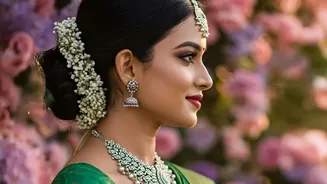
Mastering effortless minimal glamour is about balance. First, let one element be the hero. If you have a statement necklace, keep the outfit's neckline simple. If your outfit has a beautiful, intricate weave, opt for minimal jewellery. Second, focus on fit and fabric. A well-'cut piece in a quality textile like a silk blend or Chanderi will always look more luxurious than a poorly fitting, heavily embellished synthetic one. Finally, experiment with modern pairings. Try a classic handloom saree with a contemporary blouse, or a simple kurta set with a striking dupatta. The goal is to create a look that feels personal, refined, and above all, authentic to you.