



Reinforce Your Roti
Your daily roti or paratha is a perfect canvas for a protein upgrade. The simplest hack is to blend different flours into your regular whole wheat atta. Adding besan (chickpea flour), sattu (roasted gram flour), or even ground oats or ragi can significantly
increase the protein content. For instance, a mix of 70% whole wheat flour and 30% besan or sattu makes for a soft, delicious, and more protein-dense chapati. For those who enjoy stuffed parathas, fillings like crumbled paneer, mashed dals, or sattu provide a substantial protein boost, turning a simple breakfast into a power-packed meal.
Make Your Dal Work Harder
Dal is the backbone of vegetarian protein in India, but not all dals are created equal, and preparation matters. To instantly increase the protein per bowl, make your dal thicker by using less water. Another effective trick is to mix two different dals, such as chana dal with masoor or toor dal. This not only improves the texture but also creates a more balanced amino acid profile. For an extra boost, stir in a handful of crumbled paneer or tofu into the hot dal just before serving. This adds creaminess and a significant amount of high-quality protein.
The Strategic Sprinkle
Never underestimate the power of a garnish. A simple sprinkle of the right ingredients can add a surprising amount of protein to any dish. Top your poha, upma, sabzis, or even a bowl of curd with roasted seeds like pumpkin, sunflower, or hemp. Pumpkin seeds are a standout, with about 9 grams of protein per 28-gram serving. Roasted peanuts or roasted chana also work wonderfully as a crunchy, protein-rich topping for salads, dals, and rice dishes. This hack requires zero cooking and adds texture, flavour, and valuable nutrients to your meal.
Embrace the Classic Pairings
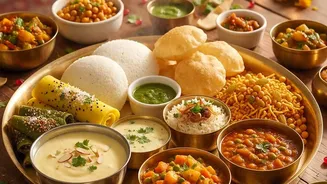
Traditional Indian meals have nutritional science built into them. The classic combination of legumes and grains, like dal-rice or rajma-chawal, creates a 'complete protein'. Legumes are typically rich in the amino acid lysine, while grains like rice and wheat provide methionine. Eaten together, they deliver all the essential amino acids your body needs, similar to animal protein. So, ensuring your meal includes both a grain and a legume—think idli with sambar, dosa with dal, or roti with chana masala—is a foundational hack for better protein intake.
Upgrade Your Snacks and Sides
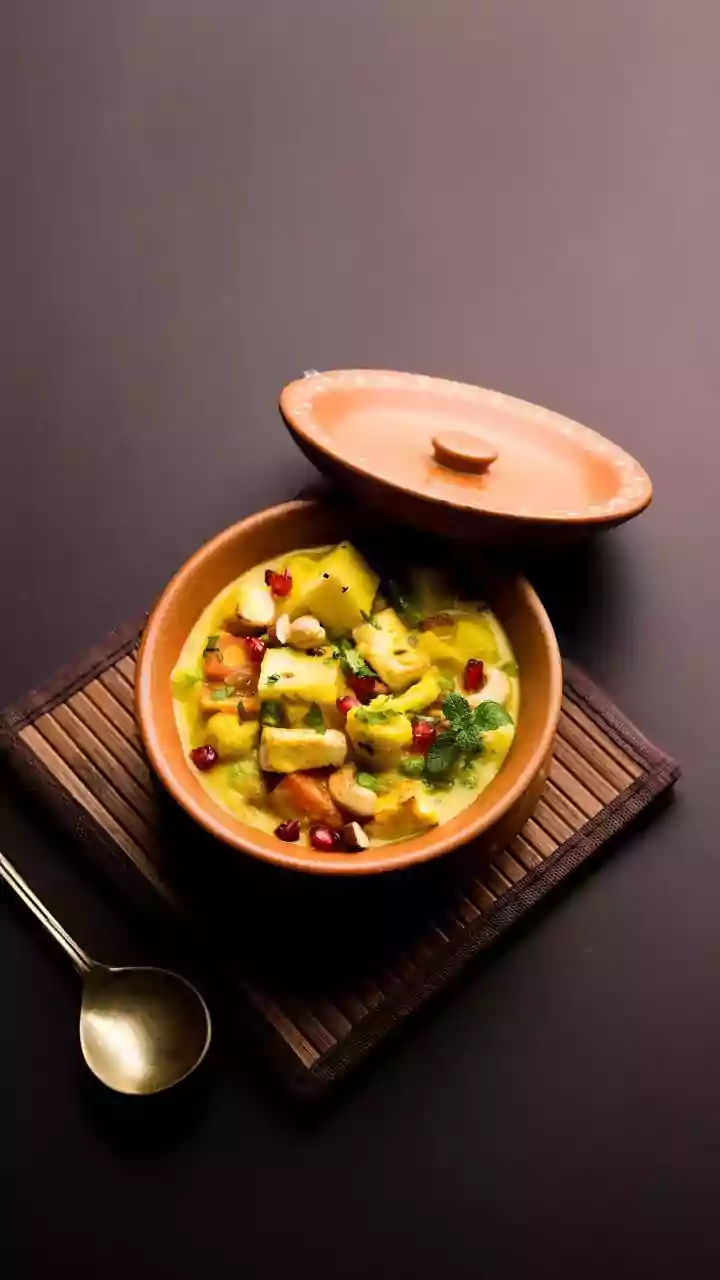
Snack time and side dishes are often missed opportunities for protein. Instead of reaching for carb-heavy options, choose smarter alternatives. A bowl of thick, Greek-style yogurt (hung curd) served alongside your main meal can add up to 10 grams of protein. For snacks, roasted makhana (fox nuts), a handful of peanuts, or a bowl of sprouted moong chaat are excellent choices that are both filling and nutritious. Similarly, adding cubes of paneer or tofu to a simple vegetable sabzi or pulao can transform it from a light side into a substantial protein source.
Power Up Your Breakfast
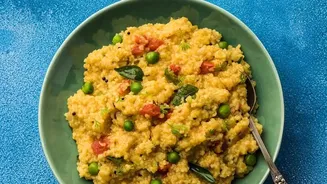
Many typical Indian breakfasts like poha or upma can be low in protein, leading to mid-morning hunger. Start your day stronger by opting for a dal-based breakfast. Moong dal chilla (savoury pancake) is a fantastic option, providing around 15-18 grams of protein for two chillas. You can make it even more potent by stuffing it with paneer bhurji. Other great choices include adai (mixed lentil dosa), sattu-based smoothies or parathas, and even idlis where some of the rice is replaced with millet flour for a better nutritional profile.