







More Than Just Free Wi-Fi
For years, the promise of a 'work-friendly' café meant available power sockets and a decent Wi-Fi connection. But the new trend goes far beyond these basics. Today's hybrid cafes are intentionally designed to serve multiple functions simultaneously. Think
designated quiet zones for deep work, bookable private pods or small meeting rooms for client calls, and comfortable lounge areas for casual catch-ups. Establishments like Paper and Pie in Bangalore offer everything from podcast rooms to conference facilities, essentially merging the comfort of a café with the functionality of a co-working space. This isn't just about tolerating laptop users; it's about actively catering to them with specialized infrastructure, signaling a deliberate evolution in the cafe's role.
The 'Third Place' Reimagined for Modern India
Sociologists have long talked about the 'third place'—a crucial social environment separate from the home (the first place) and the workplace (the second). Historically, Indian Coffee Houses and local tea stalls filled this role, providing a space for conversation and community. The new hybrid café is a modern reinterpretation of this concept, adapted for the post-pandemic era. With the rise of remote and hybrid work, the lines between home and office have blurred, creating a need for a neutral, functional, and yet relaxing space. These cafes offer an escape from the isolation of a home office and the formality of a corporate one, providing a structured yet flexible environment that supports both productivity and social connection.
What's Driving the Trend?
Several factors are fueling the rise of the work-meet-relax café. The most significant is the normalization of flexible work schedules. Professionals no longer need to be at an office desk from nine to five, and cafes provide a convenient and inspiring alternative. For freelancers, startups, and remote teams, these spaces offer a professional setting without the overheads of a traditional office. Furthermore, there's a growing desire for community and a change of scenery. After prolonged periods of working from home, many people crave the ambient energy of a bustling space, even if they don't directly interact with others. This environment provides a sense of connection and helps combat the loneliness that can come with remote work.
The Business of Blurring Boundaries
For cafe owners, this trend presents a new and sustainable business model. While a traditional customer might spend 30 minutes over a cup of coffee, a remote worker might stay for several hours, ordering multiple beverages and food items. This significantly increases the average spend per customer. To formalize this, some cafes are introducing innovative revenue streams. These include day passes, hourly charges for meeting pods, and monthly membership plans that offer unlimited coffee and guaranteed workspace. For instance, Minimalist Hotels has integrated coworking into its cafes in Goa, Delhi, and Varanasi, offering monthly memberships with food and beverage credits. This hybrid model creates a more predictable income stream and maximizes the use of the physical space throughout the day.
A Space for Every Mood
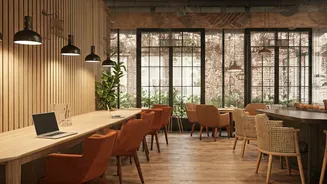
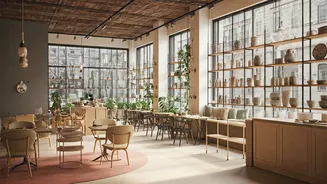
Crucially, the success of this trend lies in its balance. These are not sterile, corporate co-working offices disguised as cafes. They retain the warm, inviting ambiance that makes a cafe a place for relaxation. The design often features comfortable seating, natural light, and distinct zones that cater to different needs—from high-top tables for quick work sessions to plush sofas for unhurried conversations. Many also host community events like workshops, open mics, or art shows, further cementing their role as social hubs. The goal is to create a versatile space where a customer can have a productive work morning, a formal client meeting in the afternoon, and a relaxed chat with a friend in the evening, all under one roof.