






The Soul of Sour: What is Kokum?
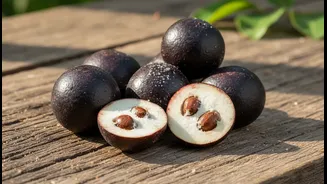
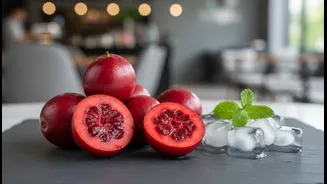
For those unfamiliar, kokum is a small, deep purple fruit native to the Western Ghats of India. Scientifically known as Garcinia indica, it belongs to the mangosteen family. When fresh, it’s tart and tangy, but it’s most commonly used in its dried form,
where the skins are sun-dried and preserved. These dark, shrivelled rinds are a staple souring agent in the coastal cuisines of Maharashtra, Goa, and Karnataka. Unlike the sharp sting of vinegar or the aggressive tang of tamarind, kokum offers a gentler, more complex acidity. It has a unique sweet-tart flavour with floral and slightly fruity undertones that doesn't overwhelm a dish. Its most famous application is in solkadhi, a beautiful mauve-hued digestive drink made from kokum extract and coconut milk, prized for its cooling properties.
Ramen's Balancing Act: The Need for Acidity
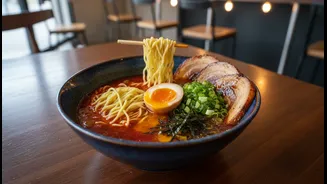
A perfect bowl of ramen is a masterclass in balance. Beyond the noodles and toppings, the soul of ramen is its broth, which is seasoned with a crucial component called 'tare'. Tare is the concentrated sauce that provides saltiness, umami, and complexity. Whether it's a soy-based shoyu, a salt-based shio, or a fermented soybean miso tare, it defines the ramen's character. Many of the richest and most beloved ramen broths, like the creamy pork-bone tonkotsu, are incredibly heavy. To prevent the flavour from becoming flat or cloying, chefs introduce acidity. This is often done with ingredients like rice vinegar, yuzu, or even pickled toppings. Acidity cuts through the fat, brightens the deep flavours, and makes the entire bowl feel more refined and dynamic, encouraging you to go back for another spoonful.
A Match Made in Flavour Heaven
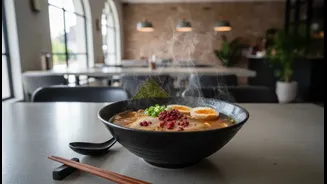
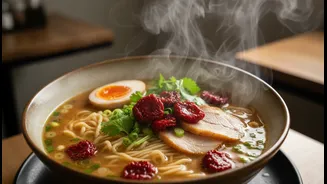
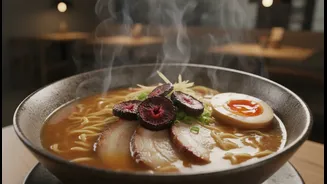
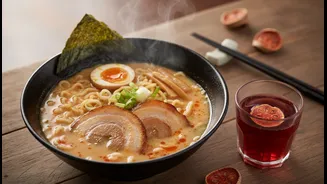
This is where kokum enters the picture. Its unique profile makes it an unexpectedly perfect candidate for a modern ramen tare. The acidity from kokum is not harsh; it's a mellow, rounded sourness that can slice through the richness of a pork or chicken broth without clashing. Its inherent fruity notes can add a layer of complexity that is both novel and delightful, similar to how yuzu is used for its aromatic citrus kick. Furthermore, kokum imparts a beautiful, subtle pink or deep red colour, turning the broth visually appealing. Imagine a creamy tonkotsu ramen with a blush hue and a faint, berry-like tang that cleanses the palate with every sip. It’s a natural fit, providing the necessary balance while introducing an entirely new dimension of flavour that is sophisticated and memorable.
Indian Ingredients Go Global
The idea of using an Indian souring agent in a Japanese noodle soup isn't just a quirky gimmick; it’s part of a larger, exciting culinary movement. Chefs and home cooks worldwide are looking beyond traditional boundaries and discovering the versatility of ingredients from the Indian pantry. Spices like turmeric are now found in lattes and wellness drinks, while tamarind adds its signature tang to cuisines far from its origin. This global pantry approach, or fusion cuisine, is about understanding the function of an ingredient—like acidity, heat, or earthiness—and finding new and creative ways to apply it. Introducing kokum to ramen follows this exact principle. It acknowledges the structural need for acidity in the dish and proposes a compelling, delicious alternative that bridges two distinct culinary worlds.