






The Foundation of Fabric
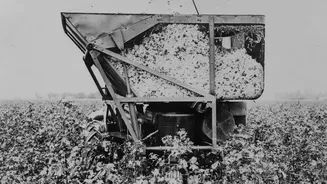
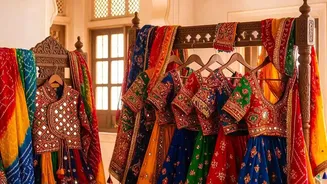
Long before the first industrial mills, Coimbatore's destiny was tied to cotton. The region's black cotton soil and favourable climate made it an ideal centre for cotton cultivation for centuries. Historical records show that weavers in the area had already
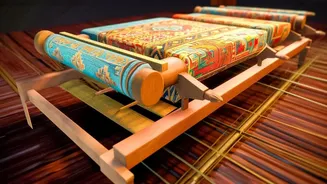
perfected the art of dyeing and weaving, creating fabrics known for their quality. This pre-existing ecosystem of cotton farming and skilled artisans laid a fertile ground for the industrial boom that was to come. During the Vijayanagar Empire, many cotton farmers and weavers migrated to the region, further strengthening its textile base. This deep-rooted tradition meant that when technology arrived, the human skill and raw materials were already in place.
The Dawn of the Mill Era
The industrial revolution in Coimbatore began in the late 19th century. The first major textile mill, the Coimbatore Spinning and Weaving Mills, was established in 1888 by Sir Robert Stanes. This marked a pivotal moment, shifting production from scattered handlooms to organised, large-scale manufacturing. The early 20th century saw a flurry of new mills, such as Kaleeswara Mills and Sri Ranga Vilas Mills, often founded by local agricultural and business pioneers. A major catalyst for this growth was the commissioning of the Pykara hydroelectric project in 1932, which provided abundant and reliable power, fuelling the rapid expansion of the textile industry. This combination of local entrepreneurship, available capital, and critical infrastructure set Coimbatore on its path to industrial dominance.
Earning the 'Manchester' Moniker
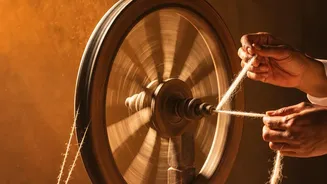
The nickname 'Manchester of South India' came from the striking parallels between Coimbatore and Manchester in the UK, the heart of the global textile industry during the Industrial Revolution. Like its English counterpart, Coimbatore's economy became overwhelmingly dominated by textile manufacturing, especially cotton spinning. The city developed a comprehensive industrial ecosystem, from cotton ginning and pressing to spinning yarn and weaving fabric. This concentration of textile activity created a self-sustaining cycle of growth. As more mills were established, an ancillary industry for repairing and eventually manufacturing textile machinery also took root, making Coimbatore a hub for both textiles and engineering.
A Complete Textile Ecosystem
What truly sets Coimbatore apart is its complete, vertically integrated textile ecosystem, a feature that persists to this day. The region hosts a vast number of small, medium, and large enterprises specializing in every stage of production: spinning, weaving, processing, and garment manufacturing. This density allows a garment to go from raw yarn to finished product within the same industrial belt, a rare efficiency that reduces transport costs and time. This cluster is not limited to Coimbatore alone; the neighbouring town of Tirupur has become one of Asia's largest hubs for knitwear and garment exports, creating a powerful textile corridor in western Tamil Nadu.
Modern Threads and Future Challenges
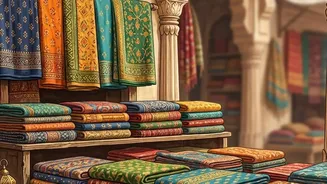
Today, Coimbatore remains a dominant force in India's textile industry. It is a major producer of cotton yarn, fabrics, and home furnishings, with a significant portion exported globally. The city is also home to prominent textile research institutions like the South Indian Textiles Research Association (SITRA), which drive innovation. However, the industry faces modern challenges, including intense global competition from countries like China and rising operational costs. In response, the focus is shifting towards modernisation, automation, and producing high-value products like technical textiles. Recent data from late 2026 shows a revival in apparel export orders, suggesting a positive turn, though challenges like labour availability remain.